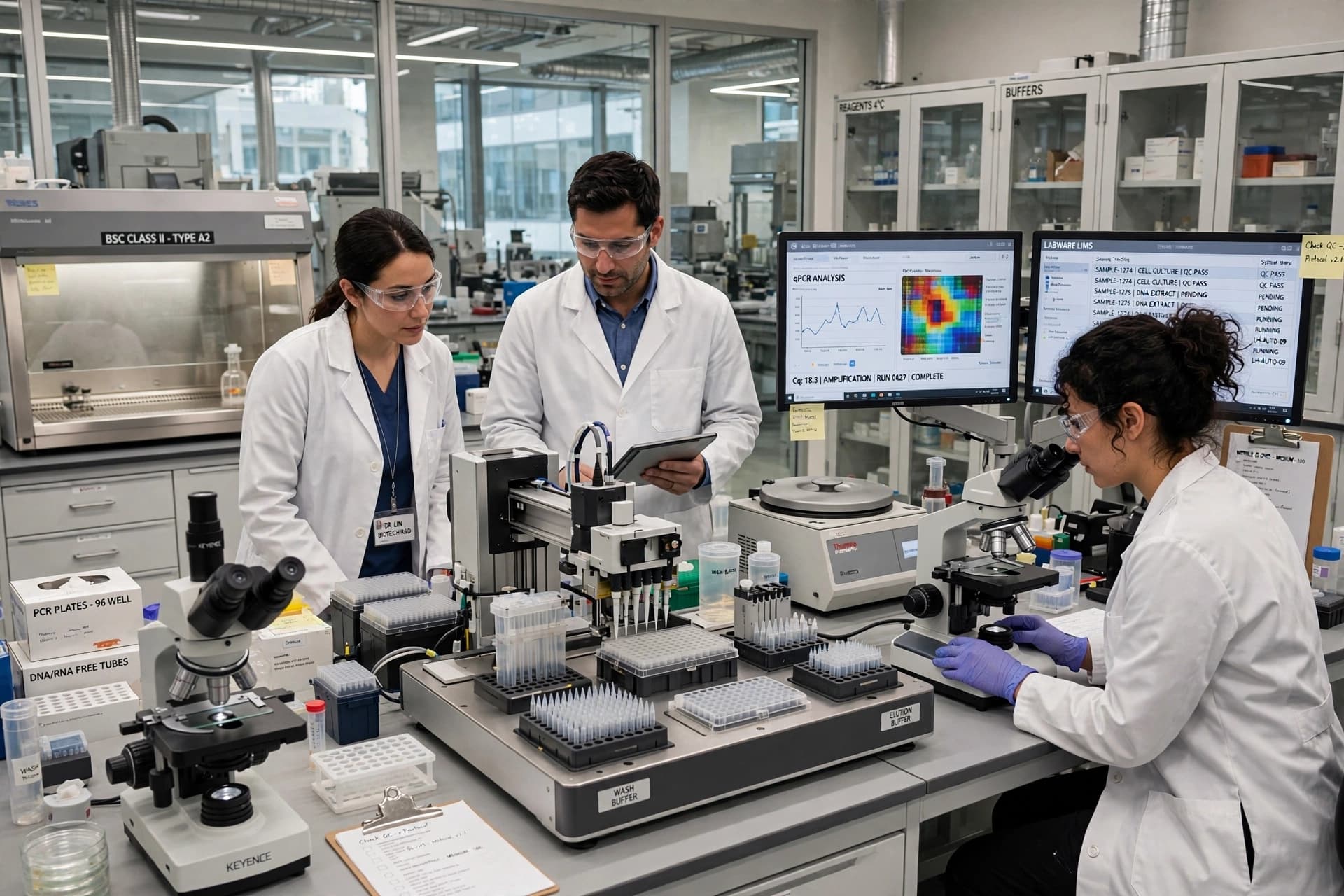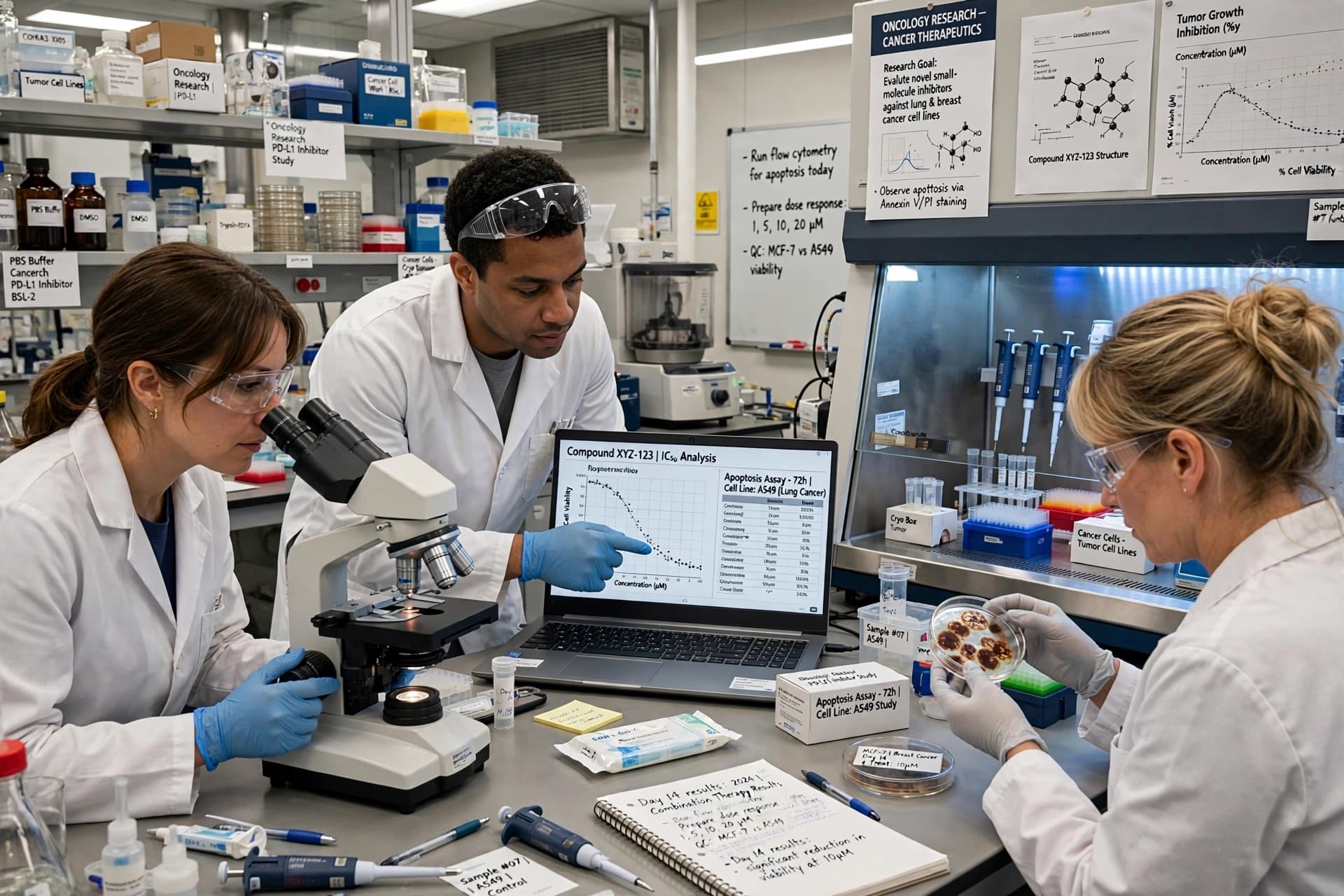
Some medical breakthroughs begin quietly, inside laboratories where researchers spend years studying cells, molecules and possible treatments. Only later do those efforts reach hospitals, where a scientific discovery becomes part of a patient's treatment options.
The U.S. Food and Drug Administration has approved a new drug combination from Eli Lilly for adults with advanced breast cancer that has metastasized, or spread to other parts of the body. Reuters reported the approval on September 18.
The approval adds another treatment option in oncology, a field where researchers continue developing therapies aimed at different forms and stages of cancer.
Advanced breast cancer can involve disease that has moved beyond the original site to other organs or tissues. Treatment in such cases often focuses on controlling the disease, slowing its progression and supporting patients over time.
Drug combinations can be designed to attack cancer through more than one biological pathway. The underlying approach depends on the specific medicines involved and the characteristics of the disease being treated.
The FDA approval represents an important regulatory step because it means the combination has passed the agency's review process for the specified use. However, approval does not mean that the treatment is appropriate for every patient.
Doctors consider factors such as the type of breast cancer, previous treatments, disease progression and the patient's individual circumstances when determining treatment options.
The development also illustrates the long path from laboratory research to clinical care. A potential medicine must move through research, testing and regulatory review before it can become available for a specific medical use.
For pharmaceutical companies, successful approvals can represent the culmination of years of investment. For researchers, each new treatment provides another opportunity to understand how cancer responds to different therapeutic strategies.
For patients and families, however, the meaning is more immediate. A newly approved treatment can add another possibility to discussions that previously had fewer options.
Cancer treatment continues to evolve as researchers study the biological differences between tumors and develop medicines designed around those differences. The process is gradual, built through many individual discoveries rather than one single moment.
The latest FDA approval therefore becomes another entry in the continuing development of breast cancer care, bringing a new treatment combination from the pharmaceutical research process into the clinical setting.
IMAGE DISCLAIMER
The visuals were generated using AI and are conceptual representations of cancer research, pharmaceutical development and clinical treatment environments.
SOURCES
Reuters U.S. Food and Drug Administration Eli Lilly
Published by Banx Network. This article is part of the Banx decentralized media programme, powered by the BXE token on the XRP Ledger.