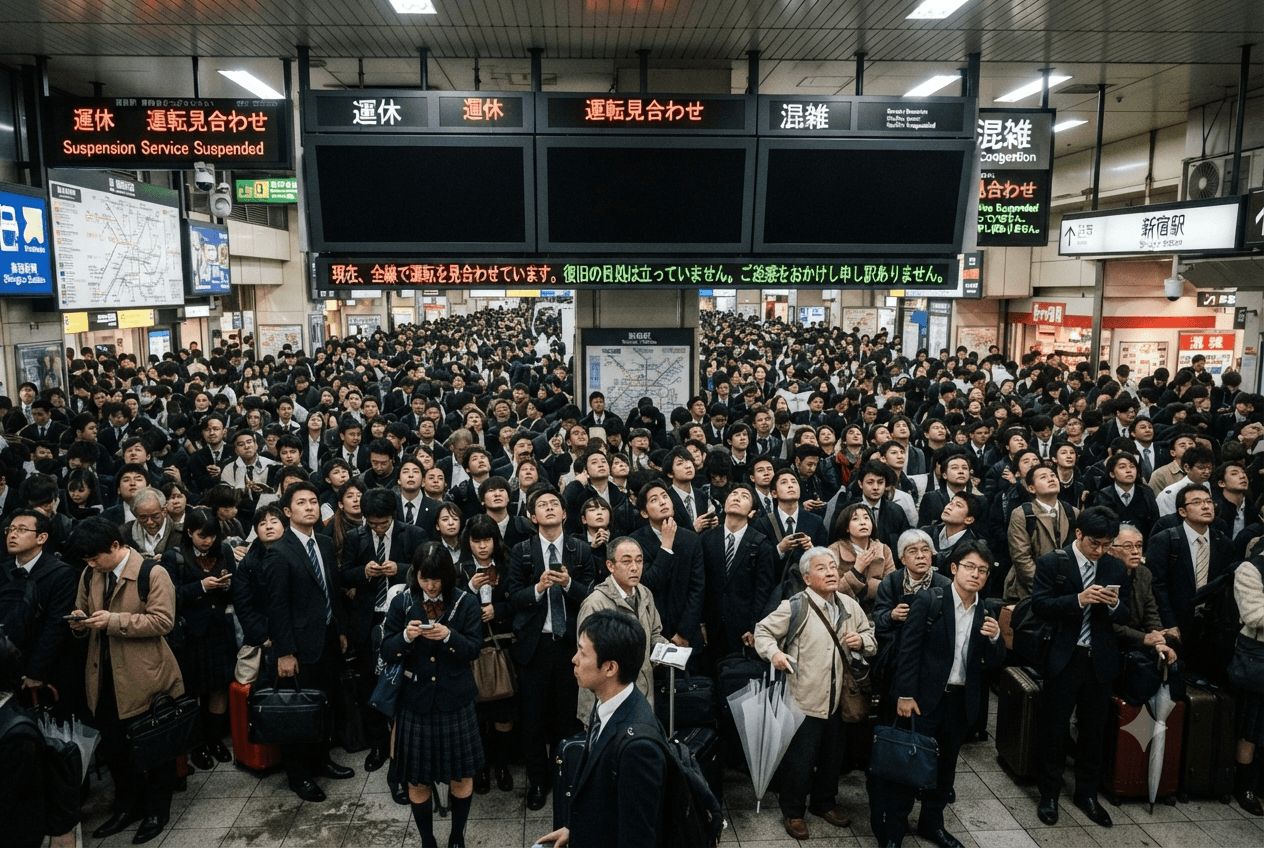
Tokyo, Japan—The central digital dispatch board went completely blank at the height of the morning rush, freezing hundreds of express trains on open tracks. Automated safety interlocks engaged instantly, cutting tractive power to prevent multiple trains from occupying the same block. Millions of commuters poured off platforms and back into station concourses, overwhelming the automated ticket gates. Station attendants struggled to hand out delayed-certificate slips to angry crowds pushing against the barrier lines.
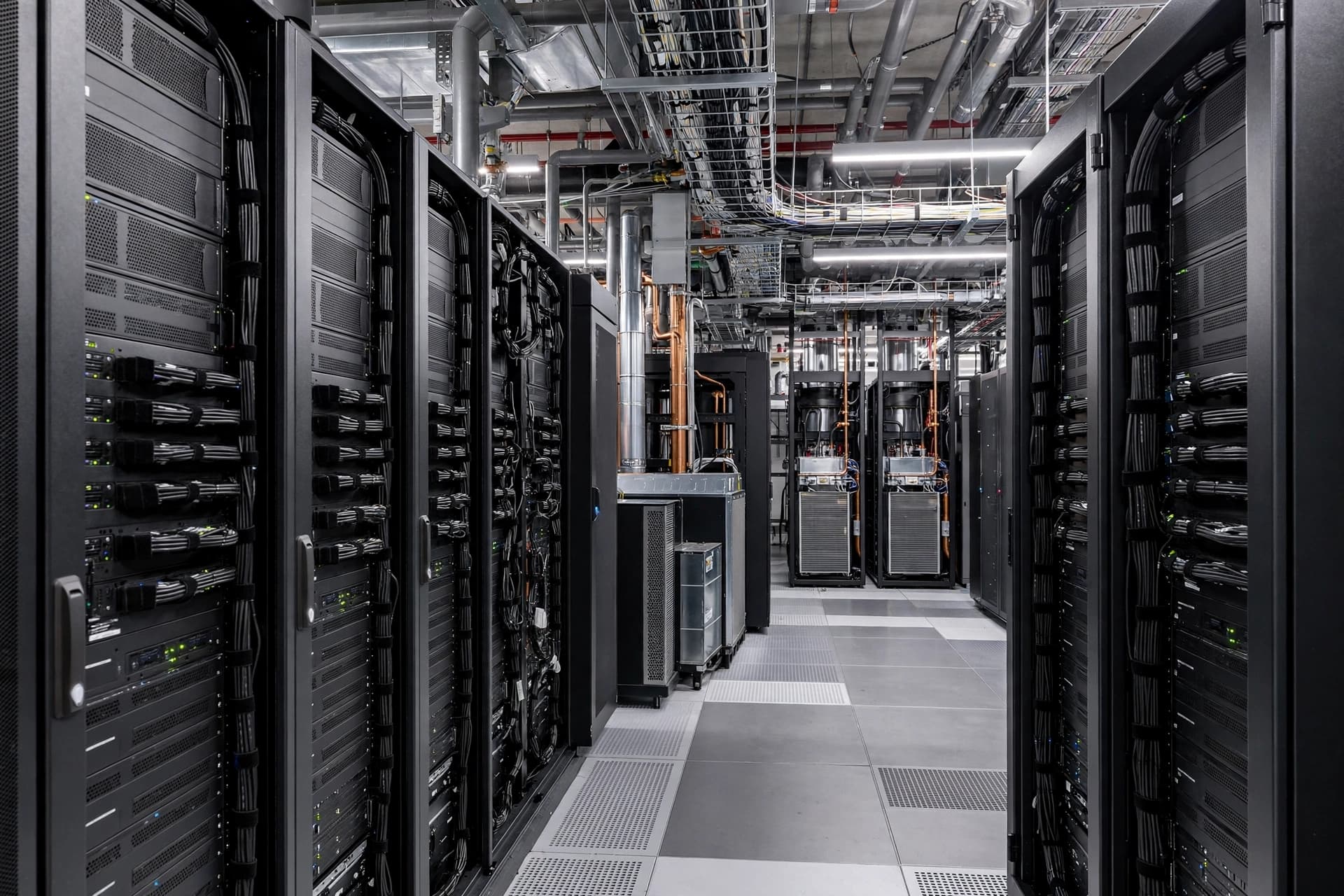
Railway engineers rushed to the primary server rooms beneath the main terminal to reboot the frozen central mainframes. Diagnostic screens flashed repeating memory error codes that defied standard manual override procedures. Technicians attempted to switch over to the secondary redundant network, but that system refused to synchronize with regional transponders. Operations directors ordered a total halt on all incoming and outgoing regional services to avert a collision disaster.
Platforms filled to dangerous capacities as incoming crowds from connecting subway lines added to the human bottleneck. Security personnel formed human chains at the top of escalators to prevent travelers from tumbling onto the crowded tracks below. Convenience stores inside the terminal buildings sold out of bottled water and light snacks within forty-five minutes. Commuters sat on their luggage against marble pillars, staring at dark departure boards that offered no estimated resumption time.
Company executives bowed deeply during an impromptu televised apology, taking full responsibility for the unprecedented network failure. Corporate spokespersons confirmed that a routine firmware update deployed overnight corrupted the core routing database. Independent transport analysts noted that the core software architecture dated back nearly two decades without major overhaul. Union representatives criticized management for cutting staffing levels at regional control desks to save operational costs.
Surface taxi stands outside the station filled up instantly, commanding lines stretching around multiple city blocks. Ride-sharing apps crashed simultaneously as surging user demand overwhelmed local server nodes. Bicyclists clogged nearby arterial roads as desperate office workers abandoned public transit entirely to pedal toward their destinations. Municipal traffic police adjusted signal timings manually to cope with the sudden influx of surface commuters.
Portions of the affected lines resumed manual crawl-speed operations by late morning under direct radio orders from station masters. Trains crept past junction points at five miles per hour, monitored by trackside spotters waving green flags. Thousands of passengers remained stranded inside unventilated carriages parked between stations for over two hours. Emergency medical teams treated several passengers for heat exhaustion and panic attacks inside the cramped compartments.
Corporate offices across the downtown core instituted emergency work-from-home protocols for stranded staff members. Conference rooms sat empty as executives realized physical attendance was impossible for the majority of their workforce. Stock exchange traders dialed in from remote home setups as key personnel missed the opening bell. The economic impact of the morning standstill rippled across the broader metropolitan service economy.
Engineers finally isolated the corrupted subroutine and restored the primary database link late in the afternoon. Test trains rolled through the central corridor at reduced speeds to verify track sensor calibration. Transit authorities warned that residual delays would persist well into the evening commute as schedules compressed. Exhausted passengers formed orderly queues once more, bracing for a slow journey home under lingering system restrictions.
Published by Banx Network. This article is part of the Banx decentralized media programme, powered by the BXE token on the XRP Ledger.