
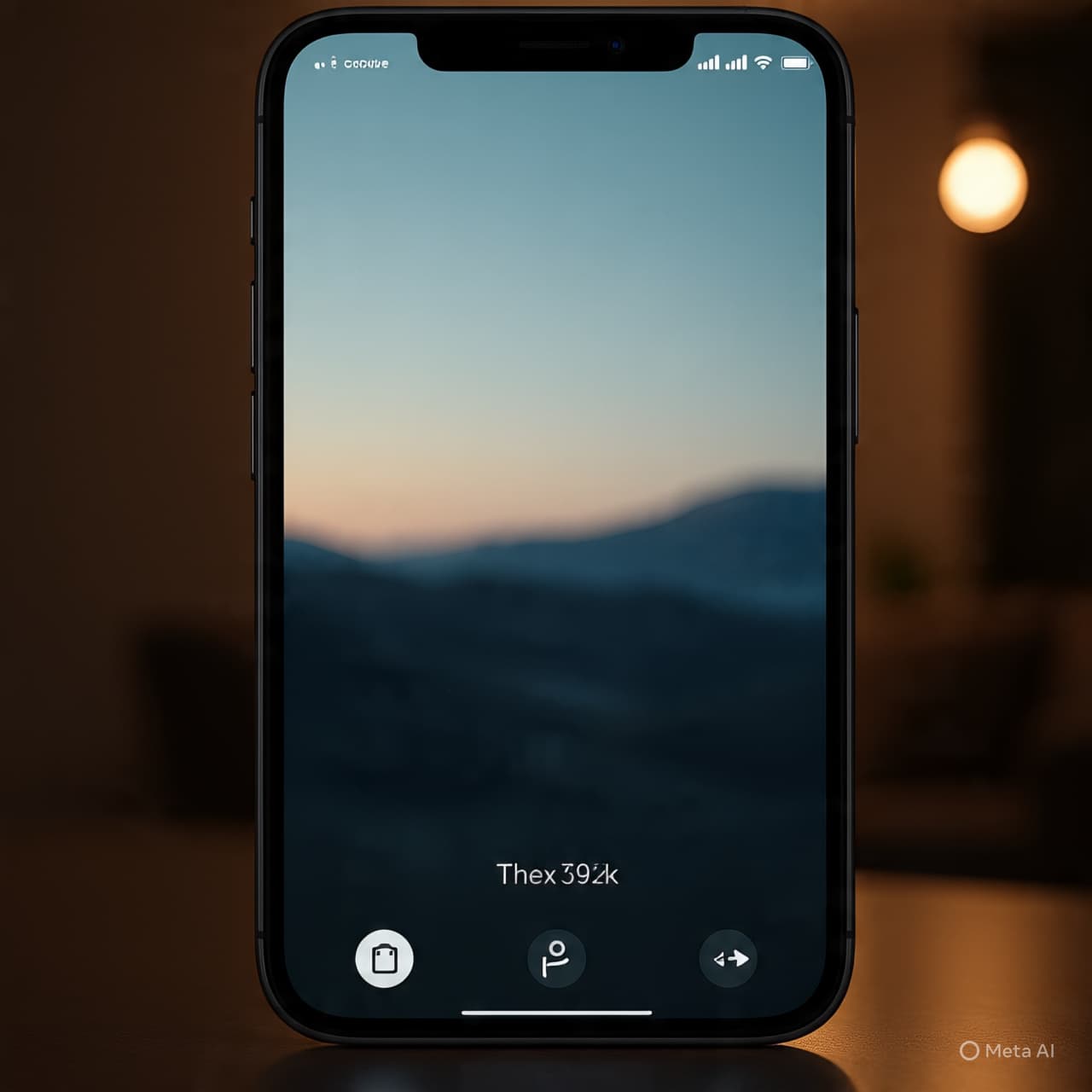
Software updates rarely arrive with ceremony. They slip into phones overnight, announced by a small notification and accepted with a tap, carrying the promise of quiet improvements. By morning, most people expect nothing more than continuity. Recently, for some iPhone users, that expectation has not been met.
Apple’s iOS 26.2.1 update has been linked to a wave of issues affecting a portion of devices. Reports describe phones freezing mid-use, applications crashing without warning, and batteries draining faster than habit would suggest. The problems do not appear universal, but their presence has been disruptive enough to interrupt daily routines built around reliability.
Battery behavior has drawn particular attention. Devices that once lasted a full day now falter by afternoon, warmth lingering beneath screens during idle moments. For users accustomed to invisible efficiency, this sudden fragility feels jarring. Power, once taken for granted, becomes something to monitor again.
Freezes and crashes add another layer of unease. A screen that stops responding breaks the illusion of fluid design, reminding users that even polished systems rest on complex, fragile layers. The experience is less about total failure than repeated interruption, small pauses that accumulate into frustration.
Apple has not publicly attributed the issues to a single cause. As with many updates, the interaction between new software and older hardware, background processes, and third-party apps complicates diagnosis. What works seamlessly on one device can behave unpredictably on another, revealing the uneven terrain beneath uniform design.
Moments like this expose the quiet dependency modern life has on stable software. Phones are no longer occasional tools but constant companions—wallets, calendars, navigators, and conversations folded into glass. When they falter, the disruption feels personal, not technical.
For now, affected users wait, adjusting settings, closing apps, or carrying chargers more often. Updates promise resolution, but patience becomes part of the experience. In the meantime, iOS 26.2.1 stands as a reminder that progress sometimes arrives unevenly, and that even in a mature ecosystem, stability remains something that must be continually rebuilt.
AI Image Disclaimer Visuals are AI-generated and serve as conceptual representations.
Sources Apple software release documentation User device performance reports Mobile operating system analysis publications
Published by Banx Network. This article is part of the Banx decentralized media programme, powered by the BXE token on the XRP Ledger.


.jpg&w=3840&q=75 "The Artemis Revolution: How NASA Plans to Build Humanity's Future on the Moon")