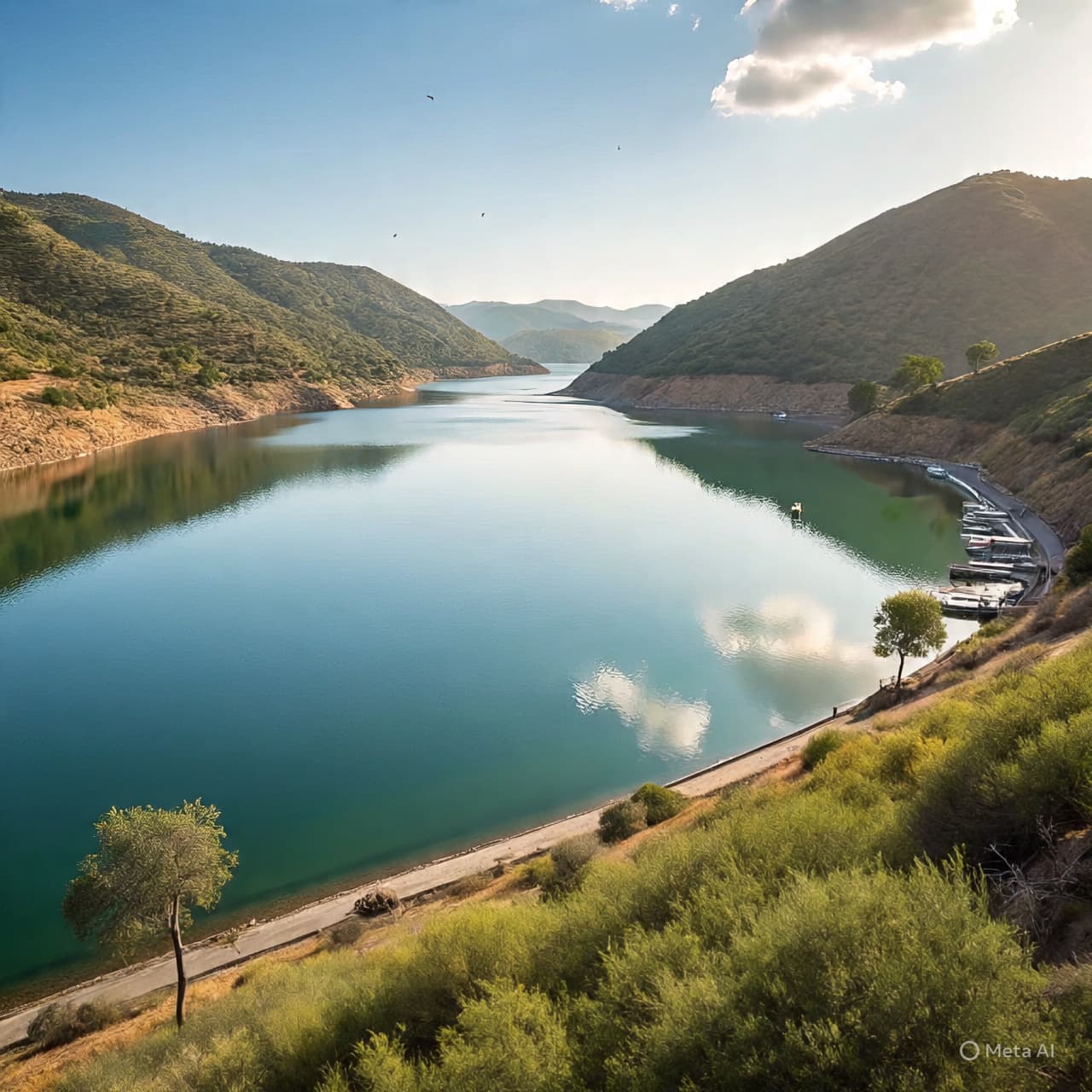
In the golden expanse of California, where rivers once traced silver ribbons through the sunbaked land, something unexpected has emerged: a quiet restraint. Residents, businesses, and communities have been using far less water than suppliers predicted, a subtle testament to adaptation, mindfulness, and the slow rhythms of human behavior meeting natural limits.
The difference between estimation and reality is more than numbers on a chart. It reflects a collective negotiation with scarcity, an acknowledgment of climate’s shifting pulse, and the rhythms of drought that have punctuated California’s history. Homes drip with careful conservation, lawns shrink, and sprinklers pause, creating a muted choreography of restraint across valleys and cities alike.
This restraint has consequences, practical and philosophical. Reservoirs fill more slowly, yet the need for stringent rationing diminishes. Utilities may face recalibrations, budgets and infrastructure plans adjusted to accommodate human behavior that, for once, has outpaced expectation. On a broader scale, the state glimpses the possibility of balance: a society learning to align desire and resource, ambition and limitation, human life and environmental reality.
Yet the story is not one of complacency. The climate remains capricious, and years of overuse and drought linger in memory and ecosystem alike. Conservation, even when exceeding forecasts, must be maintained, tempered with foresight and resilience. The lesson may be less about the numbers themselves than about the potential of collective action, subtle choices rippling outward to shape a state’s capacity to endure.
In the quiet reduction of taps, in the careful calculation of daily use, California demonstrates the power of human adaptation. It is a reminder that even in vast systems — rivers, cities, economies — small adjustments, mindful acts, and awareness can ripple outward, changing the trajectory of a landscape both literal and metaphorical. The state’s future may depend as much on these quiet decisions as on policy, rainfall, or the inexorable passage of seasons.
AI Image Disclaimer Illustrations were created using AI tools and are not real photographs.
Sources California Department of Water Resources State water utilities reports News outlets covering drought and conservation
Published by Banx Network. This article is part of the Banx decentralized media programme, powered by the BXE token on the XRP Ledger.