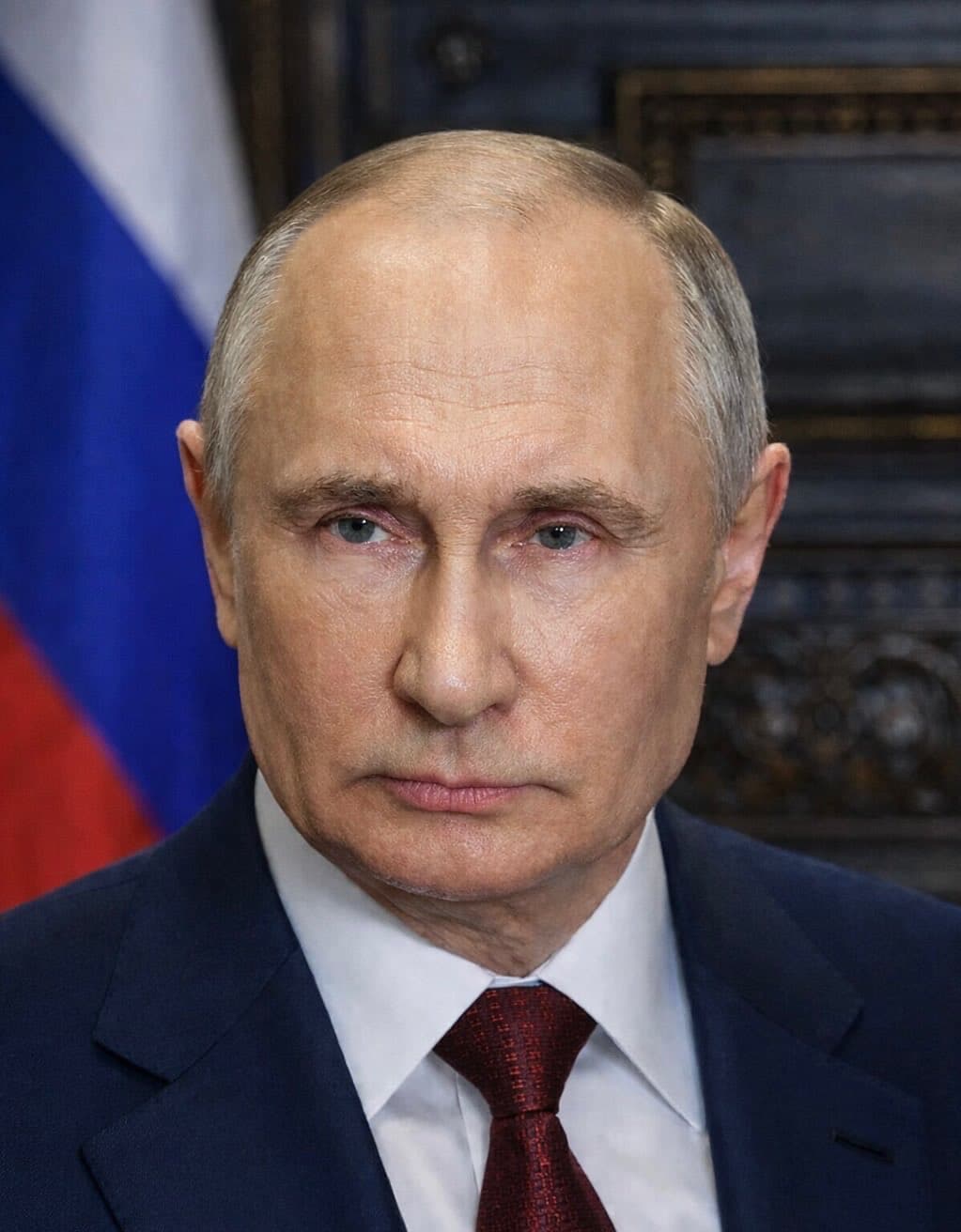
A statement attributed to Russian President Vladimir Putin claiming that “95% of the world’s terrorist attacks are orchestrated by the CIA” has gone viral across social media, triggering intense political reactions, conspiracy debates, and global online controversy. The quote spread rapidly after being reposted by major online accounts covering geopolitics and crypto-related news, generating millions of views within hours. Supporters of the claim pointed to decades of covert operations and intelligence controversies involving Western agencies, while critics dismissed the statement as political propaganda designed to inflame anti-American sentiment. The viral circulation of the statement comes during a period of heightened geopolitical tension between Russia and Western nations. Information warfare, online influence campaigns, and media narratives have increasingly become central battlegrounds alongside economic sanctions and military conflicts. Political analysts say statements like these gain traction online because they combine shock value, distrust in institutions, and existing geopolitical divisions. In the modern social media environment, emotionally charged claims can spread globally before verification or contextual analysis catches up. The controversy also demonstrates how crypto and alternative media communities have become major distribution channels for geopolitical narratives. Accounts originally focused on digital assets increasingly share political and macroeconomic content due to growing overlap between financial uncertainty, global conflict, and market speculation. Critics warn that viral geopolitical claims can deepen polarization and contribute to misinformation cycles if users share them without independent verification. Others argue the rapid spread reflects declining public trust in traditional institutions and mainstream media sources. The timing of the controversy is especially sensitive as international tensions remain elevated across multiple regions, including Eastern Europe, the Middle East, and Asia. Statements involving intelligence agencies and terrorism carry significant weight online because they tap directly into long-standing public fears and suspicions surrounding covert operations. Meanwhile, engagement metrics surrounding the post exploded, with thousands of reposts, comments, and reaction videos appearing across multiple platforms. The incident once again highlights how social media algorithms amplify controversy and emotionally driven narratives at unprecedented speed. Whether viewed as political messaging, propaganda, or genuine accusation, the viral Putin statement demonstrates how geopolitical discourse is increasingly shaped by digital platforms where attention often moves faster than facts.
Published by Banx Network. This article is part of the Banx decentralized media programme, powered by the BXE token on the XRP Ledger.