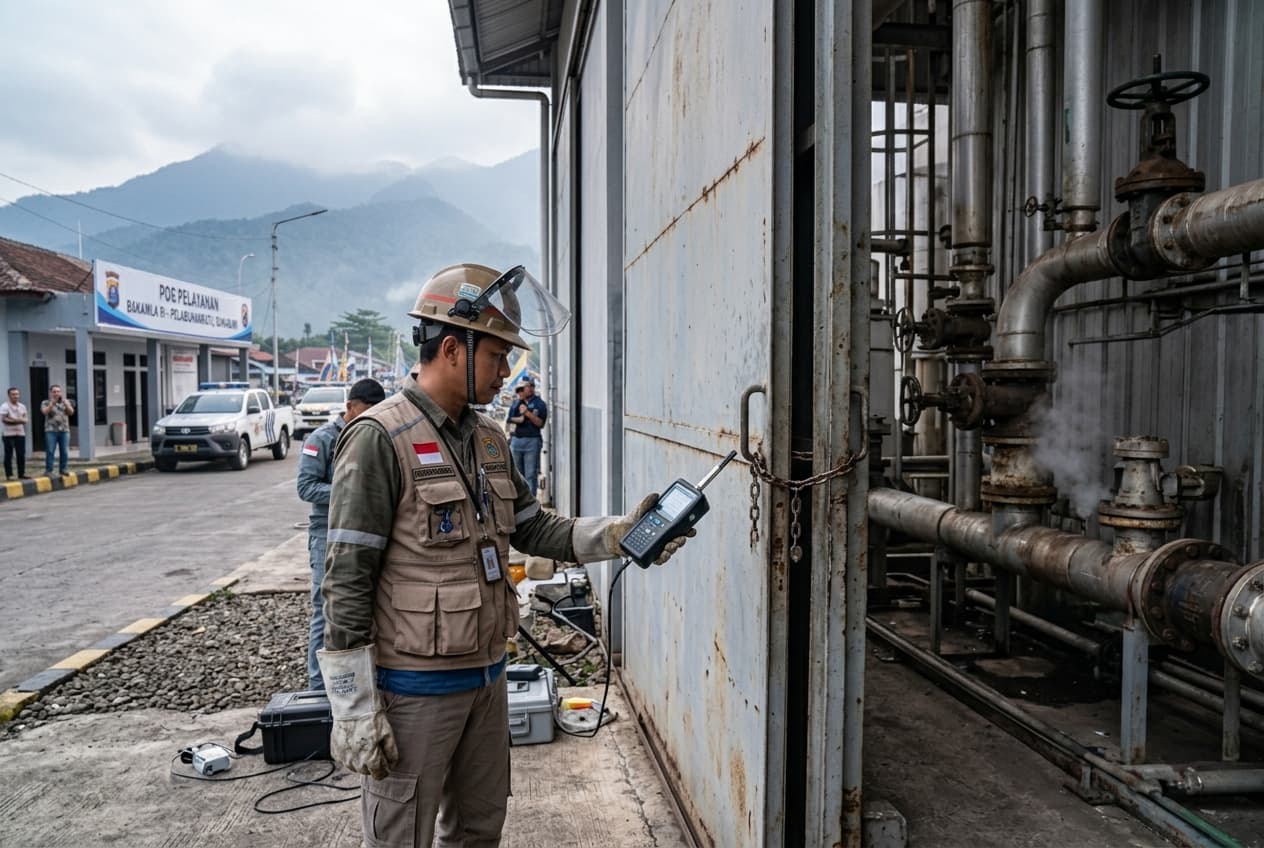
Public health systems are often most visible during moments of challenge. Like a lighthouse guiding ships through changing weather, they are designed to monitor risks, provide information, and coordinate responses when threats emerge. The continuing presence of infectious disease outbreaks around the world is providing a renewed test of those capabilities.
Health experts note that infectious disease threats remain a persistent feature of modern society. Global travel, urbanization, environmental changes, and evolving pathogens all contribute to conditions that can influence how diseases emerge and spread.
Recent years have highlighted the importance of surveillance systems capable of detecting outbreaks quickly. Laboratories, healthcare providers, epidemiologists, and public health agencies work together to identify unusual patterns and respond before localized incidents become larger public health concerns.
Vaccination programs continue to play a central role in disease prevention. Public health authorities regularly emphasize the importance of maintaining immunization coverage against diseases such as measles, influenza, and other preventable infections that can reappear when protection levels decline.
At the same time, researchers are monitoring new and emerging pathogens. Advances in genomic sequencing and laboratory science have improved the ability to identify infectious agents and track their movement across populations.
The effectiveness of public health responses often depends on coordination between local, national, and international institutions. Information sharing, scientific collaboration, and consistent communication can help authorities respond more effectively during periods of uncertainty.
Public trust also remains a critical component of disease control. Clear guidance, transparent reporting, and timely updates can encourage communities to follow recommended health measures when necessary.
Experts emphasize that preparedness is not limited to emergency response. Investments in healthcare infrastructure, workforce training, research, and disease monitoring help strengthen resilience before outbreaks occur.
As infectious disease threats continue to evolve, public health systems around the world are adapting to meet new challenges. Ongoing vigilance, scientific research, and cooperation remain essential tools for protecting population health.
AI Image Disclaimer: Visual content accompanying this article may include AI-generated illustrations intended to support educational understanding.
Source Verification Check: World Health Organization, CDC, The Lancet, Nature Medicine, Reuters
Published by Banx Network. This article is part of the Banx decentralized media programme, powered by the BXE token on the XRP Ledger.