In the microscopic world that surrounds and inhabits us, there are organisms that thrive in silence until they find a vulnerable host. Candida auris, a drug-resistant fungus once confined to distant shores, has now taken root in healthcare facilities across twenty-three U.S. states. According to recent data from the Centers for Disease Control and Prevention (CDC), this "superbug" is no longer a rare anomaly but a growing public health concern. Its spread serves as a quiet alarm, reminding us of the persistent challenges posed by antimicrobial resistance in modern medicine.
Candida auris is particularly dangerous because it often affects individuals who are already seriously ill or have weakened immune systems. Unlike common fungal infections, it can resist multiple classes of antifungal medications, making treatment difficult and sometimes impossible. The fungus spreads easily in healthcare settings, clinging to surfaces and equipment, which allows it to move from patient to patient if strict infection control measures are not followed. This resilience makes it a formidable adversary for hospitals and nursing homes.
The rise in cases has been steady and concerning. In 2024, over 6,000 clinical cases were reported, and by mid-2026, that number had climbed significantly, with Texas reporting more than 700 cases alone. The geographic expansion indicates that the fungus is not contained to specific regions but is becoming a national issue. For healthcare providers, this means heightened vigilance is required, from routine screening to rigorous sterilization protocols.
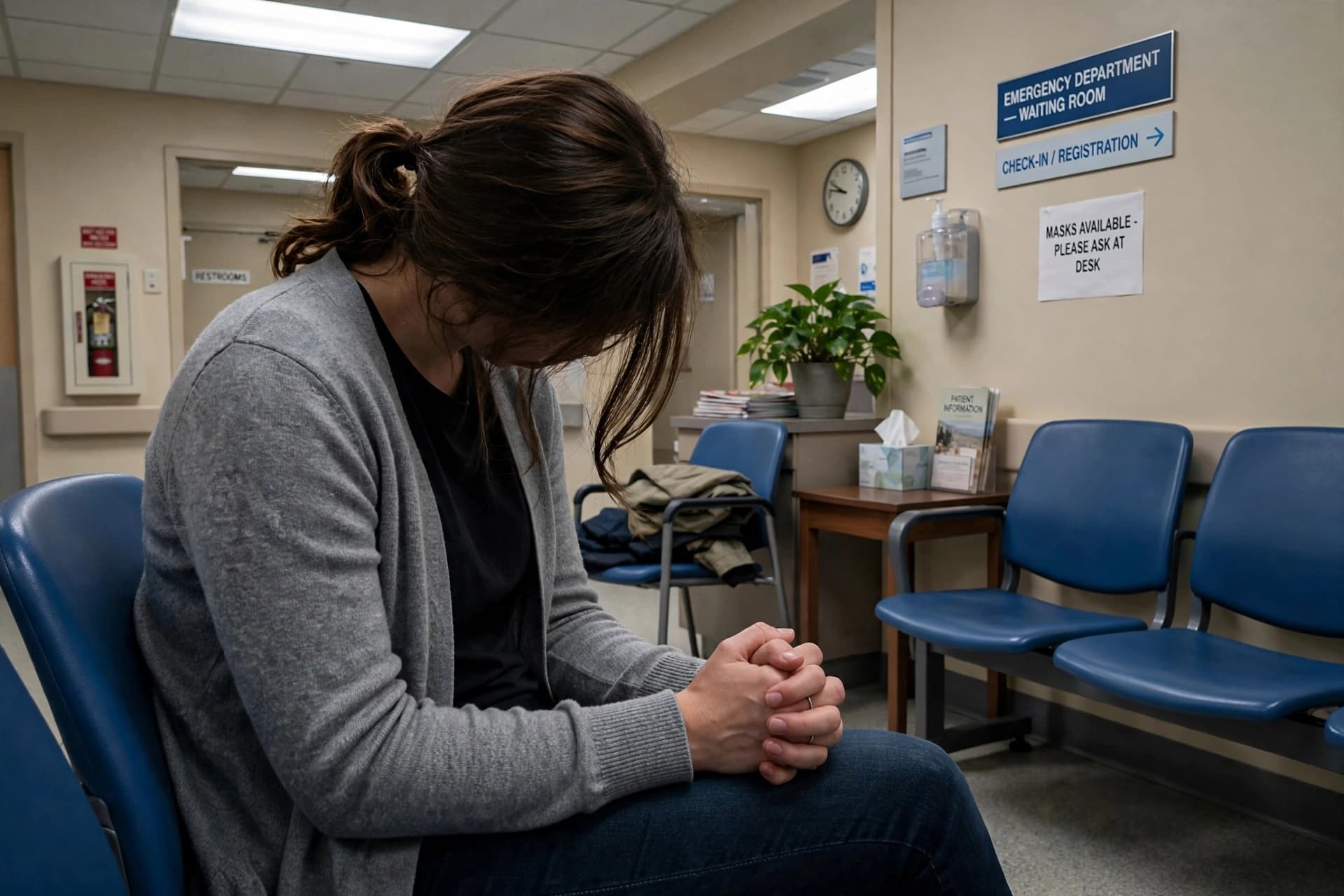
For patients and their families, the news can be unsettling. However, experts emphasize that C. auris primarily poses a risk to those with serious underlying medical conditions, such as cancer, diabetes, or those requiring invasive devices like ventilators or catheters. Healthy individuals are at very low risk. Understanding who is vulnerable helps contextualize the threat, allowing for targeted protection rather than widespread panic.
Prevention remains the most effective tool against this silent spread. Hospitals are implementing enhanced cleaning procedures, using specialized disinfectants that can kill the resilient spores. Isolation precautions for colonized or infected patients are also critical, ensuring that the fungus does not jump to others. These measures, while resource-intensive, are essential for maintaining safe care environments.
Research into new treatments is ongoing, as current options are limited. Scientists are working to develop novel antifungals and better diagnostic tools to identify the fungus quickly. Until then, the focus remains on containment and care. The medical community’s response highlights the importance of global cooperation in tracking and managing emerging infectious threats.
The detection of Candida auris in 23 states is a significant development in public health. It underscores the need for continued investment in infection prevention and antimicrobial research. By staying informed and adhering to safety protocols, healthcare systems can protect the most vulnerable among us from this stealthy pathogen.
AI Image Disclaimer: The visual elements accompanying this report are AI-generated interpretations designed to reflect the medical and scientific context of the story.
Sources: The Hill CDC People Magazine
Published by Banx Network. This article is part of the Banx decentralized media programme, powered by the BXE token on the XRP Ledger.