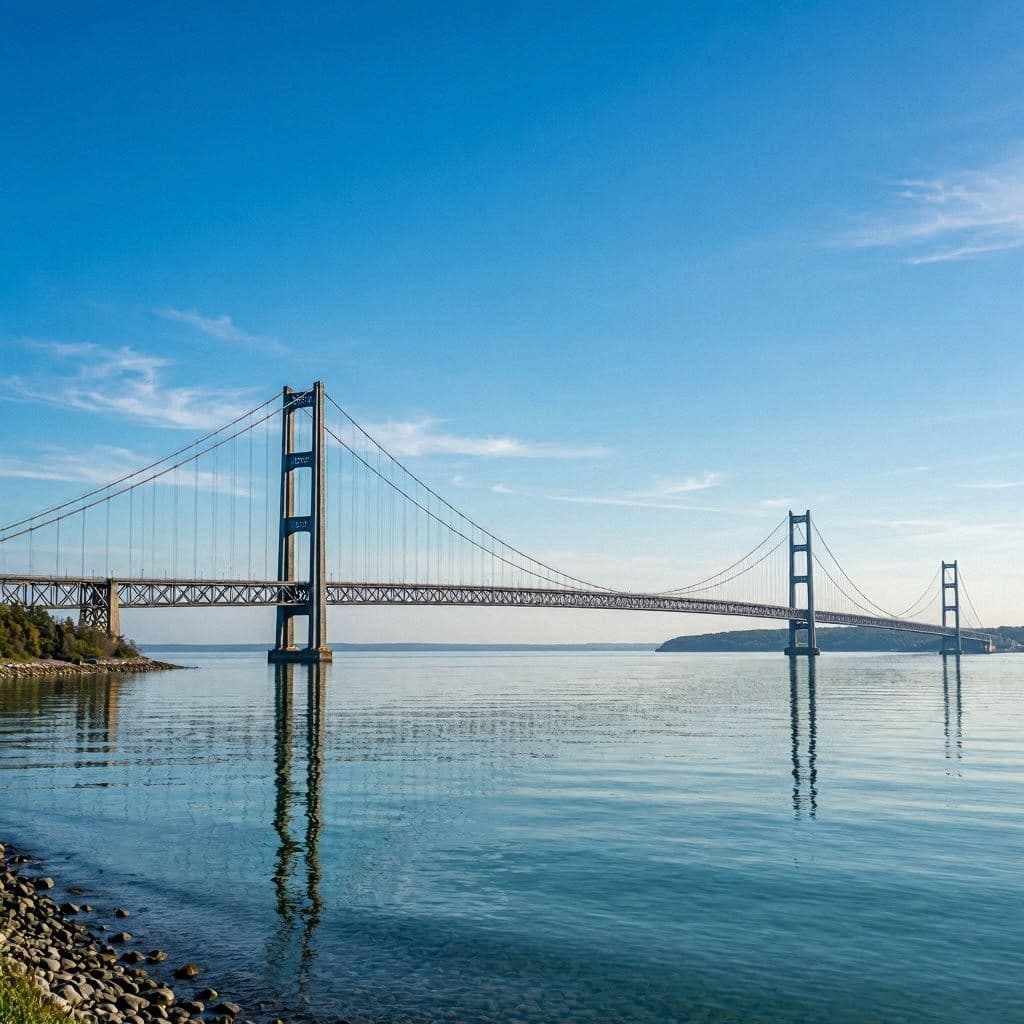
Water is the lifeblood of the Great Lakes region, a vast freshwater resource that sustains millions of lives and ecosystems. In a landmark decision, the Michigan Supreme Court has rejected a permit for Enbridge Energy to continue operating its Line 5 oil pipeline beneath the Straits of Mackinac. This ruling marks a pivotal moment in the long-standing debate over energy infrastructure and environmental protection, prioritizing the safety of the lakes over corporate interests.
The court’s decision hinges on the finding that Enbridge did not have the necessary legal authority to operate the pipeline in the bottomlands of the Straits. The justices ruled that the company’s easement had expired and that the state had not granted a new one that met current regulatory standards. This legal victory for environmental advocates and tribal nations underscores the importance of adhering to strict permitting processes for projects that pose significant ecological risks.
Line 5 has been a source of contention for years, with critics arguing that an aging pipeline carrying crude oil and natural gas liquids through a sensitive waterway is a disaster waiting to happen. Proponents, including Enbridge and some labor unions, argue that the pipeline is essential for regional energy supply and economic stability. They contend that shutting it down would lead to higher fuel prices and job losses in the Midwest.
The reaction to the ruling has been mixed. Environmental groups celebrate the decision as a triumph for conservation and indigenous rights, noting the vital role played by tribal leaders in the legal battle. They view the pipeline as a symbol of outdated energy practices that threaten the purity of the Great Lakes. For them, the court’s stance is a validation of their longstanding concerns.
Conversely, industry representatives express concern about the potential economic fallout. They argue that the decision creates uncertainty for energy infrastructure projects and could deter future investment in the state. Enbridge has indicated it will explore all legal options, including appeals to federal courts, suggesting that the battle is far from over. The company emphasizes its commitment to safe operations and regional energy security.
Political leaders in Michigan are divided along party lines, with Democrats praising the court’s protection of natural resources and Republicans criticizing the decision as harmful to the economy. Governor Gretchen Whitmer has supported the removal of the pipeline, aligning with her administration’s broader environmental goals. The political discourse reflects the broader national tension between energy independence and climate action.
The immediate next steps involve determining how and when the pipeline will be decommissioned or replaced. State agencies are working on plans to ensure a smooth transition that minimizes disruption to energy supplies. Alternatives, such as rerouting the pipeline around the lakes, are being discussed, though these proposals face their own regulatory and logistical hurdles.
The Michigan Supreme Court’s rejection of the Enbridge permit is a significant chapter in the story of the Great Lakes. It highlights the complex balance between economic needs and environmental stewardship, setting a precedent that may influence similar cases across the country.
AI Image Disclaimer: Please note that the images in this piece are AI-generated illustrations created to depict the themes of legal decisions and environmental protection.
Sources: Detroit Free Press, MLive, Associated Press, Reuters
Published by Banx Network. This article is part of the Banx decentralized media programme, powered by the BXE token on the XRP Ledger.


.jpg&w=3840&q=75 "Sally Rooney’s Books to Be Withdrawn From UK Sale Over Palestine Action Support")