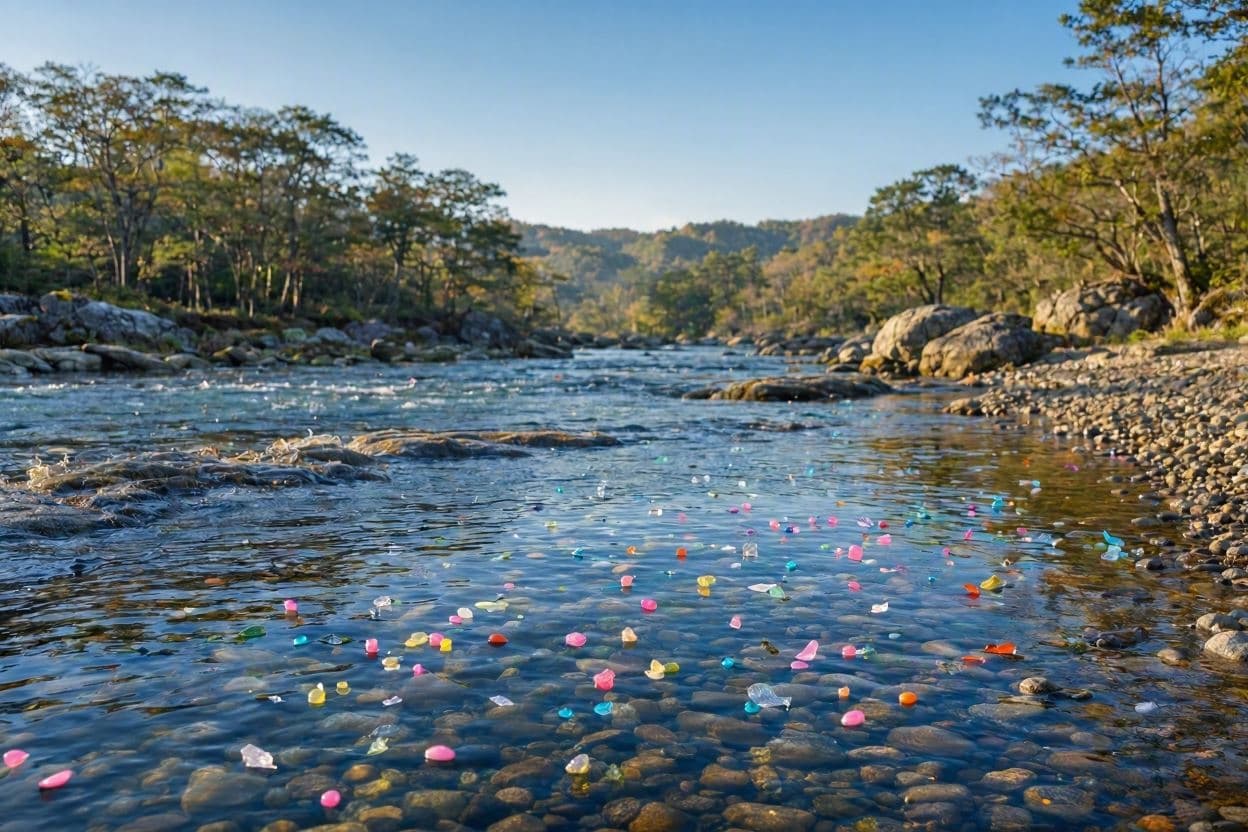
Rivers are the arteries of our planet, carrying life-sustaining water from mountains to seas. They are symbols of purity and continuity, yet increasingly, they carry burdens invisible to the naked eye. The Fraser River, a vital waterway in British Columbia, is now the subject of a new study aimed at detecting microplastics. This initiative is not just about measuring pollution; it is about understanding the extent to which synthetic materials have permeated our natural systems. It invites us to reflect on the legacy of our consumption and the silent impact it has on the ecosystems we depend on.
Microplastics, tiny fragments of plastic less than five millimeters in size, have become a ubiquitous pollutant in aquatic environments. They originate from various sources, including the breakdown of larger plastic debris, synthetic fibers from clothing, and microbeads from personal care products. Once in the water, they can be ingested by wildlife, entering the food chain and potentially affecting human health. The Fraser River, being a major salmon-bearing river, is particularly sensitive to such contaminants, making this study crucial for both ecological and economic reasons.
The study involves collecting water and sediment samples from various points along the river, from its headwaters to its mouth. Researchers will use advanced filtration and spectroscopy techniques to identify and quantify the types and concentrations of microplastics present. This comprehensive approach will provide a baseline dataset, allowing scientists to track changes over time and identify hotspots of pollution. It is a meticulous process that requires precision and patience.
Understanding the source of these plastics is key to addressing the problem. Are they coming from urban runoff, industrial discharge, or atmospheric deposition? By mapping the distribution of microplastics, the study can help pinpoint major contributors and inform policy decisions. This evidence-based approach is essential for developing effective mitigation strategies, such as improved waste management systems or regulations on single-use plastics.
The impact on wildlife, particularly salmon, is a primary concern. Salmon are a keystone species in the Pacific Northwest, supporting not only the ecosystem but also Indigenous cultures and commercial fisheries. If microplastics affect their health or reproduction, the consequences could ripple through the entire region. The study aims to assess these risks, providing data that can guide conservation efforts and protect this vital resource.
Community involvement is also a significant aspect of the project. Local volunteers and Indigenous groups are participating in sample collection, fostering a sense of ownership and stewardship. This collaborative model ensures that the research is grounded in local knowledge and concerns. It empowers communities to take action and advocate for cleaner waterways, strengthening the bond between people and the environment.
The findings will also contribute to the global understanding of microplastic pollution. Data from the Fraser River can be compared with studies from other rivers worldwide, helping to build a comprehensive picture of this global challenge. It highlights the interconnectedness of local actions and global impacts, reminding us that pollution knows no borders. Sharing knowledge is a critical step toward collective solutions.
As the study progresses, it will raise awareness about the hidden costs of plastic convenience. It encourages individuals and businesses to reconsider their habits and seek sustainable alternatives. By bringing the issue of microplastics into the public consciousness, the study serves as a catalyst for change. It transforms an invisible threat into a visible priority, urging us to act with greater responsibility.
The launch of the microplastics study in the Fraser River is a vital step toward understanding and addressing water pollution. It highlights the need for sustainable practices and community engagement. Let this effort inspire cleaner waters for all.
AI Image Disclaimer: Please be aware that images used in this context are AI-generated visualizations for illustrative purposes.
Sources: CBC News The Globe and Mail University of British Columbia
Published by Banx Network. This article is part of the Banx decentralized media programme, powered by the BXE token on the XRP Ledger.