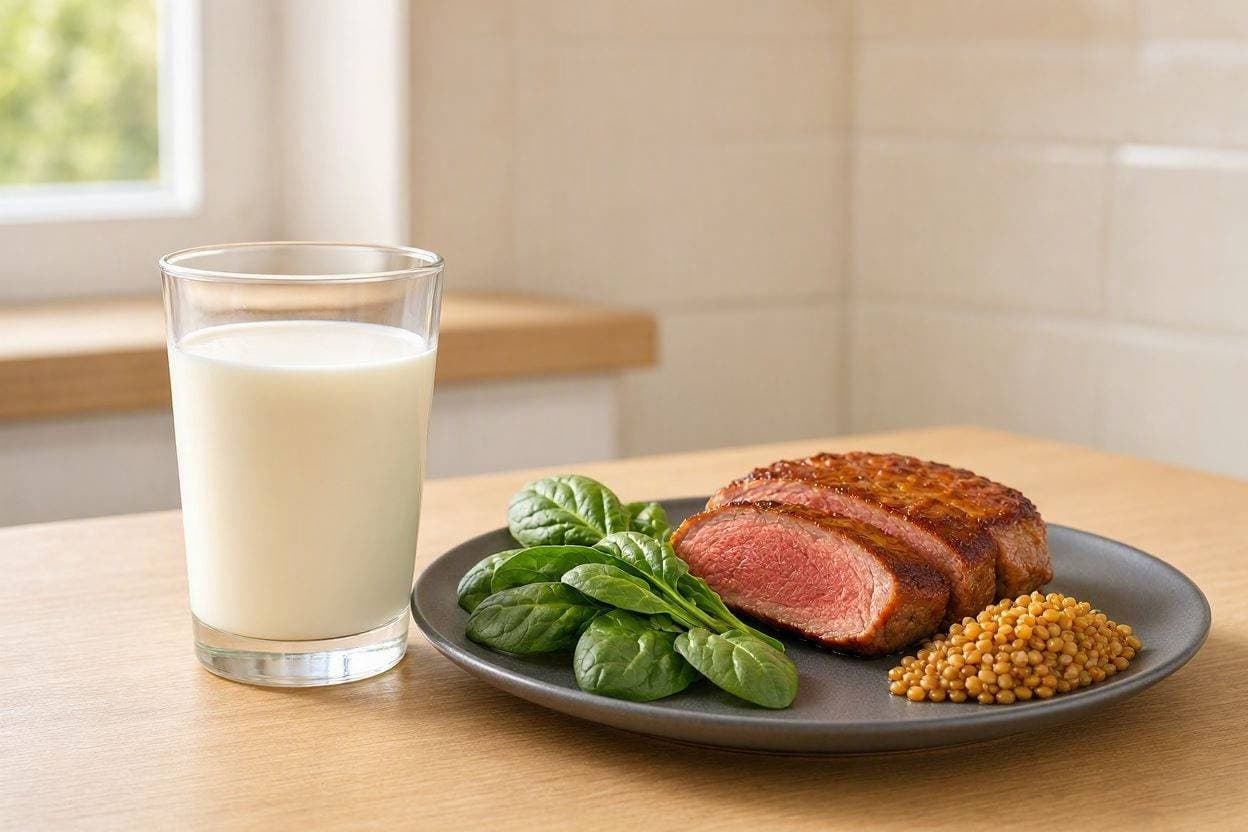
Milk has long been celebrated as a cornerstone of childhood nutrition, a white elixir believed to build strong bones and healthy bodies. Yet, beneath this wholesome image lies a complex nutritional reality that parents must navigate with care. In a sobering revelation, health authorities have linked excessive cow’s milk consumption to the tragic deaths of three toddlers over the past two years. These cases highlight a condition known as milk anemia, where an overreliance on dairy displaces iron-rich foods, leading to severe deficiencies. It is a gentle but urgent reminder that even the most natural foods can pose risks when consumed without balance, urging families to look beyond tradition to science.
The mechanism behind this danger is straightforward yet often overlooked. Toddlers have small stomachs, and filling them with large volumes of milk leaves little room for solid foods rich in iron, such as meat, leafy greens, and legumes. Furthermore, calcium in milk can inhibit the absorption of iron from other sources. When iron levels drop critically low, the body struggles to produce hemoglobin, leading to fatigue, developmental delays, and in extreme cases, heart failure. The three recent fatalities serve as stark examples of how quickly a dietary imbalance can turn fatal.
Pediatricians emphasize that while milk is beneficial, moderation is key. The recommended limit for toddlers is typically around 500 milliliters per day. Exceeding this amount does not provide additional benefits and instead crowds out essential nutrients. Experts advise parents to view milk as a supplement to a varied diet rather than a primary source of nutrition. This shift in perspective requires mindful planning and an understanding of what constitutes a balanced meal for a growing child.
The warning comes amid broader concerns about picky eating habits and parental reliance on convenient food options. Milk is easy to offer and often accepted by children who may refuse other foods. However, this convenience can mask underlying nutritional gaps. Healthcare providers are encouraging more open dialogues with parents about dietary diversity, offering practical strategies to introduce iron-rich foods in appealing ways. Education is the first line of defense against such preventable tragedies.
For the families affected, the loss is immeasurable. These incidents are not just statistical anomalies but profound personal tragedies that leave communities in mourning. The public nature of these warnings aims to prevent further loss, transforming grief into a catalyst for awareness. It is a difficult conversation, but one that is necessary to protect the most vulnerable members of society.
Nutritional guidelines are evolving to reflect modern understanding of child health. While cultural traditions often favor high milk intake, scientific evidence suggests a more nuanced approach. Parents are encouraged to consult with healthcare professionals to tailor diets to their children’s specific needs. This personalized care ensures that growth and development are supported by adequate and diverse nutrient intake.
The link between excessive cow’s milk consumption and toddler deaths is a critical health alert. By promoting balanced diets and limiting milk intake, parents can safeguard their children’s health. The hope is that increased awareness will prevent future tragedies, ensuring that every child thrives on a foundation of proper nutrition.
AI Image Disclaimer: The visual elements accompanying this report are AI-generated interpretations designed to reflect the health and nutritional context of the story.
Sources: ABC News The Guardian Royal Children’s Hospital
Published by Banx Network. This article is part of the Banx decentralized media programme, powered by the BXE token on the XRP Ledger.