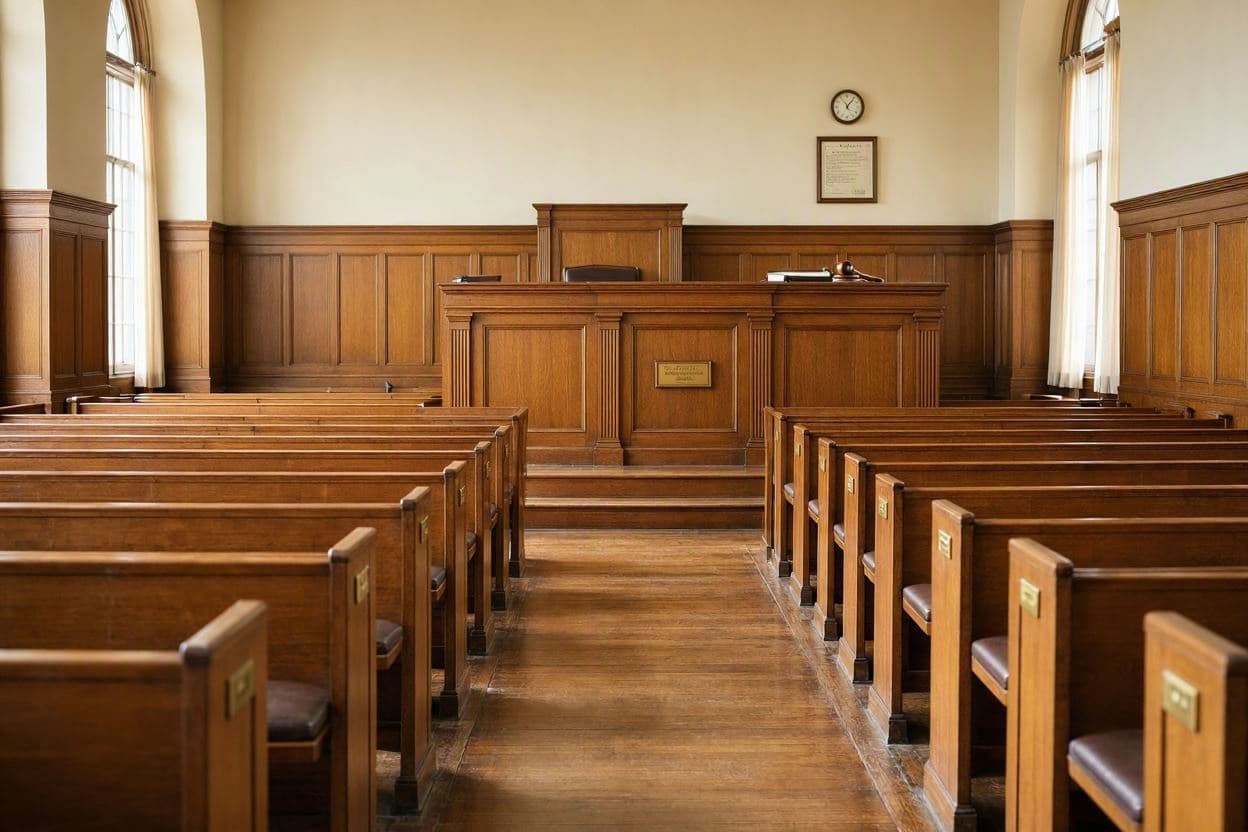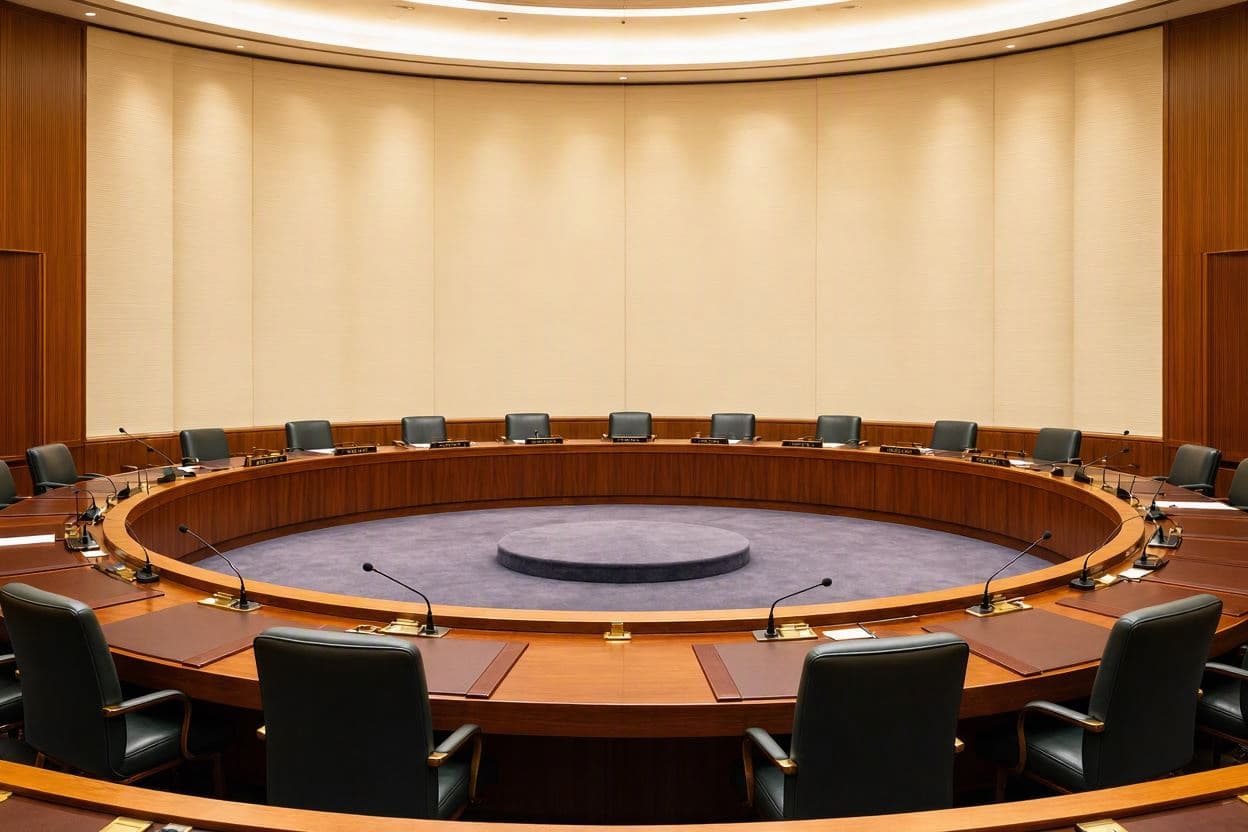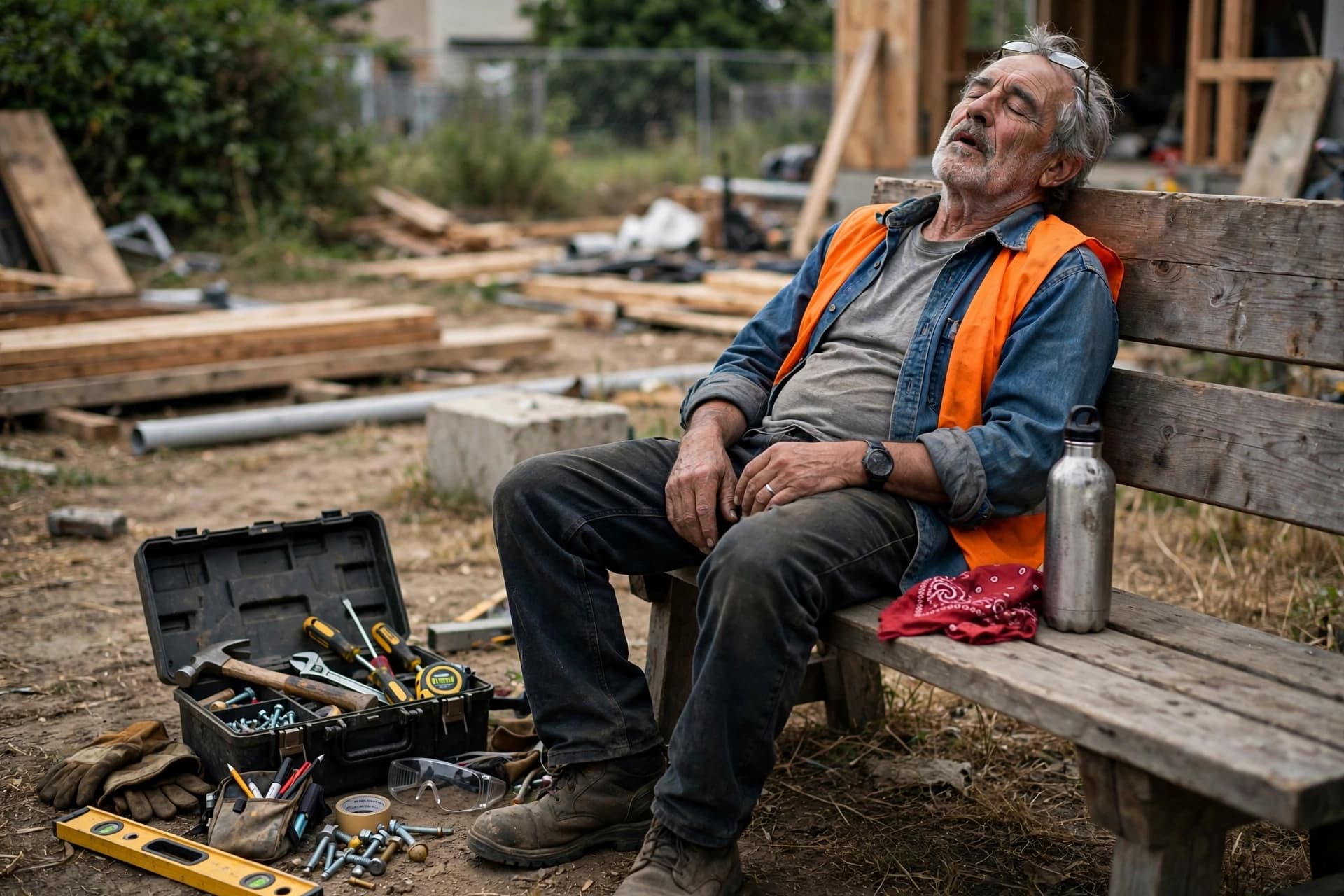
In the evolving landscape of American labor, a new proposal seeks to redefine the timeline of retirement. Legislators have introduced a bill that would lower the full retirement age for Social Security to 60 for certain workers, particularly those in physically demanding jobs. This initiative aims to address the inequities faced by laborers whose bodies bear the brunt of decades of hard work. It is a gesture of recognition for those who build the nation’s foundation. Dignity deserves reward.
Currently, the full retirement age is gradually rising to 67, reflecting increased life expectancy and fiscal pressures on the system. However, proponents argue that this one-size-fits-all approach ignores the varied realities of different professions. A construction worker’s body ages differently than an office worker’s. Equity requires nuance. Fairness acknowledges difference.
The proposal targets specific categories of workers, such as those in manufacturing, mining, and healthcare support roles. By allowing them to retire earlier with full benefits, the plan seeks to improve quality of life and reduce workplace injuries among older employees. Health is wealth. Rest restores strength.
Critics, however, raise concerns about the financial sustainability of Social Security. Lowering the retirement age could strain the trust fund, potentially requiring tax increases or benefit cuts elsewhere. Fiscal responsibility is a constant challenge. Balance is difficult to achieve.
For millions of Americans, the prospect of retiring at 60 offers hope and relief. Many struggle to continue working due to health issues or job market changes. This change could provide a much-needed safety net. Security supports stability. Hope drives policy.
The debate has ignited discussions across political lines, with some viewing it as a necessary correction and others as a risky expenditure. Public opinion is divided, reflecting broader tensions about social welfare and economic priorities. Dialogue shapes democracy. Voice matters.
As the proposal moves through Congress, it faces significant hurdles. Lobbying efforts from both labor unions and fiscal conservatives will influence its trajectory. Advocacy influences outcome. Persistence yields results.
In the end, the proposal to lower the retirement age is a testament to the ongoing evolution of social security. It challenges us to consider what fairness looks like in a changing economy. As deliberations continue, the hope is for a solution that honors work and ensures security. Justice guides progress.
AI Image Disclaimer: The visual aids included here are AI-generated illustrations depicting retirement themes and labor concepts, not actual photographs of specific legislators or Social Security offices.
Sources: Kiplinger Bipartisan Policy Center CBS News
Published by Banx Network. This article is part of the Banx decentralized media programme, powered by the BXE token on the XRP Ledger.