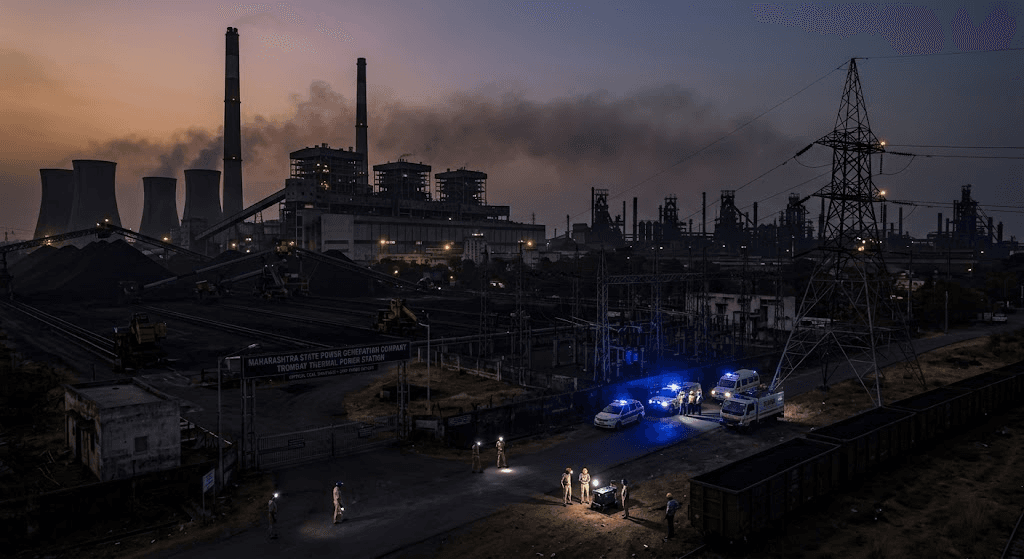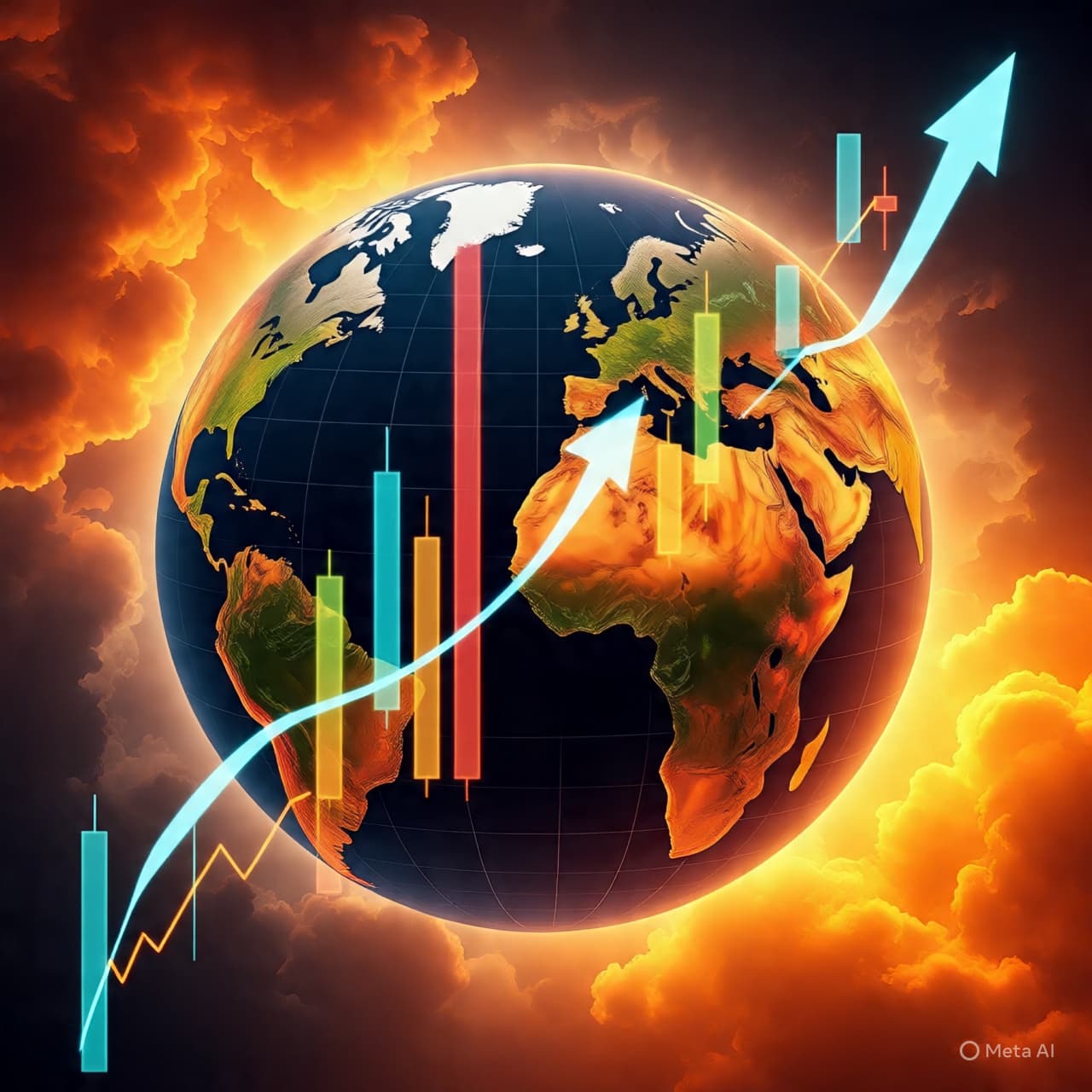
There is a quiet irony in a world growing warmer every year: some of the brightest minds in finance are placing their largest bets not on cooling the planet, but on profiting from its continued suffering. The idea, on its surface, seems at odds with our collective aspirations to slow climate change — and yet, in boardrooms and venture firms, one can now hear discussions about technologies and financial instruments that would only become truly valuable if the climate’s worst outcomes begin to unfold.
One earliest example of this emerging trend can be found in investors backing solar geoengineering technologies — systems designed to shoot reflective particles into the stratosphere to deflect sunlight and artificially cool the Earth. Venture capitalist Finn Murphy explains that he does not want the world to burn; but, in his view, slower global action means such technologies could one day be deployed at scale and *be worth tens of billions of dollars.*
Murphy’s firm and others have directed more than $115 million into companies testing these unproven ideas. Stardust Solutions, a leading player in this niche, has drawn over $75 million of that capital in hopes of developing atmospheric reflection systems — a bet on extreme warming scenarios rather than gradual decarbonization.
These investments sit at the edge of financial plausibility and ethical discomfort. Solar geoengineering remains highly controversial among scientists and ethicists because of its unknown side effects: shifts in regional rainfall, disrupted food systems, and geopolitical tensions over who controls atmospheric intervention. The term termination shock even refers to the risk that if such interventions are suddenly halted, temperatures could spike dramatically.
Beyond geoengineering startups, other market strategies place capital in instruments whose returns are tied — paradoxically — to climate instability. Catastrophe bonds, for example, allow investors to assume the financial risk of natural disasters. If a hurricane or wildfire does not reach a predefined severity, investors collect attractive returns; if it does, they may forfeit part or all of their principal. These so-called “cat bonds” have grown into a market worth tens of billions of dollars as extreme weather events become more frequent.
Climate risk also shapes broader trading behavior. Hedge funds and derivative traders have seen strong returns in weather-linked markets, such as instruments tied to temperature swings or disaster risk, where big payouts come when climate volatility rises. In a warming world, that volatility may become an almost inevitable backdrop for financial gain.
What ties these seemingly disparate bets together is a stark reality: some investors are positioning themselves to make money if climate change accelerates rather than abates. They are not necessarily hoping for catastrophe, but they are pricing their strategies against a backdrop in which global warming persists, policy action lags, and extreme weather becomes more common.
This trend raises questions about incentive structures in global finance. Should capital be aligned with avoiding catastrophe, or merely profiting despite it? As markets digest the physical and economic risks of climate change, the outcomes will likely influence not only investors’ wealth, but the future of communities already feeling the climate’s harsh edge. Whether such bets spur innovation or deepen our collective vulnerability remains an open question — one with stakes far beyond balance sheets.
AI Image Disclaimer Visuals are created with AI tools and are not real photographs.
Sources E&E News by POLITICO — reporting on investors funding solar geoengineering and potential profits. Euronews — overview of catastrophe bonds as climate-linked financial instruments.
Published by Banx Network. This article is part of the Banx decentralized media programme, powered by the BXE token on the XRP Ledger.