Churches are often the anchors of community memory, standing as silent witnesses to generations of weddings, funerals, and quiet moments of reflection. In New Brunswick, one such historic structure recently fell victim to flames, leaving behind not just charred timber but a void in the local heritage. The destruction of this beloved building has shaken the community, prompting questions about motive and loss. Now, with charges laid against a 68-year-old man for arson, the focus shifts from grief to justice, though the emotional scars remain fresh.
The fire consumed the historic church in a matter of hours, despite the efforts of firefighters who battled the blaze through the night. The building, which had served the community for decades, was reduced to a shell, its steeple collapsed and its interior gutted. For many residents, the church was more than a place of worship; it was a landmark that defined the town’s skyline and identity. Its loss is felt deeply by those who grew up within its walls.
Police investigations led to the arrest of a local man, who has been charged with arson. While the motive remains under investigation, authorities have indicated that there is no evidence suggesting terrorism or broader criminal networks. Instead, it appears to be an isolated incident, possibly driven by personal grievances or mental health challenges. This distinction offers some comfort to a community fearful of wider instability.
The legal process will now take its course, with the accused facing serious charges that carry significant penalties. Arson is a crime that not only destroys property but also threatens lives and erodes public trust. The prosecution will need to prove intent and causation, relying on forensic evidence and witness testimony. For the community, the trial will be a difficult but necessary step toward closure.
Community leaders have called for unity and healing in the aftermath. Fundraising efforts have begun to support the congregation and explore options for rebuilding or preserving what remains of the site. The resilience of the people is evident in their determination to honor the memory of the church, even if the physical structure is gone. It is a testament to the strength of faith and community bonds.
Historic preservationists mourn the loss of architectural heritage. The church represented a specific era of construction and design that is increasingly rare. Its destruction is a reminder of the fragility of historical assets and the importance of protecting them. Discussions about fire safety and security for older buildings are likely to intensify in the region.
For the accused, the charges mark a dramatic turn in his life. At 68, he faces a legal battle that will scrutinize his actions and intent. The community’s response has been largely one of shock rather than anger, reflecting a desire to understand rather than condemn. It is a complex human situation that defies simple judgment.
As the investigation continues, the community of New Brunswick begins the long process of healing. The charge of arson brings a measure of accountability, but the loss of the historic church remains a poignant reminder of how quickly heritage can vanish.
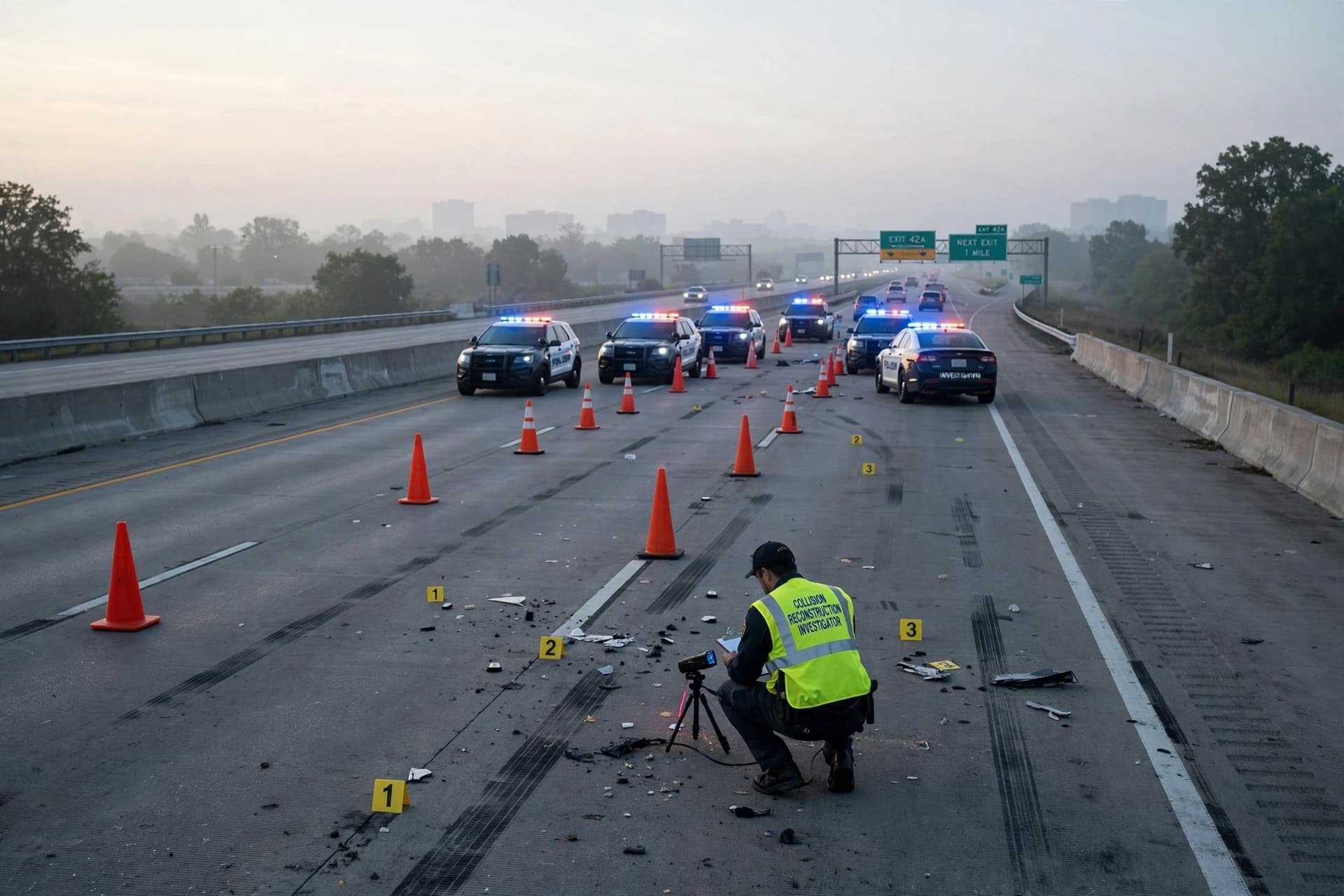
AI Image Disclaimer: The visual materials associated with this article are AI-generated and serve as illustrative aids rather than factual documentation.
Sources: CBC News Global News CTV News Atlantic Telegraph-Journal
Published by Banx Network. This article is part of the Banx decentralized media programme, powered by the BXE token on the XRP Ledger.