Life along the coast has always been shaped by a close relationship with the sea. It provides livelihoods, connects communities, and inspires generations through its changing horizons. Yet the same waters that sustain daily life can also remind humanity of nature's immense power. For countries frequently affected by seismic activity, preparedness becomes an enduring commitment rather than a temporary response.
Japan has accelerated efforts to strengthen earthquake and tsunami preparedness across vulnerable coastal regions. National and local authorities are expanding disaster mitigation programs through infrastructure improvements, updated evacuation planning, and broader public education campaigns designed to improve community resilience against future natural hazards.
Government agencies have prioritized reinforcing coastal protection systems, upgrading emergency communication networks, and improving evacuation facilities in areas identified as having elevated seismic and tsunami risks. Officials stated that the program reflects ongoing efforts to reduce the potential impact of future disasters while adapting to evolving scientific assessments.
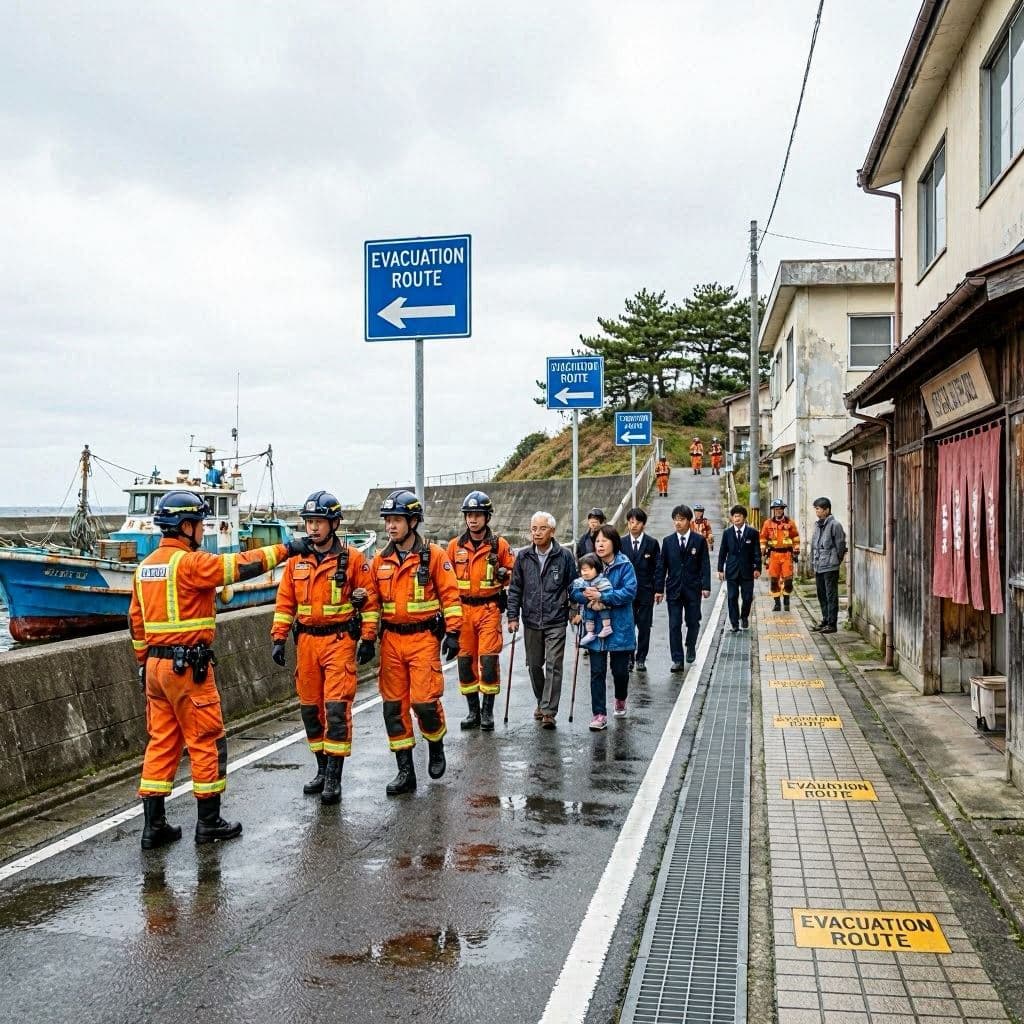
Municipal governments are also conducting larger disaster response exercises involving residents, emergency responders, schools, hospitals, and volunteer organizations. These drills help communities become familiar with evacuation routes, emergency shelters, and communication procedures that could prove critical during a real emergency.
Japan's Meteorological Agency continues investing in advanced monitoring technologies capable of detecting earthquakes and issuing tsunami warnings within seconds. Early warning systems have become an essential component of the country's disaster management strategy, allowing people and emergency services to respond more quickly when seismic activity occurs.
Engineers and disaster management experts emphasize that resilient infrastructure plays an important role in reducing risks. Reinforced buildings, improved seawalls, elevated evacuation centers, and strengthened transportation networks contribute to protecting communities while supporting faster recovery following natural disasters.
Public education remains another central element of Japan's preparedness strategy. Schools, community organizations, and local governments regularly provide disaster awareness training that encourages households to prepare emergency supplies, establish family communication plans, and understand local evacuation procedures.
International observers frequently regard Japan as a global leader in disaster preparedness because of its decades of experience responding to earthquakes and tsunamis. Researchers and emergency management officials from other countries often study Japanese practices when developing their own disaster resilience programs.
Although natural disasters cannot be prevented, careful preparation continues reducing their potential consequences. Japan's expanded preparedness initiatives reflect the understanding that resilience is built gradually through science, planning, infrastructure, and community participation, helping protect lives when nature's forces can no longer be controlled.
AI Image Disclaimer:
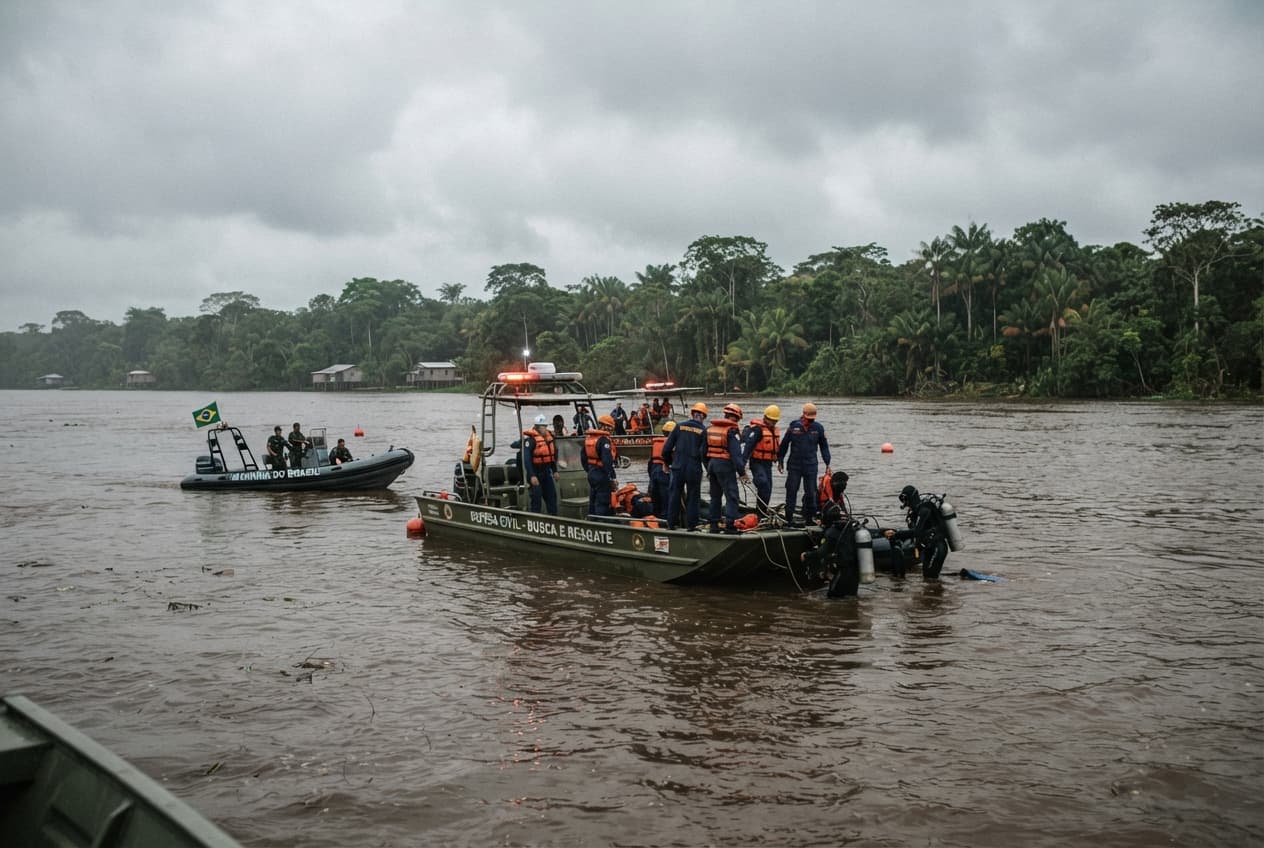
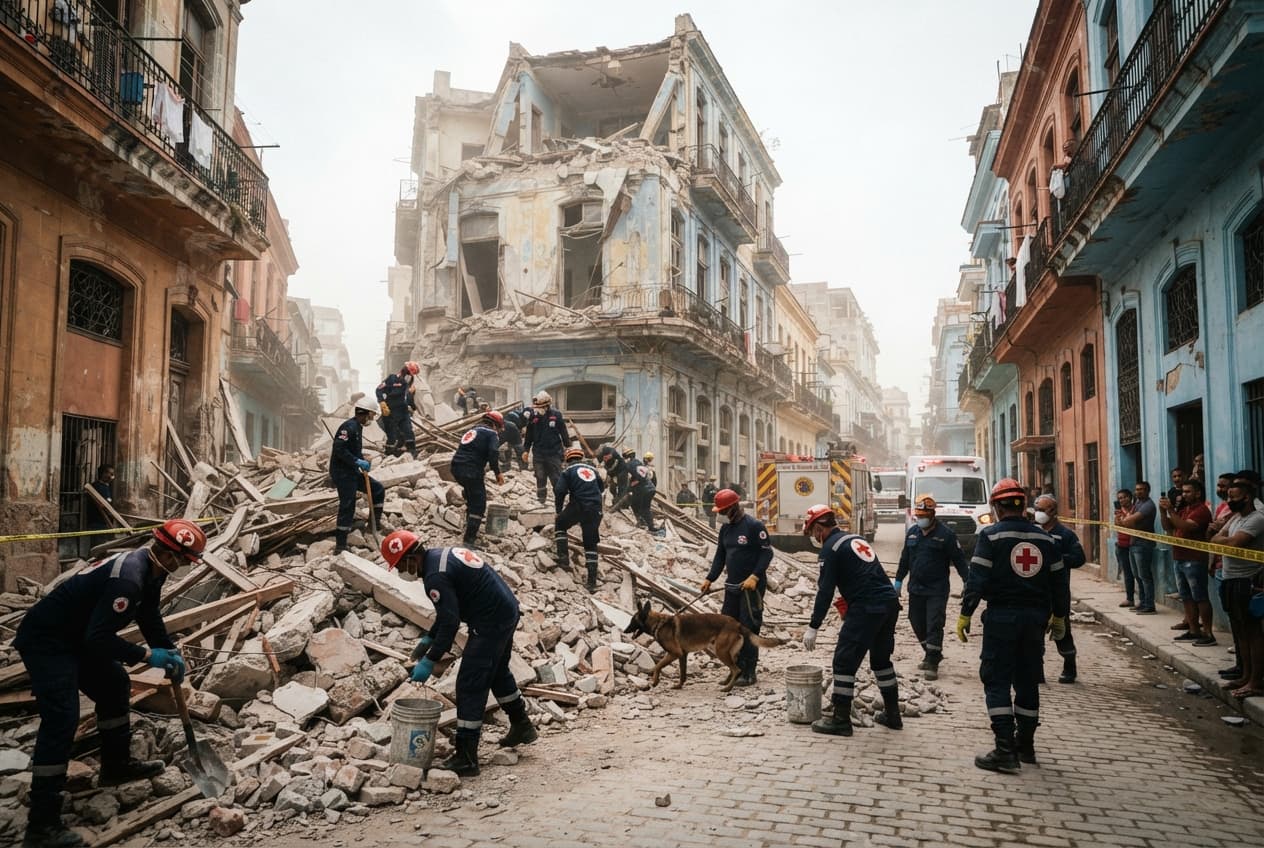
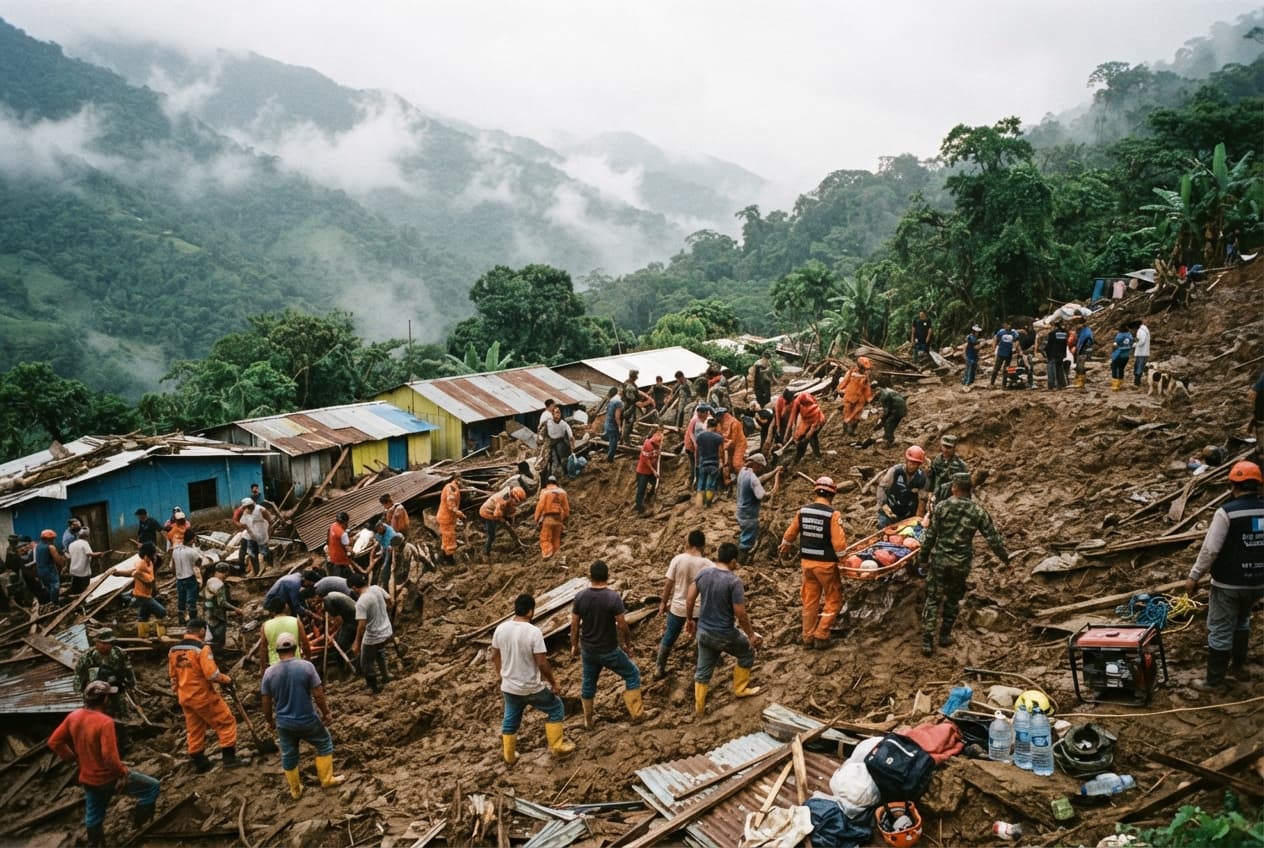
The illustrations accompanying this article were generated using artificial intelligence to depict disaster preparedness activities and are not actual photographs from government operations.
Sources (Source Verification Check):
NHK World, Reuters, Japan Meteorological Agency
Published by Banx Network. This article is part of the Banx decentralized media programme, powered by the BXE token on the XRP Ledger.