
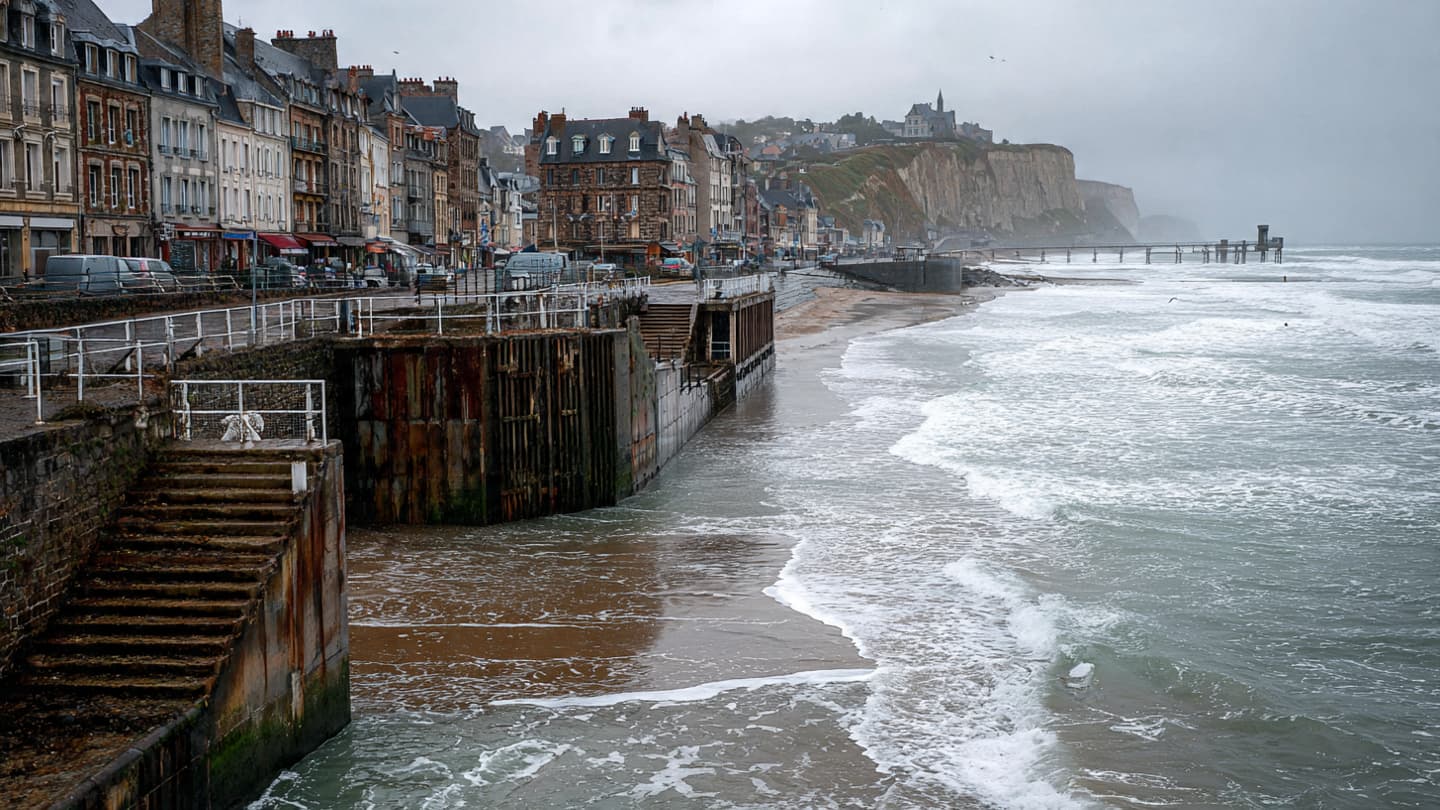
Climate change is often discussed through projections and long-term forecasts, yet its effects are increasingly visible in everyday life. Heatwaves, floods, droughts, and changing weather patterns are influencing communities across the globe, creating challenges that require both immediate responses and long-term planning. In this context, France has reaffirmed its support for international climate adaptation programs aimed at helping vulnerable nations strengthen resilience.
Adaptation focuses on preparing societies for environmental changes that are already occurring or expected to occur in the future. Unlike mitigation efforts, which seek to reduce emissions and limit long-term climate change, adaptation emphasizes practical measures that help communities manage risks and reduce vulnerability.
Many countries face significant challenges related to climate impacts. Coastal regions may confront rising sea levels, agricultural areas may experience shifting rainfall patterns, and urban centers may encounter more frequent heat-related pressures. Adaptation initiatives aim to provide tools, resources, and expertise that support effective responses.
France’s support aligns with broader international efforts to strengthen climate resilience. Programs often include investments in infrastructure, water management systems, disaster preparedness, agricultural adaptation, and environmental monitoring. Such initiatives seek to reduce the human and economic consequences of extreme weather events.
International cooperation remains central to these efforts. Climate impacts frequently cross national boundaries, affecting ecosystems, migration patterns, food systems, and economic activity. Collaborative approaches help share knowledge, mobilize resources, and support communities facing common challenges.
Funding plays a significant role in adaptation strategies. Vulnerable countries often require financial assistance to implement large-scale resilience projects. International support can help accelerate initiatives that might otherwise be difficult to achieve due to resource limitations.
Scientific research also contributes to adaptation planning. Improved forecasting, climate modeling, and environmental monitoring enable governments and communities to make more informed decisions regarding infrastructure, agriculture, and emergency preparedness.
Observers note that adaptation is increasingly viewed as an essential complement to broader climate policies. Even as efforts continue to reduce emissions, many communities must simultaneously prepare for impacts that are already being experienced today. Balancing these priorities requires long-term commitment and strategic planning.
France has consistently participated in international climate discussions and adaptation initiatives, emphasizing the importance of resilience alongside environmental sustainability. Such efforts reflect growing awareness that preparation can significantly reduce future risks.
As climate challenges continue to evolve, adaptation programs offer practical pathways toward greater resilience. France’s support underscores the belief that helping vulnerable communities prepare today can contribute to a more stable and secure future tomorrow. In a changing world, resilience may prove to be one of the most valuable resources of all.
AI IMAGE DISCLAIMER
Visuals are created with AI tools and are not real photographs.
SOURCE CHECK
Reuters United Nations Environment Programme AFP France 24 World Meteorological Organization
Published by Banx Network. This article is part of the Banx decentralized media programme, powered by the BXE token on the XRP Ledger.
.jpg&w=3840&q=75 "US Declares Drought Disaster for Parts of Puerto Rico as Dry Conditions Persist")

