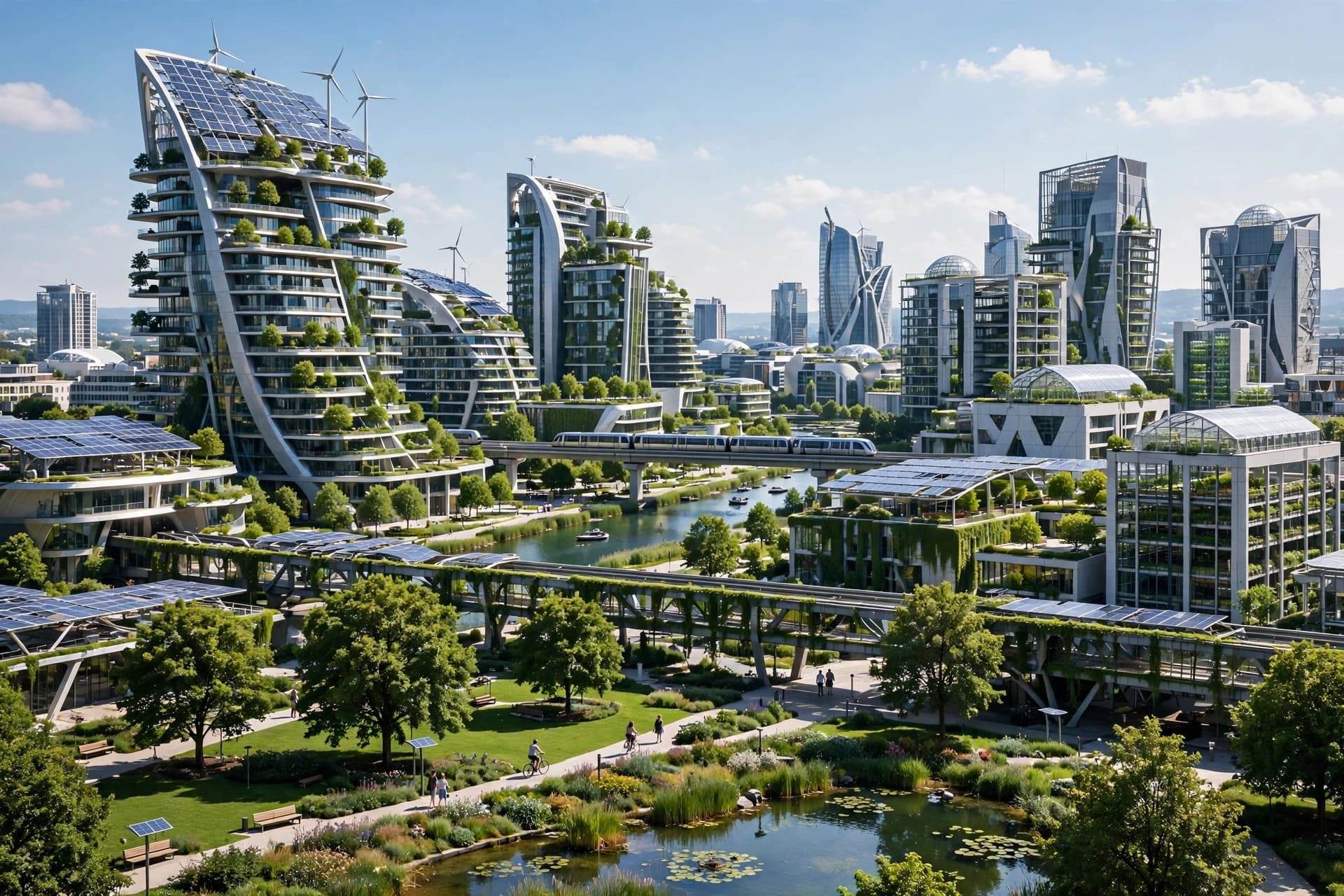
On the shores of Uruguay, a vision of the future is taking shape. Praxis, a startup led by a 30-year-old CEO, is developing an AI-powered city from scratch, promising a utopian community for those seeking a new way of life. With the first residents expected to arrive next year, the project aims to blend cutting-edge technology with sustainable living. It is an ambitious experiment in social engineering, where artificial intelligence manages infrastructure and governance. The dream is to create a society optimized for human flourishing.
The concept of a "digital nation" has gained traction among tech entrepreneurs who feel constrained by traditional political systems. Praxis positions itself as a home for the brave, offering a space where innovation and virtue can thrive. By leveraging AI, the city hopes to streamline services, reduce bureaucracy, and enhance quality of life. Efficiency is the engine of this utopia.
Uruguay was chosen for its stability, progressive policies, and welcoming attitude toward innovation. The country’s small size and strong democratic institutions make it an ideal testing ground for such a radical project. Local officials have expressed cautious optimism, seeing potential economic benefits and technological advancement. Partnership is key to success.
For prospective residents, the appeal lies in the promise of a fresh start. The community is designed for individuals who share a worldview centered on freedom, responsibility, and progress. Membership involves a commitment to the values of the digital nation, creating a cohesive social fabric. Belonging is a choice.
Critics raise concerns about the exclusivity and feasibility of such projects. Questions remain about how AI will handle complex ethical decisions and whether a technocratic model can truly address human needs. There are fears that such utopias may become echo chambers, lacking the diversity that strengthens societies. Skepticism is healthy.
However, proponents argue that experimentation is necessary for progress. Traditional cities face challenges like congestion, pollution, and inefficiency. A new model, built from the ground up with modern tools, offers a chance to solve these problems. Innovation requires risk.
The timeline for the project is aggressive, with construction and infrastructure development underway. The first phase will include housing, commercial spaces, and digital connectivity. As more people join, the community will grow, testing the limits of its design. Growth is a measure of viability.
In the end, the Praxis project in Uruguay is a bold attempt to reimagine urban living. It challenges us to think about the role of technology in society and the kind of future we want to build. Whether it succeeds or fails, it will offer valuable lessons. The future is being written, one line of code at a time.
AI Image Disclaimer: The visual aids included here are AI-generated illustrations depicting futuristic city concepts and technological themes, not actual photographs of the Praxis site or its founders.
Sources: New York Post Praxis Nation Real Estate News
Published by Banx Network. This article is part of the Banx decentralized media programme, powered by the BXE token on the XRP Ledger.