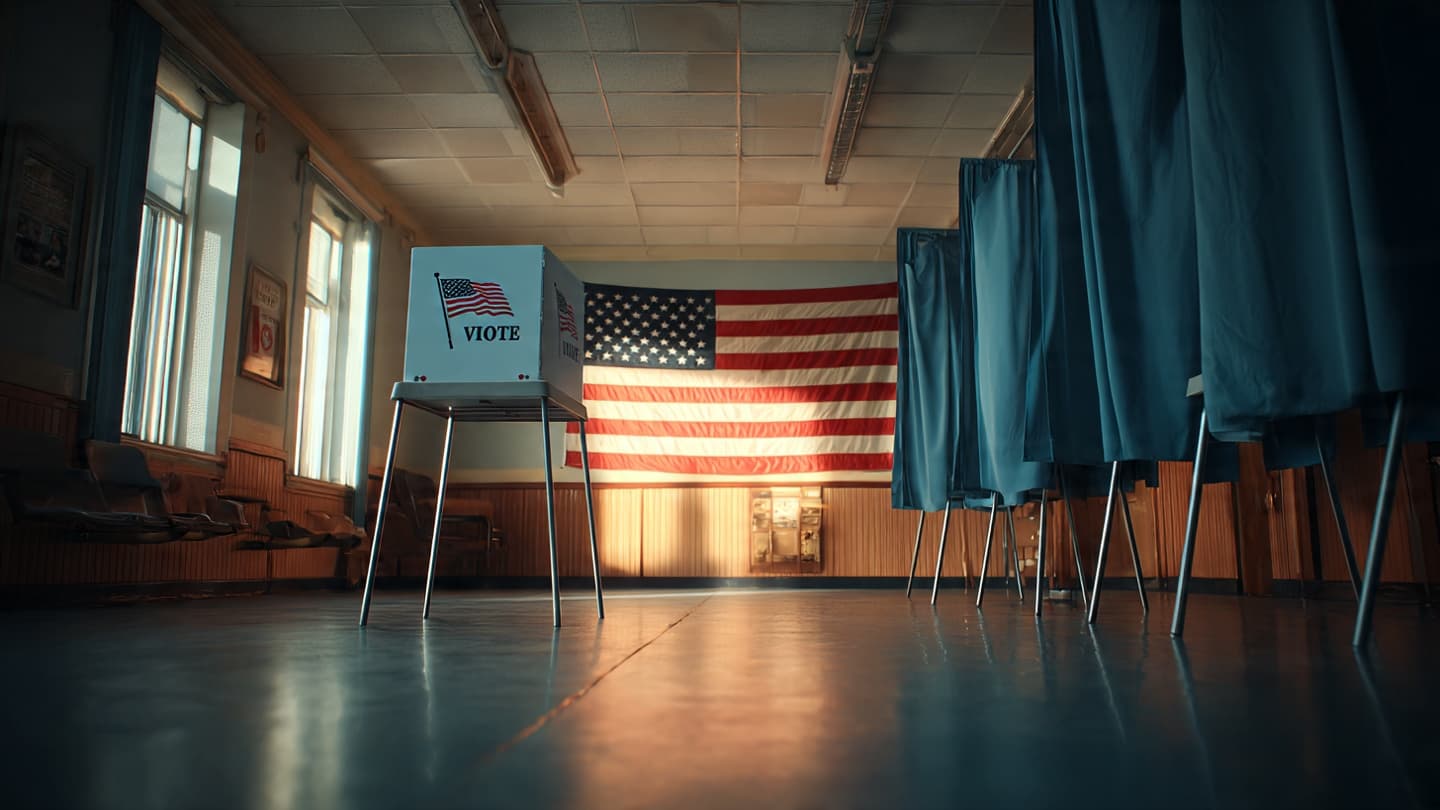
In the political landscape of Wisconsin, a state known for its progressive roots and fierce electoral battles, a significant contest is unfolding. The Democratic establishment is mobilizing efforts to prevent a democratic socialist candidate from securing victory in an upcoming primary. This struggle reflects broader tensions within the party between moderate pragmatism and ideological purity. It is a moment of introspection, where voters are asked to define what representation means to them. The outcome will not only shape local policy but also signal the direction of the national Democratic movement.
The candidate in question, representing a growing wing of the left, advocates for policies such as Medicare for All, free college tuition, and aggressive climate action. Their campaign has energized young voters and activists who feel that traditional approaches have failed to address systemic inequalities. For supporters, this election is a chance to push the party toward bold, transformative change. They argue that incrementalism is no longer sufficient in the face of urgent challenges.
However, party leaders and moderate Democrats express concern that such positions may alienate swing voters in a general election. Wisconsin is a pivotal swing state, and maintaining a broad coalition is seen as essential for winning statewide offices. The establishment argues that electability requires a balance of progressive values and practical governance. They fear that a polarizing candidate could jeopardize down-ballot races and overall party strength.
This dynamic has led to increased spending and campaigning by established groups, aiming to highlight the risks of a socialist platform. Ads and outreach efforts focus on economic stability and bipartisan cooperation, appealing to voters who prioritize compromise. The message is one of caution, urging voters to consider the long-term implications of their choice. It is a strategic move to protect the party’s mainstream appeal.
For the voters, the decision is complex. They must weigh the desire for radical change against the need for political viability. Many are torn between loyalty to the party and enthusiasm for new ideas. This internal debate is healthy for democracy, forcing candidates to clarify their visions and engage with diverse perspectives. It encourages active participation and critical thinking.
As Election Day approaches, the intensity of the race is expected to peak. Turnout will be crucial, with both sides mobilizing their bases. The result will provide insight into the evolving identity of the Democratic Party in the Midwest. Will it embrace a more leftist agenda, or hold firm to its centrist traditions? The answer lies in the hands of Wisconsin voters.
Wisconsin’s Democratic establishment is actively working to counter a democratic socialist candidate in the upcoming primary, highlighting the ideological divide within the party. As voters prepare to cast their ballots, the focus remains on balancing principle with electability. The outcome will shape the future of local and national politics.
AI Image Disclaimer: The images provided are AI-generated to visually represent the political and electoral aspects of the story.
Sources: Milwaukee Journal Sentinel Politico Wisconsin Public Radio
Published by Banx Network. This article is part of the Banx decentralized media programme, powered by the BXE token on the XRP Ledger.