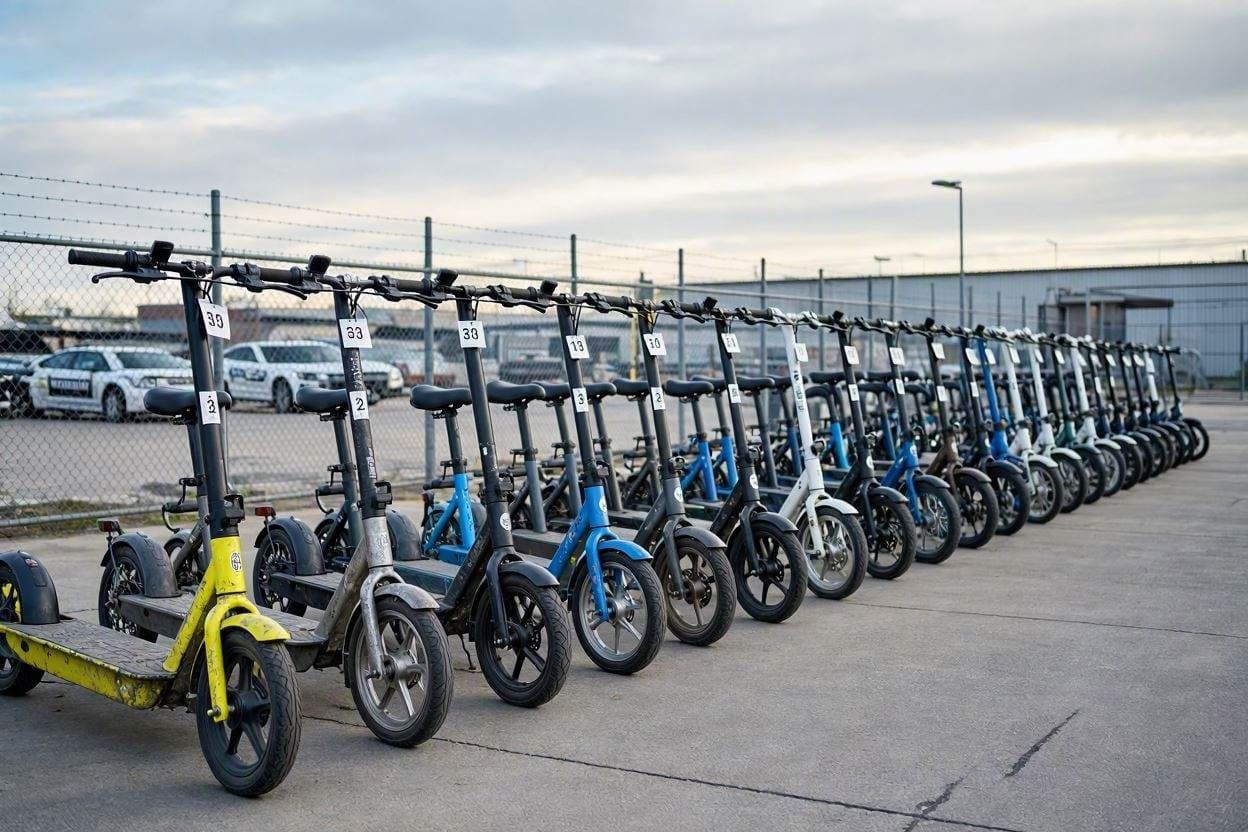
In the bustling streets of Ireland’s cities, the hum of electric motors has become a familiar soundtrack. E-bikes and e-scooters offer a convenient, eco-friendly way to navigate urban landscapes, freeing riders from traffic congestion. However, this surge in popularity has brought challenges, particularly regarding safety standards and regulatory compliance. In a concerted effort to address these issues, An Garda Síochána recently conducted a nationwide day of action, resulting in the seizure of over 160 non-compliant electric vehicles. This operation reflects a growing determination to balance innovation with public safety.
The seizures targeted vehicles that did not meet legal requirements, such as lacking proper lighting, brakes, or speed limiters. Many of these devices had been modified to exceed legal speed limits, posing significant risks to both riders and pedestrians. The Gardaí focused on high-traffic areas and known hotspots for illegal usage, engaging with riders to educate them on the laws while enforcing penalties where necessary. The scale of the seizure indicates the widespread nature of non-compliance in the market.
Safety concerns have been mounting as accidents involving e-scooters and e-bikes increase. Issues such as riding on sidewalks, ignoring traffic signals, and using unsafe equipment have led to calls for stricter regulation. The day of action was not just about punishment but also about raising awareness. Officers distributed informational materials and spoke with retailers to ensure that only compliant vehicles were being sold to the public.
For legitimate users, the crackdown may seem stringent, but proponents argue it is necessary to protect the integrity of the micromobility sector. By removing dangerous vehicles from the roads, authorities hope to reduce accidents and foster a culture of responsible riding. The goal is to ensure that e-mobility remains a viable and safe option for urban transport, rather than a source of conflict and danger.
Retailers are also under scrutiny, with inspections aimed at preventing the sale of illegal modifications. The supply chain for these vehicles is complex, and ensuring compliance requires cooperation between manufacturers, sellers, and law enforcement. The Gardaí’s actions send a clear message that the market must adhere to established safety standards to operate legally.
Community reaction has been mixed, with some praising the initiative for improving road safety and others expressing concern about the cost and accessibility of compliant vehicles. However, the consensus among safety advocates is that regulation is essential for the long-term success of e-mobility. Without rules, the convenience of these devices is overshadowed by the risk they pose.
The seizure of over 160 e-bikes and e-scooters marks a significant step in regulating urban micromobility in Ireland. As the country adapts to new forms of transport, the balance between freedom and safety remains a priority. The hope is that through education and enforcement, the streets will become safer for all users.
AI Image Disclaimer: Visuals associated with this article are AI-generated to illustrate the themes of urban mobility and law enforcement.
Sources: RTÉ News The Irish Times An Garda Síochána
Published by Banx Network. This article is part of the Banx decentralized media programme, powered by the BXE token on the XRP Ledger.