In the heart of Central Africa, where the Congo River winds through dense forests and vibrant communities, a silent enemy has once again taken hold. The Ebola virus, a pathogen known for its severity and rapid spread, has resurfaced in the Democratic Republic of the Congo (DRC), prompting a heartfelt appeal from Pope Francis. His call for international aid is not merely a religious gesture but a moral imperative, urging the global community to respond with compassion and resources to those suffering in the midst of this health crisis.
The outbreak in the DRC is a recurring challenge for a nation that has faced multiple Ebola epidemics in recent years. Weak healthcare infrastructure, logistical difficulties, and community mistrust often complicate response efforts. The Pope’s appeal highlights the human cost of the disease, emphasizing the need for medical supplies, trained personnel, and financial support to contain the spread and care for the infected.
International organizations, including the World Health Organization (WHO) and Médecins Sans Frontières (MSF), are already on the ground, working tirelessly to isolate cases and vaccinate at-risk populations. However, resources are stretched thin, and additional support is crucial. The Pope’s voice adds weight to these efforts, mobilizing faith-based organizations and individual donors to contribute to the relief mission.
The situation in the DRC is further complicated by ongoing conflict and displacement in some regions. These factors hinder access to affected areas and increase the vulnerability of populations. Addressing Ebola requires not just medical intervention but also social stability and community engagement. Trust-building with local leaders is essential to ensure that safety measures are accepted and effective.
Global solidarity is tested in moments like these. The appeal for aid is a reminder that health crises know no borders. Viruses can spread rapidly in our interconnected world, making containment in one region a benefit to all. Supporting the DRC is not just an act of charity but a strategic investment in global health security.
The Catholic Church, with its extensive network in the DRC, plays a vital role in providing care and education. Clinics and schools run by religious orders are often first responders in remote areas. Strengthening these local capacities through international aid can create a more resilient healthcare system capable of handling future outbreaks.
As the number of cases fluctuates, the urgency of the response remains high. Every day counts in preventing further transmission. The international community’s reaction to the Pope’s appeal will be closely watched, serving as a barometer of global commitment to humanitarian principles.
Pope Francis’s call for aid for Ebola victims in the DRC underscores the shared responsibility of humanity in facing health crises. By responding with generosity and speed, the world can help alleviate suffering and strengthen defenses against future threats. The hope is that compassion will translate into action, bringing relief to those in need.
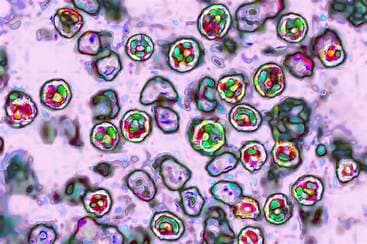
AI Image Disclaimer: Visuals accompanying this article are AI-generated illustrations designed to complement the narrative and do not depict real-time events.
Sources: Vatican News Reuters World Health Organization (WHO) Al Jazeera Catholic News Agency
Published by Banx Network. This article is part of the Banx decentralized media programme, powered by the BXE token on the XRP Ledger.