In the complex web of global food supply chains, where freshness and safety are paramount, a recent health crisis has exposed tensions between corporate interests and public health oversight. A company at the center of a Cyclospora outbreak in the United States reportedly lodged complaints with the White House, according to sources cited by Reuters. This development adds a layer of political complexity to a public health issue, raising questions about accountability, regulatory pressure, and the protection of consumers. For those affected by the illness, the behind-the-scenes maneuvering is a distant concern compared to their immediate suffering.
The situation invites reflection on how food safety is maintained in an era of consolidated agricultural production and powerful lobbying. It highlights the delicate balance between economic interests and the fundamental right to safe food.
Body: Cyclosporiasis is an intestinal illness caused by a microscopic parasite, often linked to contaminated fresh produce such as berries, lettuce, and herbs. The recent outbreak has sickened hundreds of people across multiple states, prompting investigations by the Centers for Disease Control and Prevention (CDC) and the Food and Drug Administration (FDA). Identifying the source is critical to stopping the spread and preventing future incidents.
The company involved, a major supplier of fresh produce, has faced intense scrutiny as investigators trace the contamination back to its facilities or farms. According to Reuters, executives expressed frustration with the regulatory process, alleging that the investigation was overly aggressive or unfair. Their complaints to the White House suggest an attempt to influence the outcome or mitigate reputational damage.
Public health officials emphasize that their primary goal is to identify the source of contamination, not to assign blame prematurely. However, the involvement of high-level political channels can create perceptions of bias or interference. Transparency is essential to maintain public trust in the regulatory system.
For consumers, the outbreak serves as a reminder of the risks associated with raw produce. While washing fruits and vegetables is recommended, it may not always remove parasites like Cyclospora. The industry is urged to implement stricter hygiene and water quality controls at every stage of production.
The legal and financial implications for the company could be significant. Recalls, lawsuits, and loss of consumer confidence can have lasting effects on a brand’s viability. Yet, the cost of illness to individuals and the healthcare system is far greater, underscoring the importance of prevention.
Advocacy groups are calling for stronger regulations and more rigorous inspections of imported and domestic produce. They argue that voluntary compliance is insufficient and that enforceable standards are necessary to protect public health. The outbreak has reignited debates about the adequacy of current food safety laws.
As the investigation continues, the focus remains on finding the root cause of the contamination. Whether it stems from irrigation water, worker hygiene, or processing equipment, identifying the source is key to preventing recurrence. The company’s cooperation with authorities will be closely watched.
The incident highlights the interconnectedness of global food systems. A problem in one part of the supply chain can have widespread consequences, affecting consumers thousands of miles away. It requires a collaborative approach to solve.
Closing: The complaint lodged by the company at the center of the Cyclospora outbreak adds a political dimension to a public health crisis. It invites continued vigilance and transparency in food safety regulation to protect consumers.
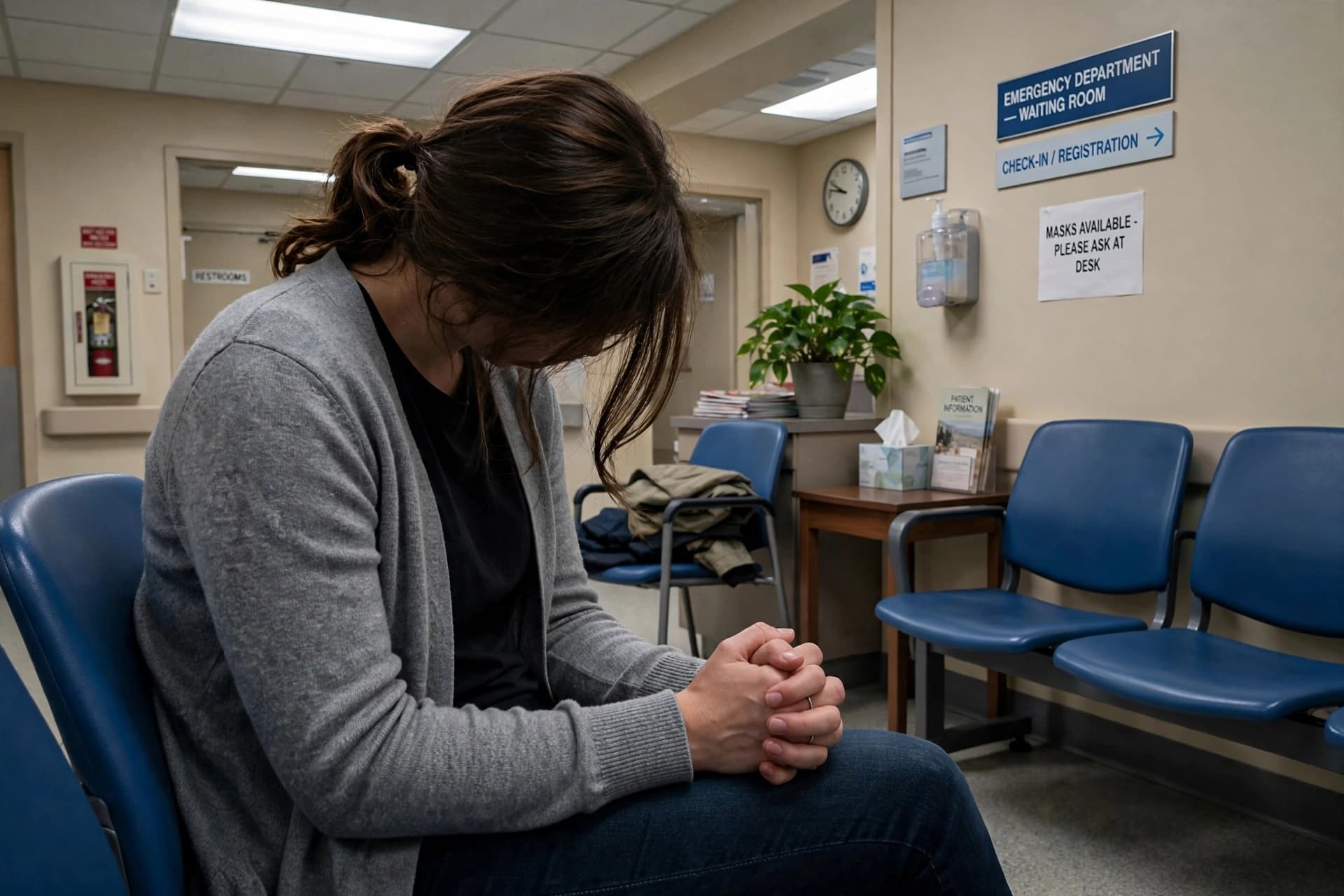
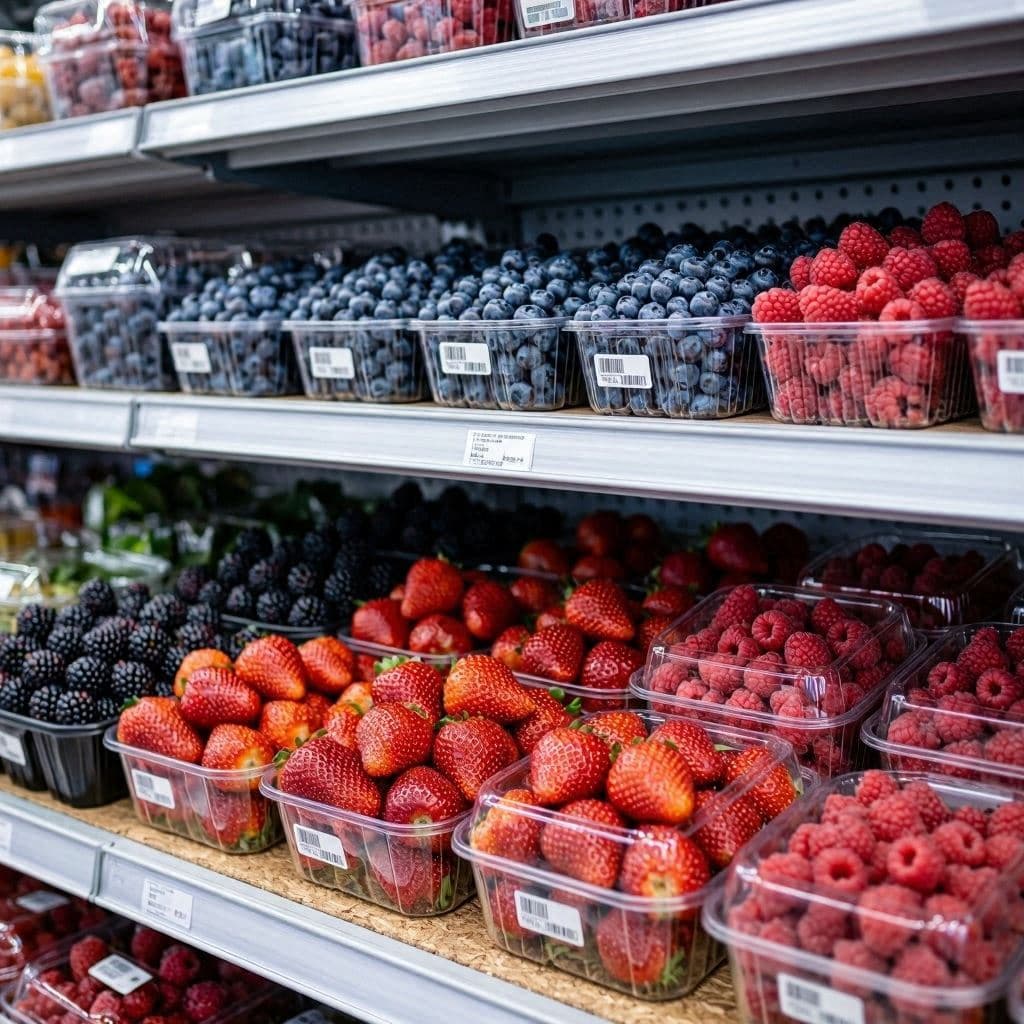
AI Image Disclaimer: Images used in this report are AI-generated depictions intended to illustrate the themes of food safety and regulatory oversight.
Sources: Reuters Centers for Disease Control and Prevention (CDC) Food and Drug Administration (FDA) NPR
Published by Banx Network. This article is part of the Banx decentralized media programme, powered by the BXE token on the XRP Ledger.