The poles of our planet, once thought to be eternal fortresses of ice, are undergoing a transformation that is both profound and irreversible. For decades, scientists have monitored the vast ice sheets of Greenland and Antarctica, watching as they respond to the warming embrace of a changing climate. Recent data reveals a staggering truth: since 1979, these polar giants have lost more than 12 trillion tons of ice. This loss is not merely a statistic but a tangible shift in the Earth’s physical geography, with implications that ripple across oceans and coastlines worldwide.
The scale of this melting is difficult to comprehend. Twelve trillion tons of ice is enough to raise global sea levels by nearly an inch, a seemingly small number that carries immense weight when distributed across the world’s oceans. The majority of this loss comes from Greenland, which has shed about 264 billion tons per year on average, and Antarctica, losing approximately 135 billion tons annually. These figures represent water that was once locked on land, now joining the seas and contributing to the gradual rise that threatens low-lying communities.
Satellite technology has been instrumental in tracking this decline. Missions like NASA’s GRACE (Gravity Recovery and Climate Experiment) have provided precise measurements of mass changes, allowing researchers to see beyond surface area to the actual volume of ice remaining. The data shows that the rate of loss is accelerating, driven by warmer air temperatures and ocean currents that undercut ice shelves from below. It is a feedback loop where melting leads to more absorption of heat, which in turn causes more melting.
For coastal residents, the implications are direct and personal. Rising seas increase the risk of flooding, erosion, and storm surges. Cities like Miami, Venice, and Jakarta are already grappling with higher tides and more frequent inundation. The loss of polar ice is not a distant problem but a present reality that requires adaptation and resilience. Infrastructure must be reinforced, and planning must account for a future where the shoreline is constantly shifting.
Beyond sea level rise, the melting ice affects global weather patterns. The fresh water entering the oceans can disrupt currents like the Gulf Stream, which plays a crucial role in regulating climate in Europe and North America. Changes in these currents can lead to more extreme weather events, from harsher winters to hotter summers. The interconnectedness of the Earth’s systems means that a change at the poles can resonate thousands of miles away.
Ecologically, the loss of ice habitat threatens species that depend on it for survival. Polar bears, seals, and penguins face shrinking hunting grounds and breeding areas. The decline in sea ice also impacts marine ecosystems, altering the distribution of plankton and fish populations. These changes ripple up the food chain, affecting biodiversity and the health of the ocean as a whole. It is a silent crisis unfolding in some of the most remote places on Earth.
Efforts to mitigate climate change are essential to slowing this trend. Reducing greenhouse gas emissions remains the most effective way to limit further warming and ice loss. International agreements and local actions alike play a part in this global endeavor. While some melting is already locked in due to past emissions, future choices will determine the severity of the impact. Every fraction of a degree matters in preserving what remains.
In the end, the story of the polar glaciers is a reminder of our planet’s fragility. The trillions of tons of ice lost are a testament to the power of human influence on the natural world. By understanding the scale of the change, we can better appreciate the urgency of the response. The ice may be melting, but our resolve to protect the future must remain solid.
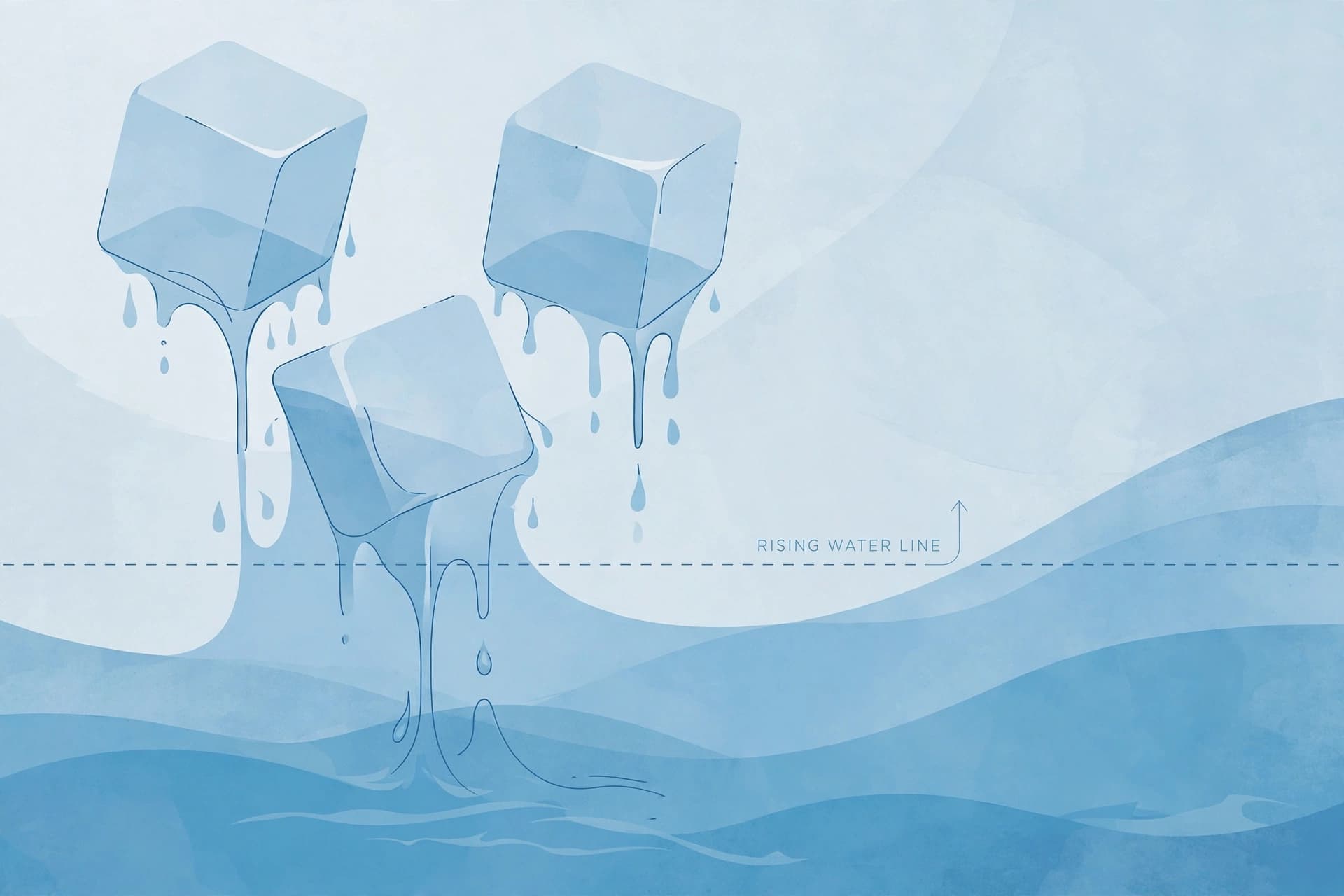
AI Image Disclaimer: The visual representations included here are AI-generated illustrations designed to depict polar landscapes and ice melt concepts, not actual satellite imagery or photographs of specific glacial retreat events.
Sources: NASA Earth Indicator AP News ABC News
Published by Banx Network. This article is part of the Banx decentralized media programme, powered by the BXE token on the XRP Ledger.