MANILA, Philippines — Vice President Sara Duterte has officially announced that she will run for President of the Philippines in the 2028 national elections, ending months of speculation about her political ambitions and reshaping the country’s political landscape.
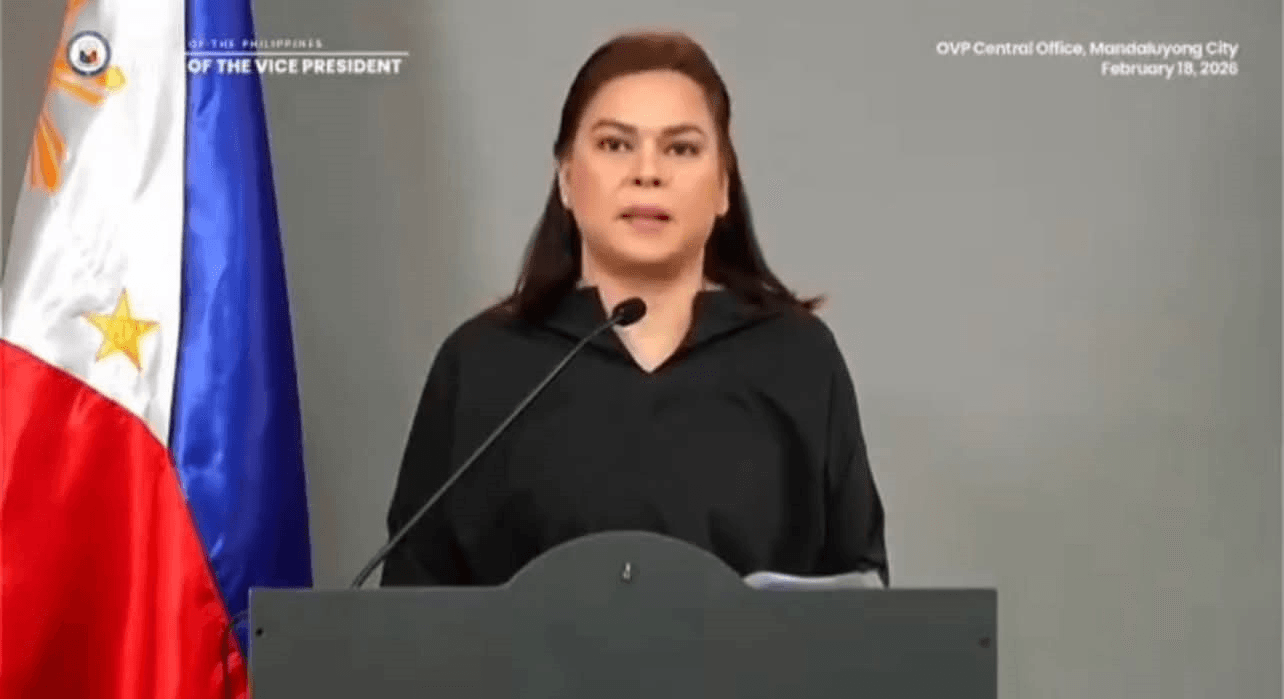
Duterte made the announcement during a press conference in Manila on February 18, 2026, declaring, “Ako si Sara Duterte, tatakbo bilang Pangulo ng Pilipinas” — I am Sara Duterte, and I will run for President of the Philippines.
In a brief but impactful speech, Duterte expressed her intention to serve the nation and critiqued the current administration’s performance. She also apologized for previously supporting President Ferdinand Marcos Jr. in the 2022 elections, saying he failed to fulfill key campaign promises.
The announcement comes more than two years before the official filing of candidacies for the May 2028 election, an unusually early declaration that signals confidence and strategic urgency in her campaign launch.
The Partido Demokratiko Pilipino–Lakas ng Bayan (PDP Laban), Duterte’s political party, quickly threw its support behind her bid, calling her decision historic and expressing belief in her leadership qualities for the country’s next chapter.
While Duterte has not yet outlined a detailed platform, remarks from her announcement emphasized themes like responsive governance, strengthening families, and addressing pressing national issues such as public services and economic concerns.
Duterte’s bid comes amid ongoing political and legal challenges, including fresh impeachment complaints and criminal allegations concerning alleged misuse of confidential funds during her tenure — accusations she denies and which she argues are politically motivated.
Despite these hurdles, her early bid declaration positions her as a major figure in the 2028 race and signals an intensifying political contest among the Philippines’ leading political dynasties.
At least two years before the election, Duterte’s announcement already shifts the spotlight onto potential rival candidates and the broader dynamics of Philippine politics. Her early entry could influence alliances, campaign strategies, and voter sentiment leading up to one of the country’s most consequential elections.
Published by Banx Network. This article is part of the Banx decentralized media programme, powered by the BXE token on the XRP Ledger.