In the machinery of American governance, some problems are not dramatic enough to capture headlines but consequential enough to shape the future. The permitting system—the labyrinth of reviews, approvals, and legal challenges that determines whether infrastructure gets built—is one such problem. It is neither glamorous nor simple, but it touches nearly everything: energy, housing, transmission lines, the price of power.
A bipartisan group of senators has announced a long-sought deal on permitting reform. The package, which spans more than 400 pages, aims to accelerate the construction of energy and infrastructure projects while addressing the costs that large data centers impose on the electric grid. The negotiators—Sens. Shelley Moore Capito, Mike Lee, Sheldon Whitehouse, and Martin Heinrich—have described it as a compromise that serves both traditional and clean energy interests .
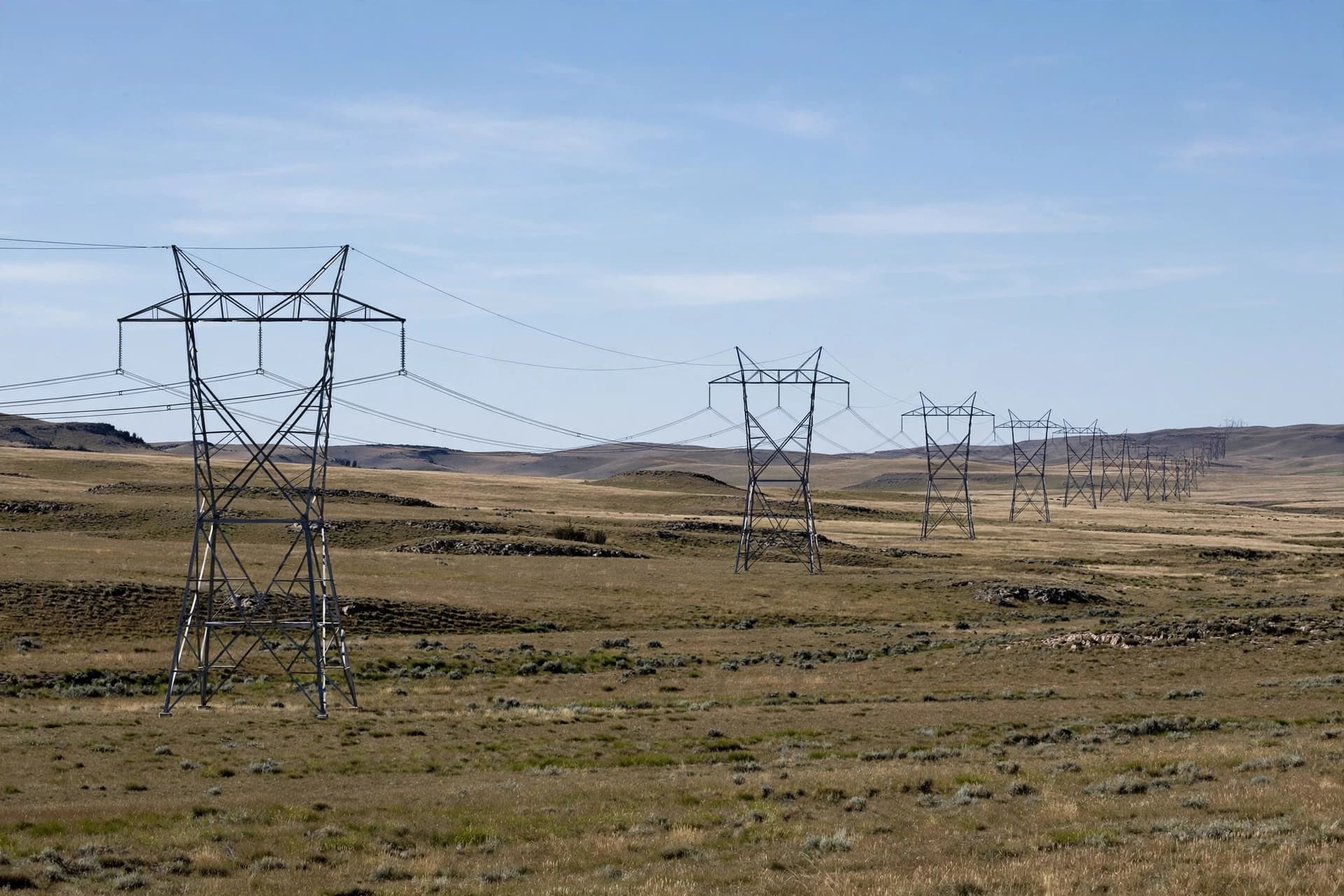
The deal includes several notable provisions. It would require data center developers to pay for the incremental power costs they add to the grid rather than passing those costs to ordinary ratepayers. It sets a two-year limit for environmental reviews and restricts legal challenges to within 150 days of a project’s approval. It also gives federal regulators more authority to approve major interstate transmission lines—a priority for those who wish to see renewable energy reach the places that need it .
Not everyone is satisfied. House Natural Resources Ranking Member Jared Huffman has raised concerns that the package weakens protections under the Endangered Species Act and does not adequately address what he describes as the administration’s efforts to hold up renewable energy projects. He has suggested that Democrats would be in a stronger negotiating position after the midterm elections . Other Democrats, including Rep. Scott Peters, have called the deal a “great step” while acknowledging that adjustments may be needed .
The debate reflects a deeper tension that has long animated American infrastructure policy: how to balance the need to build with the need to protect. Too much process, and nothing gets done. Too little, and the costs fall on communities and ecosystems that have no voice in the matter. The Senate deal attempts to thread that needle, though the thread is thin.
There is also a practical question of timing. The bill is expected to be taken up in the lame-duck session after the November election. Whether it can pass the House—where both progressive Democrats and some Republicans have reservations—remains uncertain. A similar effort in the previous Congress failed to advance .
For all its complexity, the permitting debate ultimately comes down to a simple question: whether the country can build the things it needs without losing the things it values. The Senate deal is a bet that the answer is yes, or at least that the attempt is worth making.
AI Image Disclaimer: Images associated with this article are AI-generated and do not depict actual persons or events.
Sources: Slow Boring, The Hill, CNBC, Politico, U.S. House Committee on Natural Resources
Published by Banx Network. This article is part of the Banx decentralized media programme, powered by the BXE token on the XRP Ledger.