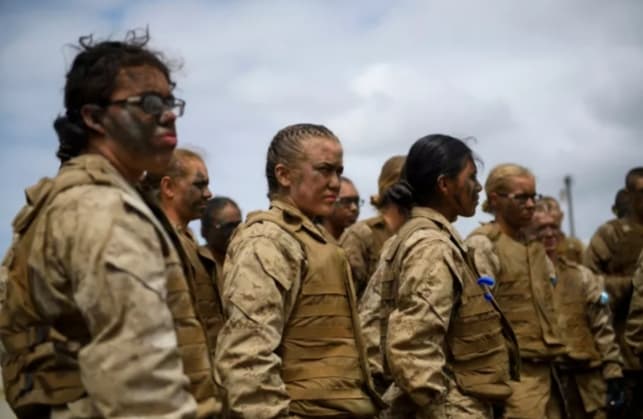
In a significant move, the Pentagon has announced plans to undertake a detailed review focused on the effectiveness of women in ground combat roles. This review reflects an ongoing commitment to integrating female service members into positions traditionally reserved for men and aims to assess their performance, readiness, and impact on combat operations.
The review will include an analysis of existing data on women in various combat units, looking at factors such as physical performance, unit cohesion, and overall effectiveness in fulfilling mission objectives. This initiative comes in response to evolving military policies that have aimed to remove barriers to women's participation in all aspects of military service.
Supporters of the review argue that understanding the contributions of women in combat is essential for ensuring the military’s effectiveness and promoting diversity. They believe that evaluating performance in these roles can lead to better training, improved strategies, and ultimately, a stronger military force.
Critics, however, voice concerns about potentially politicizing the assessment process, fearing that the findings might be swayed by preconceived notions about gender roles in combat. They argue that operational effectiveness should be the primary focus, irrespective of gender, and that all personnel should be evaluated based on their abilities and performance standards.
As the Pentagon embarks on this review, the outcome could have far-reaching implications for future military policies and the role of women in the armed forces. The findings will likely influence recruitment strategies, training programs, and policies aimed at fostering inclusivity while maintaining operational readiness.
This examination of women's roles in ground combat is part of a broader conversation about gender equality in the military, prompting discussions not only on effectiveness but also on the values of diversity and inclusion within the armed services. As the review progresses, its findings will be closely monitored by military leaders, lawmakers, and advocacy groups alike, highlighting the ongoing evolution of the military in a changing societal context.
Published by Banx Network. This article is part of the Banx decentralized media programme, powered by the BXE token on the XRP Ledger.

.jpg&w=3840&q=75 "Zelensky Warns China Is Helping Russia Develop a Starlink Rival")