In the corridors of the Pentagon, where tradition and innovation often clash, a recent shake-up has drawn attention to the changing dynamics of military leadership. Defense Secretary Pete Hegseth has overseen the removal of top editors from Stars and Stripes, the independent news organization serving U.S. troops worldwide. The move, part of a broader pressure campaign to align the publication with administration priorities, has raised concerns about press freedom and the integrity of military journalism.
Stars and Stripes has long operated with a degree of autonomy, providing uncensored news to service members. Its mission is to inform troops about issues affecting their lives, from deployment conditions to policy changes. However, under the new leadership, the publication faces increased scrutiny and direction from civilian officials. The dismissal of its editors signals a shift toward greater control, raising questions about the independence of military media.
Supporters of the decision argue that Stars and Stripes should reflect the values and goals of the current administration. They believe that military news outlets have a duty to support morale and unity, rather than critique leadership. From this perspective, the changes are necessary to ensure that the message reaching troops is consistent with national security objectives. It is seen as a matter of alignment and discipline.
Critics, however, view the move as an attack on journalistic integrity. They argue that Stars and Stripes plays a crucial role in holding the military accountable and providing transparent information to service members. By removing independent voices, the Pentagon risks creating an echo chamber that fails to address real concerns. Journalists and advocacy groups have expressed alarm, warning that such actions undermine trust in military institutions.
The pressure campaign led by Secretary Hegseth reflects a broader trend of tightening control over information within the government. In an era of misinformation and political polarization, the management of narrative has become a strategic priority. For the Pentagon, ensuring a cohesive message is seen as vital for operational security and public support. Yet, the balance between control and transparency remains delicate.
For the troops who rely on Stars and Stripes, the changes may affect the quality and relevance of the news they receive. Many value the publication for its honest reporting and diverse perspectives. If the content becomes overly curated, it may lose its credibility and utility. Service members deserve accurate and comprehensive information to make informed decisions about their service and lives.
The incident has sparked debate in Congress and among veterans’ groups. Some lawmakers are calling for investigations into the dismissals, citing concerns about First Amendment rights and military ethics. They argue that independent journalism is essential for a healthy democracy, even within the armed forces. The outcome of these discussions will shape the future of military media.
In the end, the firing of Stars and Stripes leaders is a symptom of larger tensions between authority and accountability. It highlights the challenges of maintaining press freedom in a hierarchical institution. For the Pentagon, it is a test of its commitment to transparency. For the troops, it is a reminder of the importance of truthful information. The story continues to unfold, with implications for how news is served to those who serve.
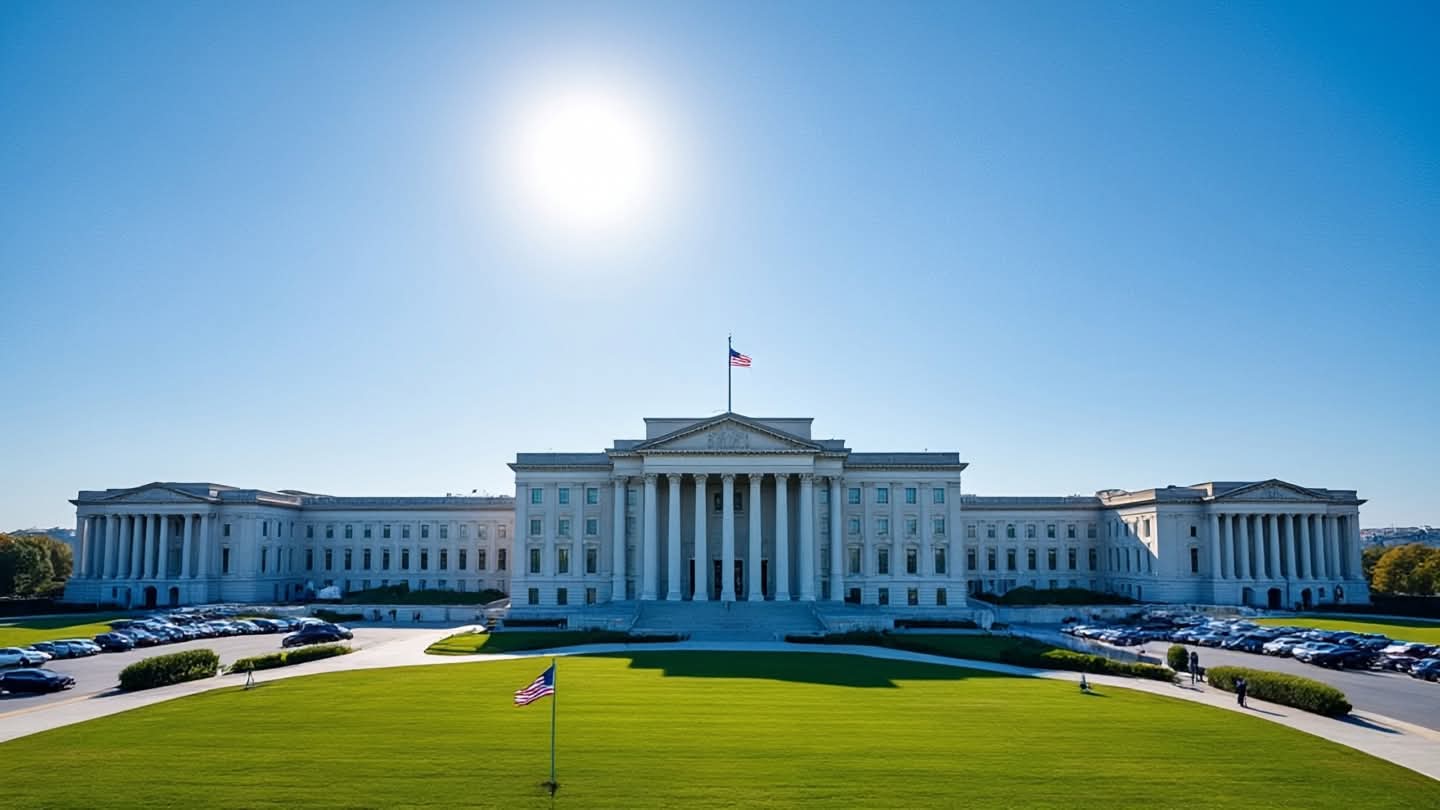
AI Image Disclaimer: Images accompanying this report are AI-generated artistic interpretations of military settings and abstract symbols of press freedom, intended to visualize the context of the leadership change without depicting real individuals or specific internal documents.
Sources: Stars and Stripes, The Washington Post, Politico, Military Times
Published by Banx Network. This article is part of the Banx decentralized media programme, powered by the BXE token on the XRP Ledger.