In the quiet hush before a rocket’s roar, sometimes the sky itself whispers “not yet.” On December 7, 2025, a slender silhouette of metal — the Falcon 9 booster B1067 — stood poised at Launch Complex 39A, ready to carry what would have been the 3,000th Starlink satellite launched this year by SpaceX. It was a moment pregnant with milestones: a new mark for the company’s satellite constellation, and a record‑setting 32nd mission for a single booster. Yet the skies had another plan. With looming clouds, shifting winds and a foreboding front, the launch was scrubbed — a reminder that even in our most advanced technological efforts, nature retains the final say.
That rocket, B1067, is no ordinary piece of hardware. With three dozen missions behind it, it carries the experience, hope, and economic promise of reusable rocketry. This 32nd flight was meant to seal its reputation. For Starlink, the planned deployment would have signified another massive leap toward its goal to blanket Earth with broadband — 3,000 satellites in a single calendar year. But the weather‑watchers of the 45th Weather Squadron saw risk: rain, thunderstorms, unstable winds and a cold front dragging through Florida’s Space Coast. For safety and optimal outcome, the decision to stand down came not from malfunction, but from caution.
The postponement underscores a broader truth in spaceflight: that cutting‑edge progress remains tethered to the unpredictability of environment. For SpaceX, it is a cautious pause, not a setback. The plan remains to attempt launch again as soon as conditions improve — tentatively rescheduled for the next available window. For the Starlink constellation, it is a brief delay, not derailment. And for B1067, the booster notches another day on its log, intact and ready.
In the grand ledger of human ambition and cosmic engineering, this postponed liftoff will likely be a small footnote. But it also stands as quiet testament: that in the quest to fill the skies with satellites, sometimes the skies decide for us. And perhaps that modest surrender — to weather, to timing, to patience — is as much part of true progress as any triumphant launch.
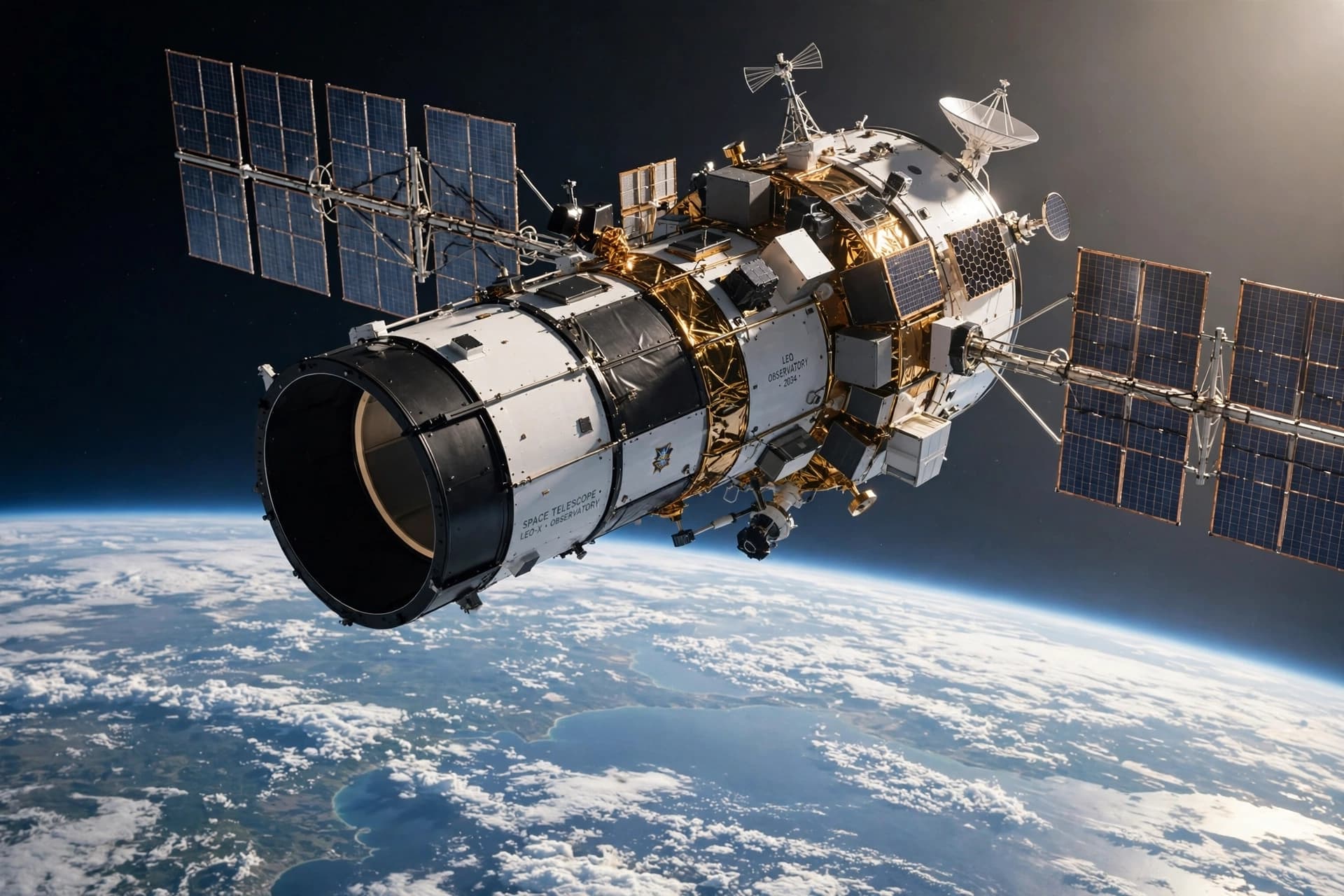
AI Image Disclaimer “Visuals are created with AI tools and serve as conceptual illustrations, not actual photographs.”
Sources Spaceflight Now (launch coverage)
Published by Banx Network. This article is part of the Banx decentralized media programme, powered by the BXE token on the XRP Ledger.