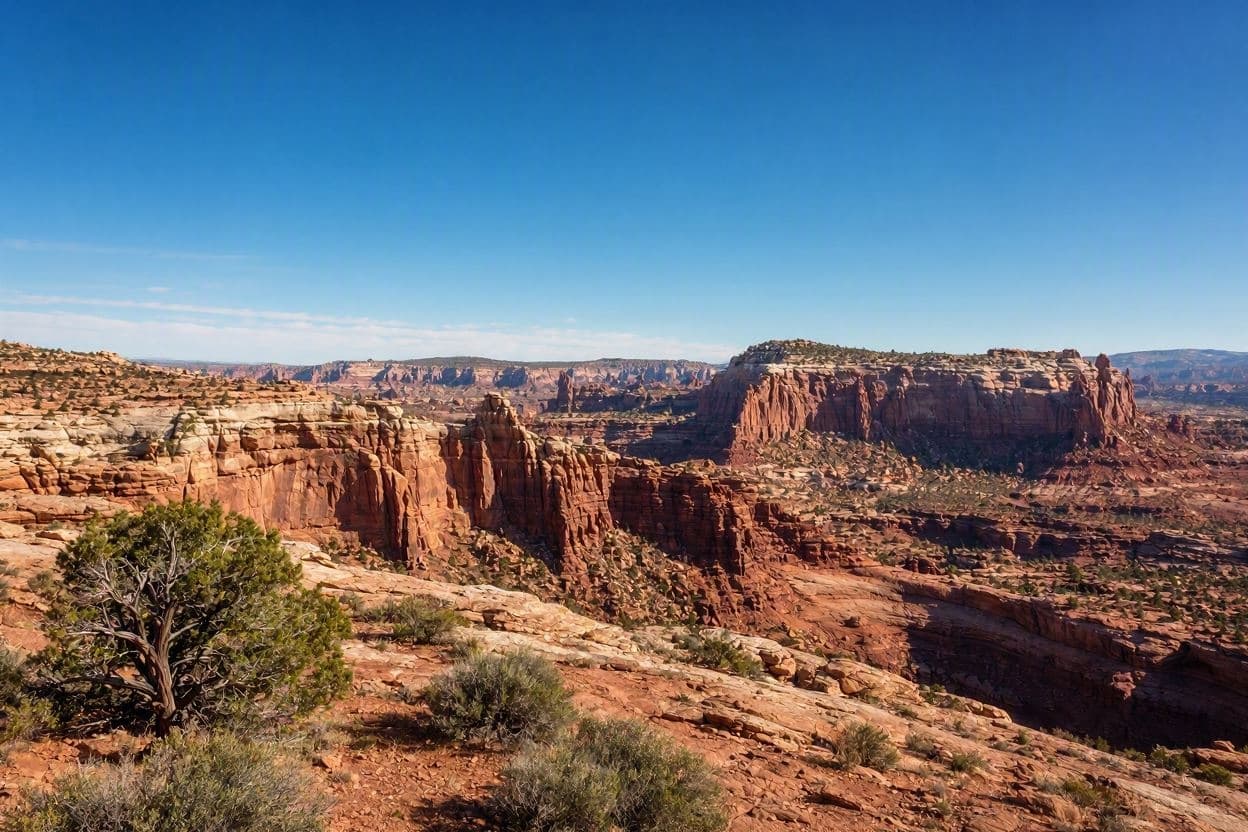
In the vast, red-rock landscapes of Utah, where silence speaks louder than words and the earth tells stories millions of years old, a legal battle has begun that echoes far beyond the canyon walls. Patagonia, the outdoor clothing company known for its fierce advocacy of environmental stewardship, has filed a lawsuit against the Trump administration. The contention centers on the significant reduction of protected lands, specifically the Bears Ears and Grand Staircase-Escalante National Monuments. This move is not merely a corporate dispute but a profound statement about the value of public lands and the responsibility to preserve them for future generations.
The decision to shrink these monuments, which was enacted through executive order, reversed decades of conservation efforts. For many, these lands are sacred, holding cultural significance for Native American tribes and serving as critical habitats for diverse wildlife. The reduction opened up millions of acres to potential mining, drilling, and other commercial activities. Patagonia’s lawsuit argues that such actions violate the Antiquities Act, which grants the president the power to create monuments but does not explicitly allow for their diminishment without congressional approval.
The legal argument rests on the interpretation of presidential authority. While the Antiquities Act of 1906 empowers the executive branch to protect historic and scientific interests, it remains silent on the ability to reverse those protections. Legal experts suggest that this ambiguity creates a constitutional tension between executive power and legislative intent. By challenging the reduction, Patagonia seeks to establish a precedent that once land is designated as a national monument, its status should be permanent unless changed by Congress.
Environmental groups and indigenous leaders have rallied behind the lawsuit, viewing it as a crucial defense of public heritage. They argue that the economic benefits of extraction industries are short-lived compared to the enduring value of conservation and tourism. The landscape itself is a resource, drawing visitors from around the world who seek solace and adventure in its untouched beauty. Protecting this asset is seen as an investment in sustainable economic growth rather than a hindrance to it.
The Trump administration defends its decision as a return to local control and economic opportunity. Proponents argue that federal restrictions stifle development and limit the ability of state and local governments to manage their own resources. They contend that multiple-use management can balance conservation with industry, providing jobs and revenue for rural communities. This perspective highlights the ongoing debate over how best to utilize America’s vast public lands.
As the case moves through the courts, it draws attention to the broader political divide over environmental policy. The outcome could influence how future administrations approach national monuments and public land management. It raises questions about the balance of power between the branches of government and the role of the judiciary in resolving policy disputes. The stakes are high, not just for Utah, but for the entire national park system.
For now, the red rocks stand silent, waiting for the verdict of the law. Whether the monuments will remain shrunk or be restored to their former boundaries depends on the interpretation of century-old statutes and the will of the courts. The lawsuit serves as a reminder that the protection of nature is often a fragile thing, requiring constant vigilance and legal fortitude.
Patagonia’s lawsuit against the Trump administration over the reduction of Utah’s national monuments highlights the ongoing legal and political struggle over the permanence of protected public lands and executive authority.
AI Image Disclaimer: Please note that any accompanying visuals for this report are artificially generated representations intended for illustrative purposes only.
Sources: The New York Times Reuters National Public Radio (NPR) Outside Online
Published by Banx Network. This article is part of the Banx decentralized media programme, powered by the BXE token on the XRP Ledger.