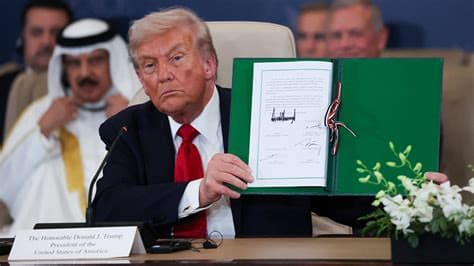
In the arena of American politics, money has long been a powerful voice, shaping narratives and influencing outcomes. Now, tech billionaire Elon Musk has entered this sphere with significant financial backing, directing millions toward specific Senate races in the upcoming midterm elections. His involvement marks a notable shift in the landscape of political philanthropy, blending technological influence with traditional campaign finance. As he reveals his key targets, the political world watches to see how his resources might tilt the balance in tightly contested states.
Musk’s strategy appears focused on candidates who align with his views on free speech, deregulation, and innovation. By supporting these individuals, he aims to foster a legislative environment conducive to his business interests and ideological preferences. The selection of Senate targets is strategic, focusing on races that could determine the majority control of the chamber. This level of targeted spending underscores the high stakes of the midterms and the growing role of individual mega-donors.
The recipients of this funding have welcomed the support, citing the need for resources to compete in expensive media markets. Campaign ads, digital outreach, and ground operations all require substantial investment. Musk’s contributions provide a boost that can amplify a candidate’s message and increase voter engagement. However, this association also brings scrutiny, as opponents question the implications of such concentrated wealth in the democratic process.
Critics argue that large donations from billionaires can distort political priorities, giving disproportionate influence to a select few. They worry that policy decisions may favor corporate interests over public welfare. Proponents, however, view Musk’s involvement as an exercise of free speech and civic engagement. They argue that individuals should be allowed to support causes and candidates they believe in, regardless of their net worth.
The impact of this spending extends beyond the immediate elections. It sets a precedent for future cycles, potentially encouraging other wealthy individuals to take a more active role in politics. This trend could reshape the donor landscape, moving away from traditional PACs toward direct individual contributions. The long-term effects on party dynamics and policy formulation remain to be seen.
Voters in the targeted states are now exposed to a surge of advertising and messaging funded by these millions. The clarity of the political discourse may be challenged by the volume of information, requiring citizens to critically evaluate sources and motives. Civic education and media literacy become essential tools for navigating this saturated environment.
As the election draws nearer, the effectiveness of Musk’s investment will be measured at the ballot box. Whether his preferred candidates succeed or fail, his entry into the fray has already altered the conversation. It highlights the evolving nature of political power in the digital age, where technology, wealth, and ideology intersect in complex ways.
Elon Musk’s significant financial contributions to key Senate races highlight the growing influence of individual billionaires in midterm elections, sparking debate over the role of wealth in American democracy.
AI Image Disclaimer: The images referenced in this piece are AI-created visualizations meant to evoke the setting, not direct documentation of the scientific data.
Sources: Bloomberg The Wall Street Journal Politico CNBC
Published by Banx Network. This article is part of the Banx decentralized media programme, powered by the BXE token on the XRP Ledger.