The Schengen Area was conceived as a testament to European unity, a zone where borders dissolve into mere lines on a map and travel flows as freely as conversation. Yet, recent diplomatic tensions have reminded us that these invisible boundaries can be redrawn with the stroke of a political pen. In a move that has rippled through the continent’s travel networks, Spain has reinstated border checks for travelers arriving from Italy. This decision, described as a reciprocal measure amidst a growing dispute over migration management in Ceuta, marks a significant departure from the spirit of open borders. It is a moment that invites reflection on the fragility of cooperation when national interests collide with shared humanitarian challenges.
The catalyst for this shift lies in the ongoing crisis in Ceuta, the Spanish enclave on the North African coast. Thousands of migrants have arrived in recent weeks, overwhelming local resources and sparking a heated debate within the European Union about responsibility and solidarity. Spain has accused Italy and other member states of failing to uphold their commitments under EU migration pacts, arguing that the burden falls disproportionately on frontline nations. In response, Madrid has chosen to assert its sovereignty by tightening controls at entry points from Italy, a symbolic yet practical gesture of dissatisfaction.
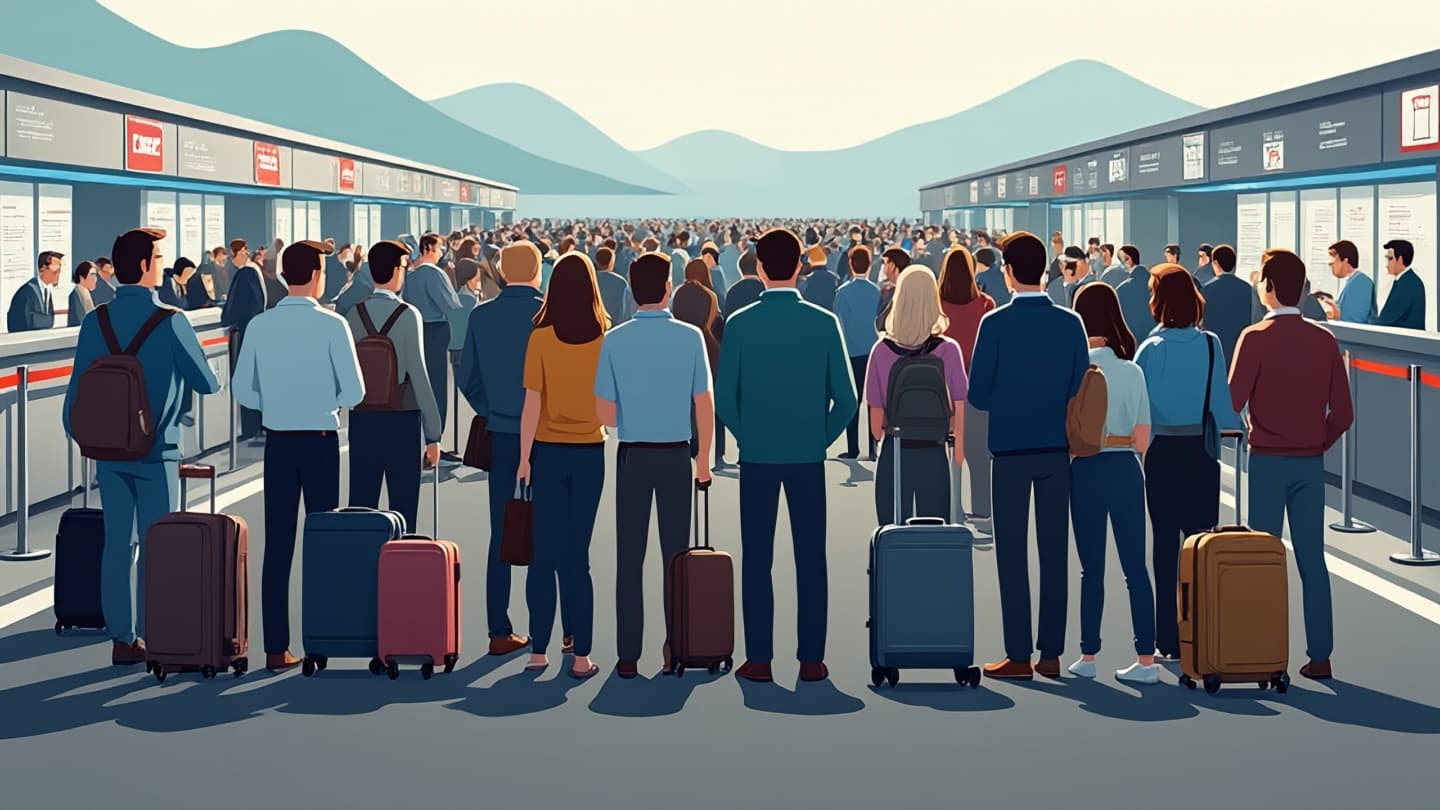
For travelers, the reintroduction of checks means longer wait times and additional scrutiny at airports and land crossings. While officials assure that the measures are temporary and targeted, the uncertainty creates anxiety for tourists and business people alike. The ease of movement, once taken for granted, is now subject to the whims of diplomatic maneuvering. This disruption serves as a tangible reminder of how high-level political disputes can impact the daily lives of ordinary citizens.
Italy has responded with criticism, viewing the move as disproportionate and harmful to bilateral relations. Roman officials argue that migration is a collective European challenge that requires unified solutions rather than unilateral actions. They emphasize the importance of maintaining the integrity of the Schengen Agreement, warning that fragmented responses could weaken the entire framework. The dialogue between the two capitals has become increasingly strained, reflecting broader divisions within the EU on how to handle external pressures.
Beyond the immediate travel implications, this episode highlights the deeper structural issues facing the European migration system. The lack of a consistent and equitable distribution mechanism continues to fuel resentment among member states. As long as some countries feel they are bearing the brunt of arrivals while others remain distant, tensions are likely to persist. The Ceuta crisis is merely the latest manifestation of a long-standing dilemma that tests the limits of European solidarity.
Experts suggest that sustainable solutions require not just policy adjustments but a shift in political culture. Trust must be rebuilt through consistent action and mutual support. Without this foundation, temporary measures like border checks may become more frequent, eroding the gains made since the inception of Schengen. The path forward demands patience, empathy, and a willingness to compromise.
The imposition of border checks by Spain is a significant event in European politics, signaling a fracture in the ideal of borderless travel. As negotiations continue, the hope is that dialogue will prevail over discord, restoring the free movement that defines the European project. Until then, travelers navigate a landscape where politics and passport controls intersect.
AI Image Disclaimer: The visual elements accompanying this report are AI-generated interpretations designed to reflect the diplomatic and travel context of the story.
Sources: Reuters Euronews The Guardian
Published by Banx Network. This article is part of the Banx decentralized media programme, powered by the BXE token on the XRP Ledger.

.jpg&w=3840&q=75 "Sally Rooney’s Books to Be Withdrawn From UK Sale Over Palestine Action Support")