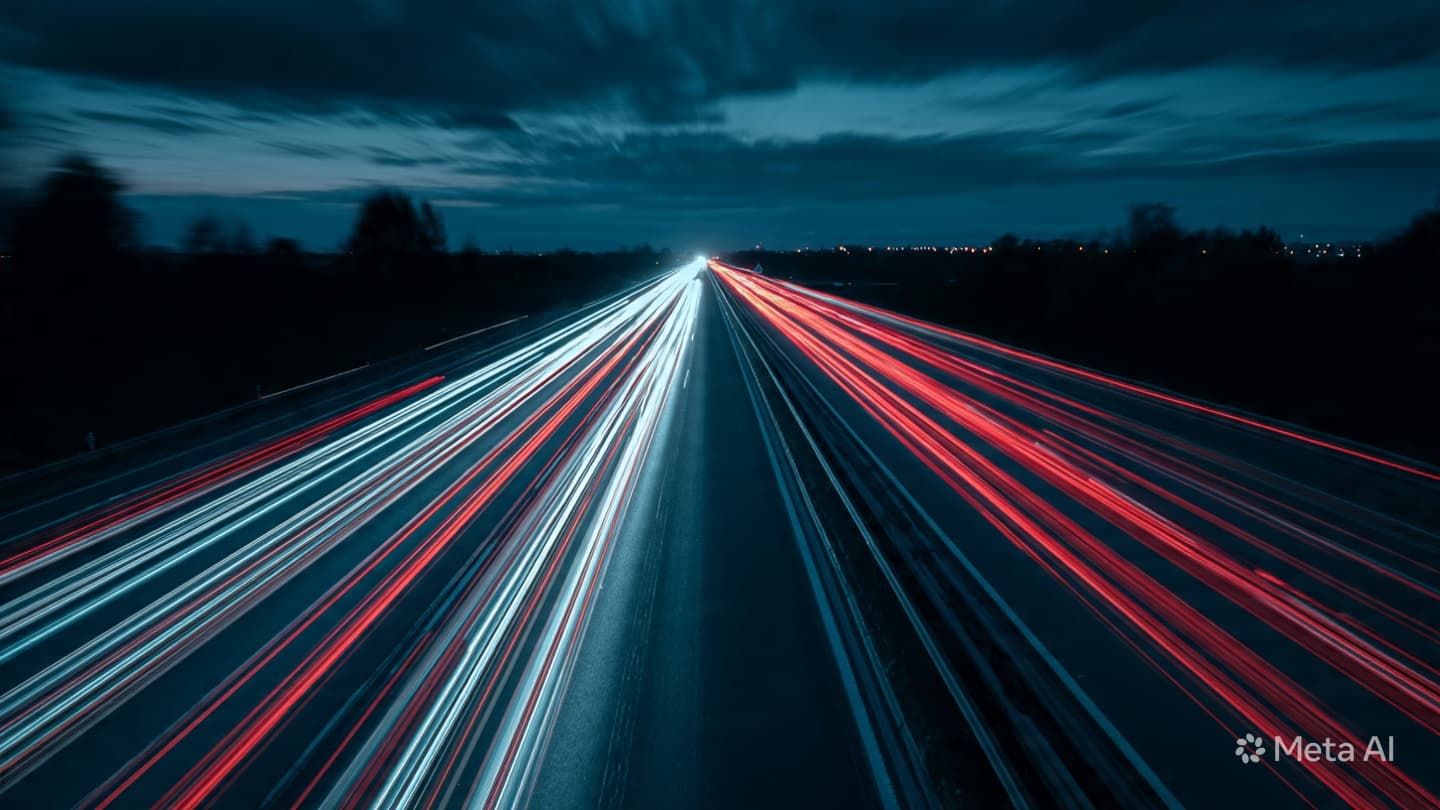
The motorway is a river of iron and intent, a continuous current of motion that defines the pace of modern existence. To travel the M60 is to participate in a grand, unspoken agreement—a synchronized dance of thousands, each driver tethered to the other by little more than proximity and purpose. When that rhythm is interrupted by the harsh, abrupt geometry of a collision, the world seems to pause, and the familiar landscape of the commute takes on a haunting, unfamiliar weight.
There is something inherently jarring about a tragedy occurring in a space designed for relentless progress. The highway, with its structured lanes and guiding lights, promises a sense of order, a reliable path from one point to another. Yet, the reality of the road is far more precarious than we often acknowledge. The intersection of speed and metal is a fragile equilibrium, one that can be upset in a heartbeat, leaving behind the silence of the aftermath.
Observers caught in the resulting stillness are forced into a sudden, unplanned reflection on the nature of their own journeys. The destination, once so clear and pressing, recedes into the background, replaced by the somber reality of a scene where time has effectively stood still. It is in these moments that we are reminded of the anonymity of the road, and how profoundly the lives of strangers can be intertwined by a single, unforeseen event.
The response to such an occurrence is a testament to the quiet, disciplined efforts of those who arrive to clear the wreckage and restore the flow. Blue lights pulsing against the dark creates a beacon, a signal of both urgency and care that cuts through the confusion. The workers who navigate this scene do so with a steady hand, performing the solemn tasks necessary to navigate the wreckage and provide a modicum of closure to the chaos.
As the news of the event ripples outward, it touches the lives of many who have traveled that same stretch of asphalt, creating a collective sense of pause. It is a reminder that every journey, no matter how routine, holds the possibility of the unexpected. The M60, a physical manifestation of our need for connection, becomes a site of shared grief, a place where the ordinary path is marked by an extraordinary loss.
To traverse this route now is to do so with a heightened awareness, a deeper sensitivity to the shared humanity of those behind the wheel. The road itself remains, indifferent to the lives it carries, yet for those who witnessed or learned of the tragedy, it is irrevocably changed. We move forward, carrying the memory of the event as a somber companion on our ongoing travels, recognizing the fragility that underpins our daily navigation.
The impact of such an incident resonates well beyond the concrete barriers, echoing in the homes and hearts of those left behind. It is a disruption that demands our attention, forcing a confrontation with the limitations of our control. In the soft light of the days following, there is a quiet call for reflection, for a collective acknowledgment of the lives lost and the sudden, irreversible silence that now defines that stretch of road.
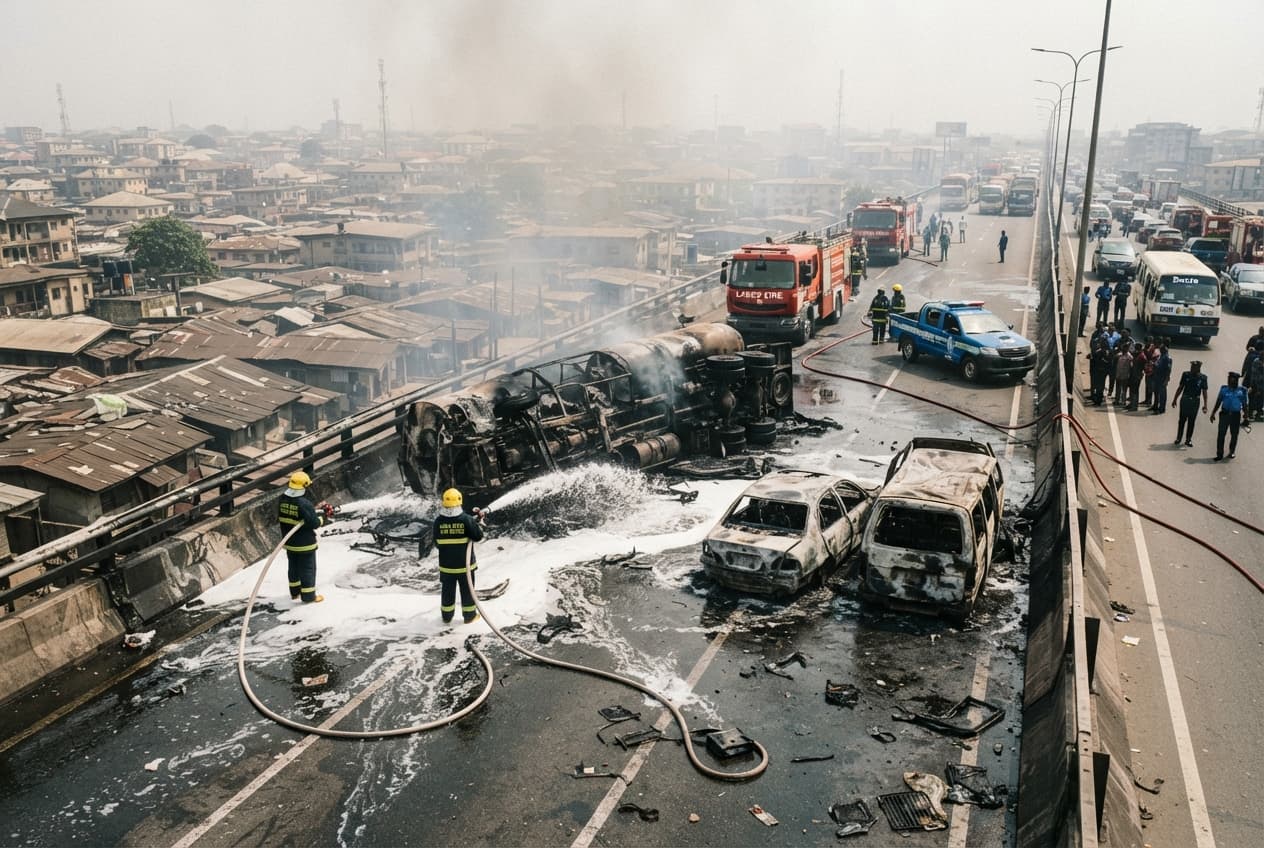
Authorities confirmed that a multi-vehicle collision occurred on the M60 motorway near Manchester. The incident resulted in the confirmed deaths of three individuals. Emergency teams managed the scene throughout the day, leading to significant traffic disruptions as investigators assessed the circumstances of the crash. The identities of the deceased have not been released, and the police investigation into the cause remains active.
Published by Banx Network. This article is part of the Banx decentralized media programme, powered by the BXE token on the XRP Ledger.