Key Highlights
- Incident:A passenger ferry capsized in the Amazon Basin near Manaus, Brazil, resulting in at least 10 fatalities.
- Rescue Efforts:Local fishermen and maritime rescue units worked to save survivors from the water.
- Investigation:Authorities have launched an inquiry into the vessel's safety compliance and operational practices.
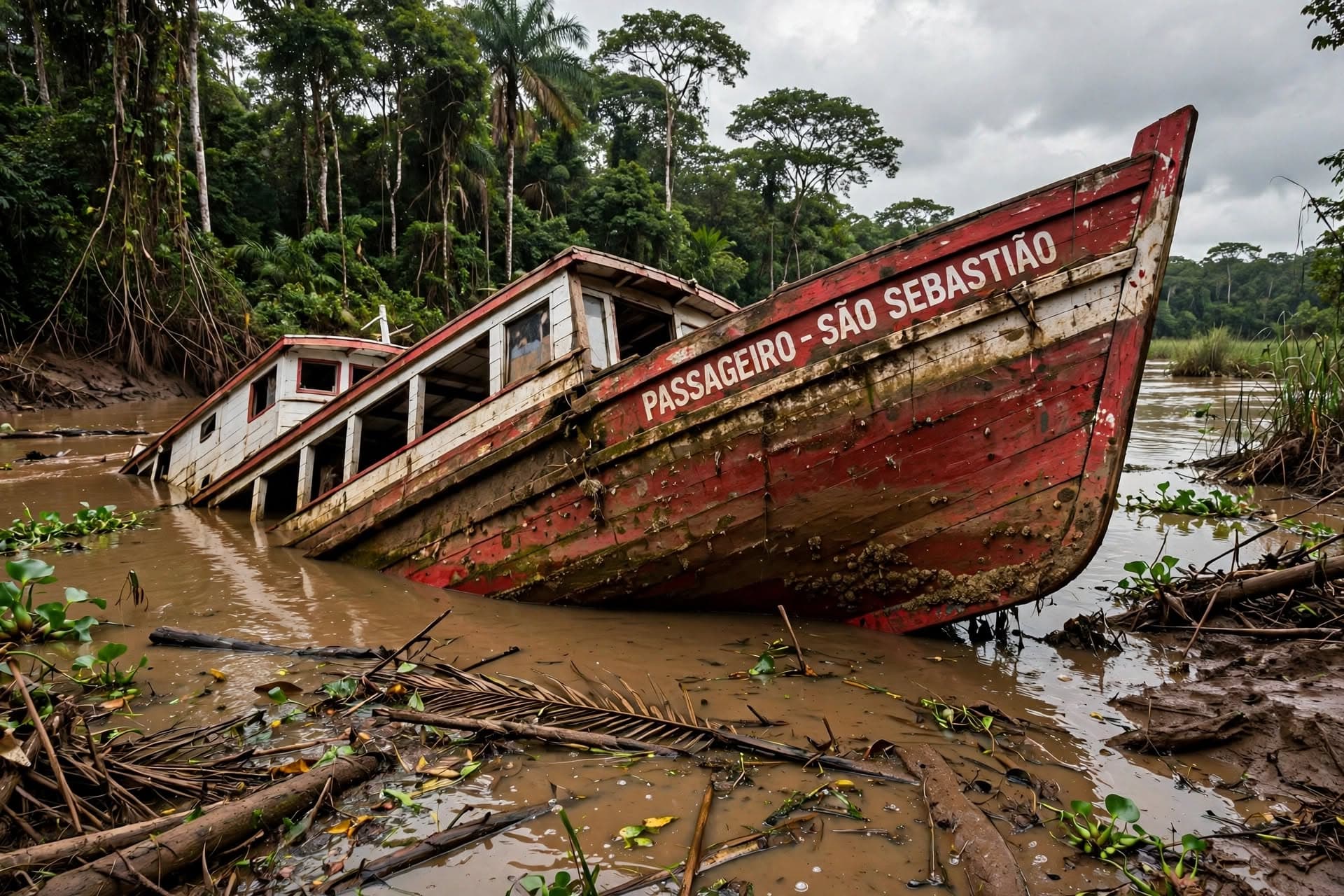
A tragic incident unfolded in the Amazon Basin near Manaus, Brazil, when a double-decked river passenger ferry capsized, leading to the deaths of at least 10 individuals. The ferry was navigating strong river currents along a busy commercial route when it began to list heavily before sinking rapidly. Eyewitnesses reported that the vessel went under in mere minutes, trapping several passengers inside its lower cabin.
Maritime rescue units, alongside local fishermen, were quick to respond, pulling survivors from the water as the ferry rolled onto its side. Emergency medical teams treated those rescued for hypothermia, acute shock, and near-drowning conditions on floating dock facilities. "The boat took on water from the lower stern deck before rolling," stated a patrol officer from the state river police, highlighting the rapid nature of the disaster.
In the aftermath of the capsizing, naval search vessels deployed sonar equipment and dive teams to inspect the submerged hull, which now rests on the riverbed. Authorities established a temporary processing center at the municipal port to facilitate victim identification and provide assistance to families affected by the tragedy. Local police cordoned off access points to the dock as ambulance units transported rescued individuals to urban medical centers for further treatment.
Specialized search dogs were utilized aboard rescue launches to scan floating debris fields, which had been swept downstream by the strong currents. The Brazilian Navy has initiated an administrative inquiry into the safety compliance of the ferry and its operational practices, particularly focusing on the cargo weight limits that informal river transport operators often exceed in the remote Amazonian waterways.
State emergency agencies have mobilized additional diving teams to support ongoing underwater search efforts within the sunken structure. However, river conditions remained hazardous throughout the afternoon due to high flow rates and low underwater visibility, complicating rescue operations. As night fell, search efforts were restricted, with naval units maintaining a perimeter around the wreck site until dawn.
This incident underscores the ongoing challenges of maritime safety in the Amazon, where informal transport services are prevalent and often operate under precarious conditions. The investigation into this tragedy will likely prompt discussions about regulatory measures and safety standards for river transport in the region, aiming to prevent future disasters.
Published by Banx Network. This article is part of the Banx decentralized media programme, powered by the BXE token on the XRP Ledger.