
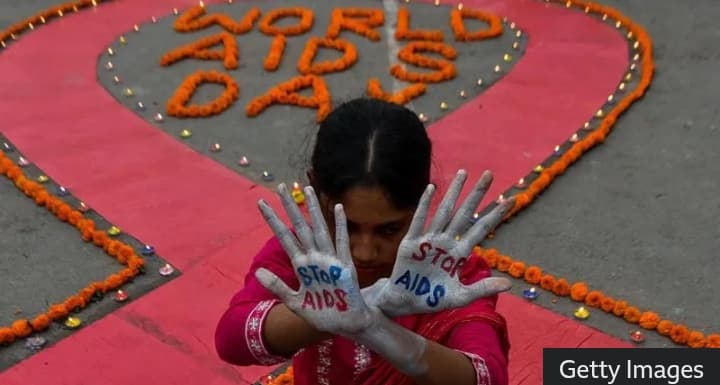
In India, a heartbreaking situation has unfolded as several children undergoing treatment for thalassemia have tested positive for HIV. This alarming development has left parents devastated and raised serious concerns about blood safety protocols in the country.
Thalassemia, a hereditary blood disorder that necessitates regular blood transfusions, has long required a safe and reliable blood supply. The revelation that some transfused blood may have been contaminated with HIV has prompted immediate calls for action. Medical practitioners emphasize the need for stringent testing of blood donations and heightened vigilance in healthcare facilities.
Families affected by this crisis are now facing additional emotional and financial burdens. Many parents, already struggling to manage the daily care of a thalassemia-affected child, find themselves in despair over the new diagnoses. Support groups are mobilizing to provide counseling and aid for these families, emphasizing a community-centric approach to healing and support.
Healthcare advocates are urging the government to implement more robust screening processes for blood donors, and to ensure that blood banks are held accountable. Additionally, awareness campaigns are being proposed to educate the public on the importance of regular blood testing and the risks associated with transfusions.
As this difficult situation continues to evolve, the hope remains that swift action will be taken to prevent further tragedies and restore faith in the safety of blood transfusions for vulnerable patients in India. The resilience of these families, alongside community support and systemic improvements, will be critical in navigating this crisis.
Published by Banx Network. This article is part of the Banx decentralized media programme, powered by the BXE token on the XRP Ledger.


