In the sun‑dappled hills of California, where palm trees sway above glittering tech campuses and Hollywood dreams, a new kind of storm is brewing—not one of weather, but of wealth and governance. The state that symbolizes innovation and opportunity now finds itself grappling with a bold idea: a proposed one‑time wealth tax on billionaires, intended to raise funds for healthcare, education, and social support in the face of deep fiscal pressure. Yet as advocates make their case at community halls and signature drives, a chorus of dissent arises from a powerful corner of society: California’s ultra‑wealthy.
The proposed tax, known as the 2026 Billionaire Tax Act, would levy a five‑percent charge on the net worth of residents whose assets exceed $1 billion as of January 1, 2026. If the initiative gathers enough signatures to qualify for the November ballot and voters approve it, the revenue could total as much as $100 billion for public services. Supporters argue that those who have benefited most from California’s economic engine should help sustain the systems that undergird that prosperity.
Yet for some of the state’s richest residents, the measure has sparked alarm—and action. A spate of billionaires has begun adjusting their ties to California, loosening business presences and relocating assets or operations to states with friendlier tax climates, such as Florida and Texas. Google co‑founders Larry Page and Sergey Brin have reportedly taken steps to shift companies and holdings out of California. Others linked to venture capital and tech industries are considering similar moves.
This trend reflects a broader tension at the heart of the debate: how to balance the needs of a state facing rising costs with the incentives that draw capital, innovation, and jobs. Opponents of the tax warn that a retroactive levy on wealth could prompt a significant exodus of top investors and startups, weakening California’s competitive edge and shrinking its tax base. In interviews and public comments, some leaders frame the proposed tax as a threat to entrepreneurship and long‑term growth.
But reactions are not uniform among the ultra‑wealthy. Nvidia CEO Jensen Huang, for instance, has publicly stated he is “perfectly fine” with the proposed tax, emphasizing a willingness to remain despite what would be a multibillion‑dollar contribution. His stance illustrates that not all high‑net‑worth individuals view the measure as a deal‑breaker.
For Californians from all walks of life, the tax debate brings into focus deeper questions about fairness, contribution, and community responsibility. Supporters see an opportunity to help stabilize vital public services while promoting a more equitable sharing of economic rewards. Critics see disruption and uncertainty, fearing that aggressive taxation will push capital and talent beyond the state’s borders. As signature drives progress and discussion intensifies, California finds itself at a crossroads, testing how it defines prosperity and the social contract that underpins it.
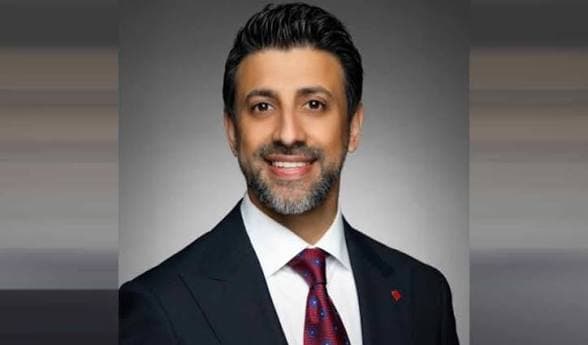
AI Image Disclaimer Visuals were created with AI tools and are intended for conceptual illustration only, not real event photographs.
Sources The Guardian — Coverage of California billionaire tax debate and relocation plans. Bloomberg — Reporting on billionaire exits amid wealth tax threat. Business Insider — Reactions of tech leaders and relocation activity. Legislative Analyst’s Office — Proposal details for the 2026 Billionaire Tax Act. Asia Times / Bloomberg interview — Nvidia CEO’s stance on paying the tax.
Published by Banx Network. This article is part of the Banx decentralized media programme, powered by the BXE token on the XRP Ledger.