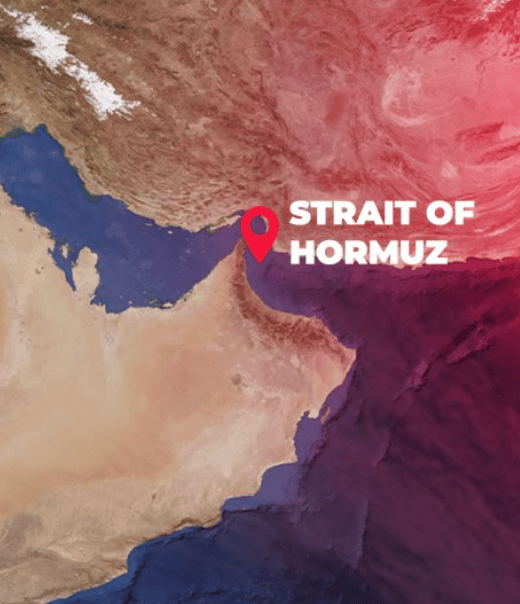
A statement attributed to Pakistan's prime minister has generated significant international attention after reports claimed that the United States and Iran have reached a peace agreement. According to the announcement circulating online, a formal signing ceremony is expected to take place in Switzerland on June 19, providing a potential diplomatic milestone in relations between two nations whose interactions have often been defined by confrontation and mistrust. The announcement quickly sparked widespread discussion among political analysts, investors, and international observers. Switzerland has historically served as neutral ground for sensitive negotiations and diplomatic engagements, making it a logical venue for any formal agreement involving parties seeking to reduce tensions while maintaining political independence. If confirmed, the agreement would represent the culmination of extensive diplomatic efforts involving multiple governments and intermediaries. Pakistan's reported role in communicating the development highlights the growing importance of regional actors in facilitating dialogue during periods of geopolitical uncertainty. Relations between Washington and Tehran have remained strained for decades due to disagreements over regional influence, sanctions, security concerns, and nuclear policy. Numerous attempts at dialogue have faced setbacks as changing political conditions, military incidents, and competing strategic priorities complicated negotiations. The prospect of a peace agreement has generated optimism among supporters of diplomacy who argue that direct engagement remains the most effective path toward long-term stability. Advocates believe that reducing tensions can create opportunities for economic cooperation, lower security risks, and improve conditions for broader regional development. Global energy markets are also closely watching developments. Iran occupies a strategically important position in international energy supply chains, and any easing of tensions could influence oil production expectations, transportation security, and investment decisions. Market participants frequently react to diplomatic signals involving major energy-producing nations, particularly when maritime trade routes are involved. Despite the optimistic headlines, experts emphasize the importance of verifying details through official channels. Diplomatic announcements often evolve rapidly, and the precise contents of any agreement remain crucial for understanding its long-term impact. Key issues likely include security commitments, economic arrangements, sanctions considerations, and mechanisms designed to prevent future disputes. International organizations and foreign governments are expected to evaluate any final agreement carefully. The effectiveness of the accord will depend not only on political declarations but also on implementation measures that ensure compliance and encourage continued cooperation. As anticipation builds around the reported signing ceremony, attention remains focused on whether the agreement can deliver lasting improvements in regional security and diplomatic relations. For now, the announcement has injected renewed optimism into discussions about peace, stability, and international cooperation.
Published by Banx Network. This article is part of the Banx decentralized media programme, powered by the BXE token on the XRP Ledger.