In Yemen, the hours before dawn often carry more than darkness. They hold memory, expectation, and the familiar awareness that quiet rarely lasts. Along the southern coast, where the sea meets checkpoints and flags change with circumstance, the sound of aircraft returned, cutting through a stillness that had learned to be cautious.
The Saudi-led coalition confirmed that it carried out airstrikes targeting positions linked to instability in southern Yemen. The strikes followed days of rising tension involving the Southern Transitional Council, a powerful faction that has long shaped the region’s uncertain balance. Shortly after the operation, reports circulated that STC leader Aidarous al-Zubaidi had left the area, fueling speculation about the immediate impact of the strikes on southern leadership dynamics.
Yemen’s south occupies a complicated space within the country’s long war. While the internationally recognized government maintains formal authority, control on the ground has often rested with local forces and shifting alliances. The STC, backed at various points by regional actors, has presented itself as both partner and rival within the broader coalition framework. In this landscape, airstrikes do not merely target locations; they signal recalibration.
Accounts of al-Zubaidi’s departure remain unconfirmed by independent sources, and his aides have not issued public statements clarifying his whereabouts. For supporters, his absence suggests a temporary repositioning amid heightened risk. For critics, it raises questions about cohesion and command at a moment when pressure is being applied from above rather than across negotiating tables.
The coalition has framed the strikes as necessary to preserve stability and deter actions seen as threatening to unity. At the same time, humanitarian observers continue to warn that renewed military activity risks deepening civilian vulnerability in a country already exhausted by years of conflict. Each escalation, however limited in scope, carries consequences beyond its stated objective.
As daylight reached the streets of Aden and surrounding areas, daily life resumed with familiar restraint. Shops opened, traffic moved cautiously, and conversations returned to the same unresolved themes. Officially, the coalition has not announced further operations, and no casualty figures have been released.
What remains is a moment suspended between action and explanation. The strikes have occurred, the reports have spread, and the political terrain has shifted slightly once again. In Yemen, where conflict often advances in increments rather than conclusions, even brief episodes leave lasting impressions on the air.
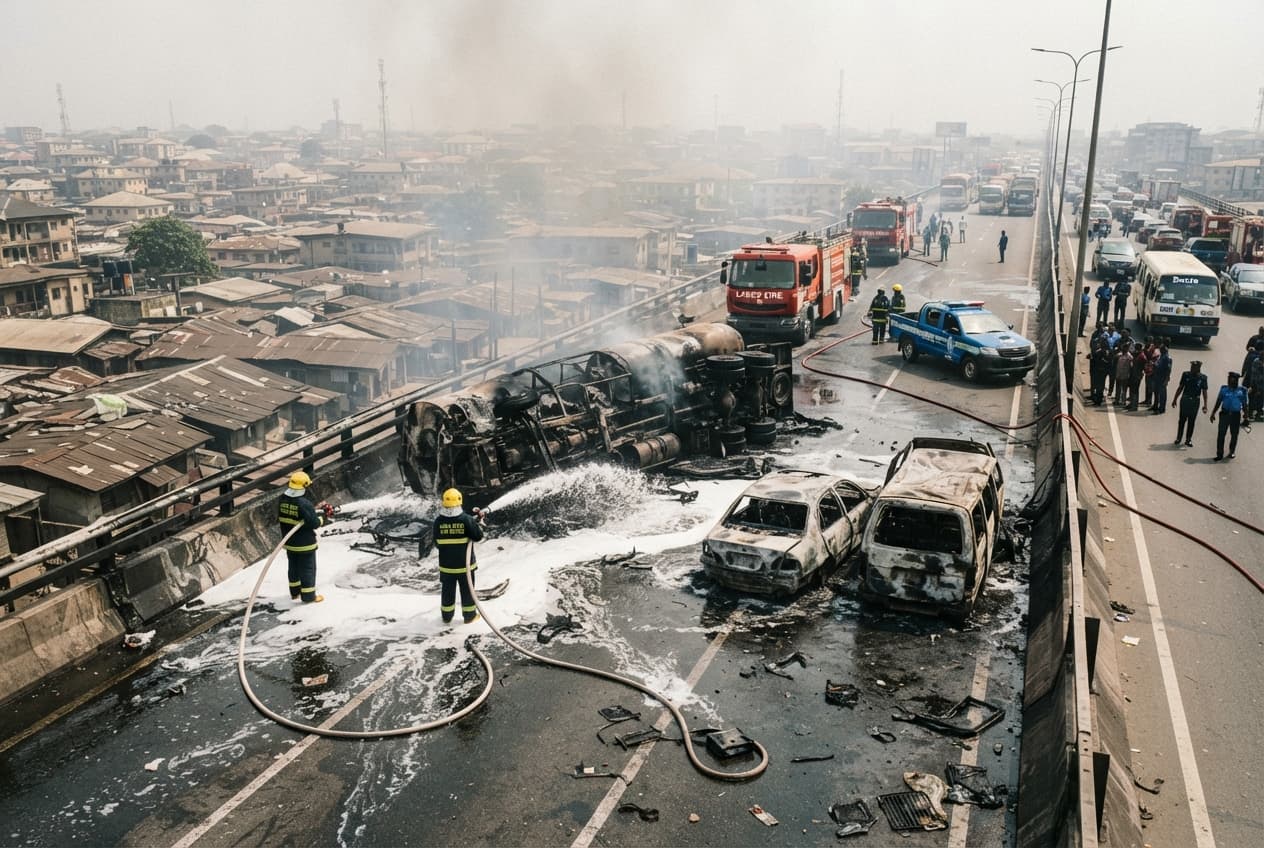
AI Image Disclaimer Visuals are AI-generated and serve as conceptual representations.
Published by Banx Network. This article is part of the Banx decentralized media programme, powered by the BXE token on the XRP Ledger.