Key Highlights
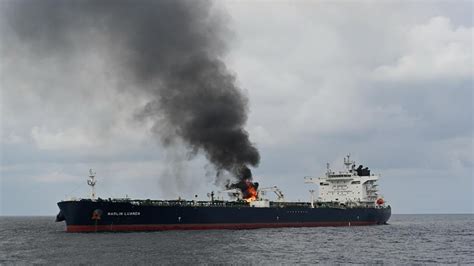
- Ongoing Attacks:Tankers in the Strait of Hormuz continue to be targeted despite hopes for de-escalation in the Iran conflict.
- Market Impact:Crude oil prices have dropped to a two-month low amid changing U.S. military posture.
- Data Insights:Reports indicate that 37 ships were attacked in October, highlighting the ongoing risks in the region.
The situation in the Middle East remains tense as attacks on tankers persist, undermining hopes for a peaceful resolution to the ongoing conflict involving Iran. Recent strikes in the Strait of Hormuz have raised alarms among energy analysts and market observers, who had anticipated a reduction in hostilities following diplomatic overtures. Despite these expectations, the reality on the ground tells a different story, with fresh evidence of assaults on maritime vessels and energy infrastructure.
On Tuesday, crude oil prices fell to their lowest point in two months, a decline attributed to a shift in the U.S. government's military stance towards Iran. U.S. officials have downplayed the necessity for immediate military action, which has contributed to a temporary easing of market fears. Analysts suggest that this change in tone from the Biden administration, particularly following the Republicans' defeat in the November midterm elections, has influenced market dynamics. However, the ongoing attacks indicate that the threat to shipping in the region remains significant.
According to data from the Washington Institute, a total of 37 ships were targeted in October alone. This alarming statistic underscores the precarious situation for maritime operations in the Strait of Hormuz, a critical chokepoint for global oil shipments. The continued assaults not only threaten the safety of vessels but also have broader implications for energy security and regional stability.
The geopolitical landscape in the Middle East is complex, with various actors involved in the ongoing conflict. The Iranian government has been accused of orchestrating these attacks as a means of exerting pressure on its adversaries and asserting its influence in the region. As tensions escalate, the international community watches closely, weighing the potential for further military engagement against the backdrop of diplomatic efforts.
In light of these developments, stakeholders in the energy sector are urged to remain vigilant. The volatility in crude oil prices reflects the uncertainty surrounding the situation, and any further escalation could have significant repercussions for global markets. As the world grapples with the implications of these attacks, the hope for de-escalation remains tenuous at best, with the potential for renewed conflict looming on the horizon.
Published by Banx Network. This article is part of the Banx decentralized media programme, powered by the BXE token on the XRP Ledger.