In the quiet intensity of a jury room, where twelve strangers must find consensus on matters of life and death, the weight of responsibility is palpable. The trial of Lindsay Clancy, accused of killing her three young children, ended in a mistrial after days of deadlock. Now, one juror has come forward, revealing that he never wavered in his belief of her guilt. His statement offers a rare glimpse into the deliberative process, highlighting the complexities of justice and the human elements that shape legal outcomes.
The juror, identified as Michael Desronvil, stated that from the very first day of deliberations, he believed Clancy was guilty of murder. While eight other jurors initially leaned toward a verdict of not guilty by reason of insanity, Desronvil remained steadfast. He described the deliberations as intense and often emotional, with jurors grappling with the tragic facts of the case and the legal definitions of criminal responsibility.
Desronvil’s perspective contrasts sharply with the defense’s argument, which centered on Clancy’s severe postpartum psychosis. He acknowledged the mental health struggles presented in court but argued that they did not absolve her of accountability. "I didn't have any doubts," he said, emphasizing his conviction that Clancy understood her actions. His stance ultimately prevented a unanimous verdict, leading the judge to declare a mistrial and leaving the case in limbo.
The revelation has sparked discussion about the role of individual conscience in jury decisions. In a system that requires unanimity for a conviction, a single holdout can halt the entire process. Desronvil’s willingness to speak out provides insight into the pressures faced by jurors and the moral dilemmas they encounter. It raises questions about whether the current system adequately balances mercy and justice in cases involving mental illness.
Legal experts note that mistrials in high-profile cases are not uncommon, but they often leave victims’ families in a state of prolonged uncertainty. For the Clancy family, the lack of a verdict means no closure, only the prospect of another trial. Prosecutors have not yet decided whether to retry the case, adding to the anxiety of all involved. The community watches and waits, hoping for a resolution that honors the lives lost.
Desronvil’s account also highlights the importance of clear jury instructions. Judges play a crucial role in guiding jurors through complex legal standards, ensuring that decisions are based on law rather than emotion. In this case, the interpretation of "not guilty by reason of insanity" became a focal point of disagreement. The differing views among jurors reflect the challenging nature of applying abstract legal concepts to deeply human tragedies.
As the legal proceedings pause, the public discourse continues. Mental health advocates emphasize the need for better support systems for new mothers, while others call for stricter accountability in cases of filicide. The Clancy trial has become a touchstone for these broader societal debates, illustrating the intersection of law, medicine, and morality. It is a reminder that justice is not just a legal outcome but a social process.
The story of the holdout juror in the Lindsay Clancy trial is a testament to the complexity of the judicial system. While the mistrial leaves many questions unanswered, it also opens a space for reflection on how we handle cases involving mental health and tragedy. As the community awaits the next steps, the voice of one juror reminds us of the profound responsibility carried by those who serve in the name of justice.
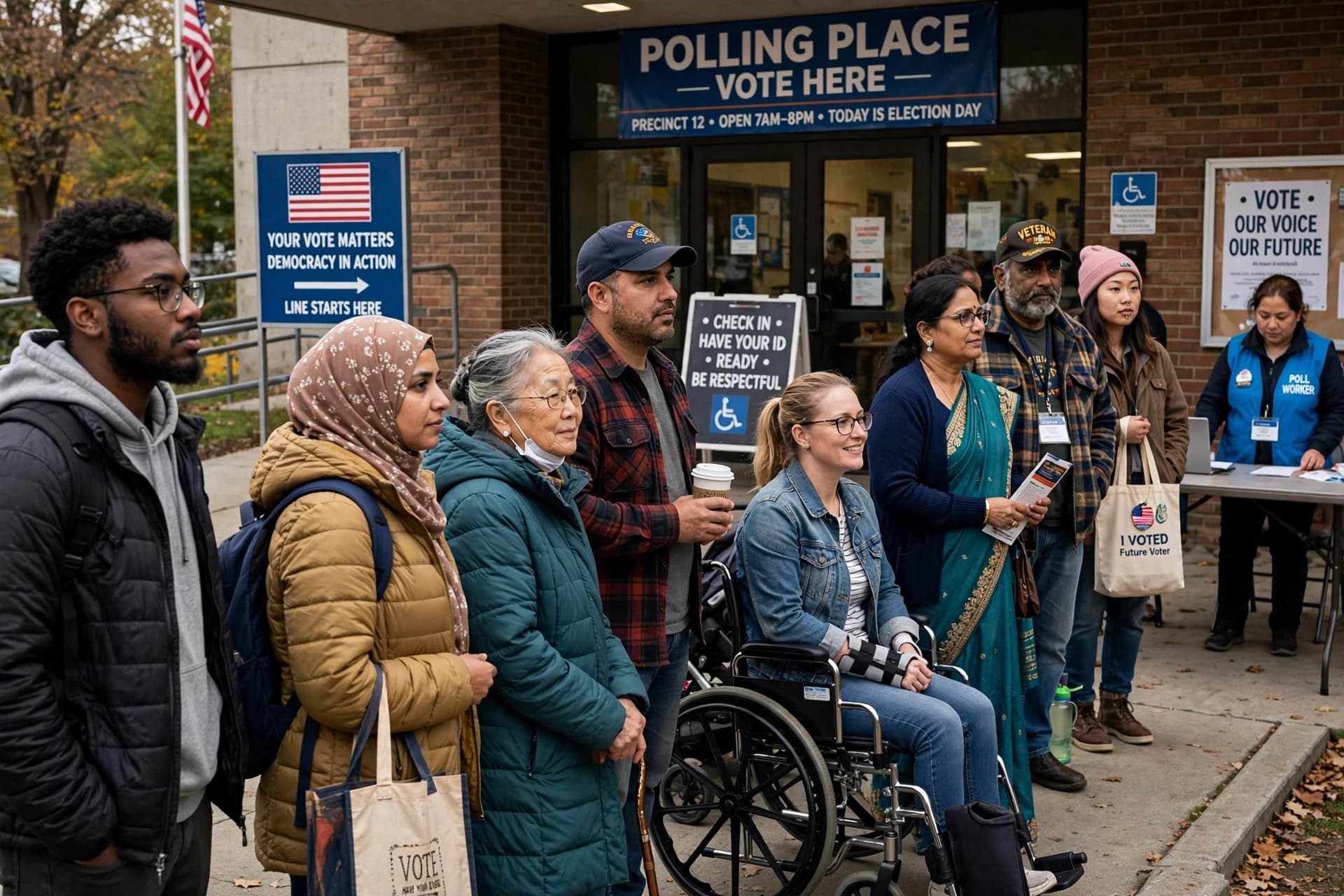
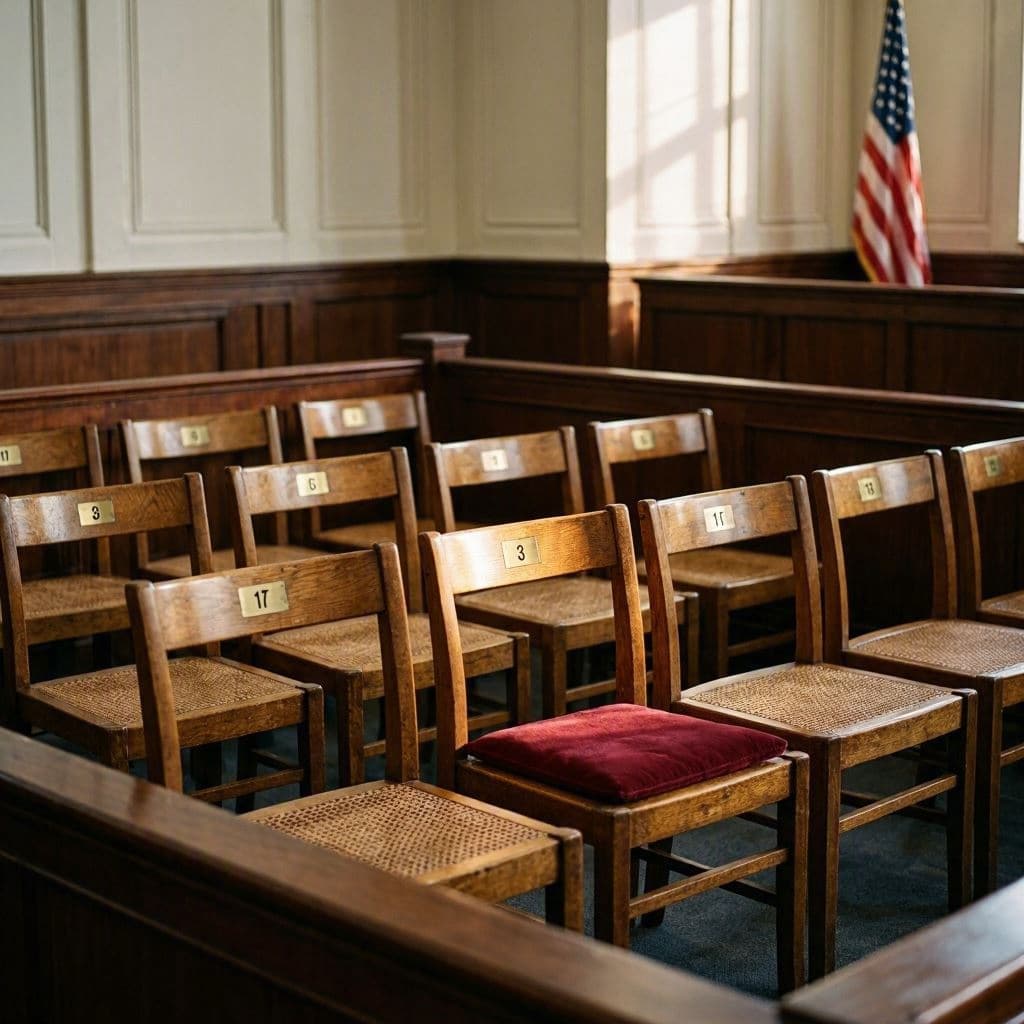
AI Image Disclaimer: The visuals associated with this piece are AI-generated illustrations created to complement the narrative.
Sources: NewsNation, The Hill, CNN, Temple University Law Review, Facebook Groups
Published by Banx Network. This article is part of the Banx decentralized media programme, powered by the BXE token on the XRP Ledger.