In the democratic process, the integrity of the vote is sacrosanct, a foundation upon which trust in government is built. The upcoming referendum in Alberta, which includes a question on requiring proof of citizenship for voting, has sparked a vigorous debate about security and accessibility. While the proposal aims to bolster confidence in the electoral system, experts point to data suggesting that voter fraud, particularly based on citizenship, is exceedingly rare. This contrast between perception and reality invites a reflective look at how societies balance vigilance with inclusivity.
The referendum question is part of a broader set of proposals aimed at giving the province more control over immigration and electoral processes. Proponents argue that requiring proof of citizenship is a logical step to ensure that only eligible individuals participate in deciding the region’s future. It appeals to a sense of fairness and order, resonating with voters who value strict adherence to rules. For many, it is a symbolic gesture that reinforces the importance of civic identity.
However, election officials and legal experts caution that the problem being solved is largely hypothetical. Data from Elections Alberta and other jurisdictions indicate that instances of non-citizens voting are virtually nonexistent. The existing verification processes, which rely on trusted identification documents, have proven effective in maintaining integrity without imposing additional burdens on voters. Introducing new requirements may therefore address a phantom threat while creating real barriers for legitimate participants.
The concern is that stricter rules could disproportionately affect certain groups, such as Indigenous peoples, seniors, or new citizens who may face challenges in obtaining specific documentation. These hurdles, however small, can discourage participation and undermine the very democracy the measures seek to protect. The debate thus shifts from security to accessibility, asking whether the cost of added bureaucracy is worth the marginal gain in perceived safety.
Public perception of fraud often diverges from statistical reality, driven by misinformation and political rhetoric. Studies show that when people believe fraud is common, they are more likely to support restrictive measures, even if evidence suggests otherwise. This psychological factor plays a significant role in the referendum’s dynamics, making it as much about feelings of security as about actual risk. Addressing this gap requires transparent communication and education.
The Canadian Bar Association and other legal bodies have raised questions about the constitutional validity of such requirements, noting that they may conflict with Charter rights. The potential for legal challenges adds another layer of complexity, suggesting that the implementation of any new rule would be subject to rigorous judicial scrutiny. This legal landscape serves as a check on hasty decisions, ensuring that changes align with fundamental principles of justice.
As the referendum approaches, voters are faced with the task of weighing these competing considerations. Do they prioritize the symbolic assurance of stricter rules, or do they value the ease and inclusivity of the current system? The answer will reflect the community’s values and its trust in existing institutions. It is a choice that goes beyond the ballot box, touching on deeper notions of belonging and fairness.
The Alberta referendum on proof of citizenship for voting is a moment of introspection for the province. It highlights the tension between the desire for security and the need for accessibility in a democratic society. As residents cast their votes, they contribute to a dialogue that will shape the future of electoral integrity, reminding us that trust is built not just on rules, but on transparency and inclusion.
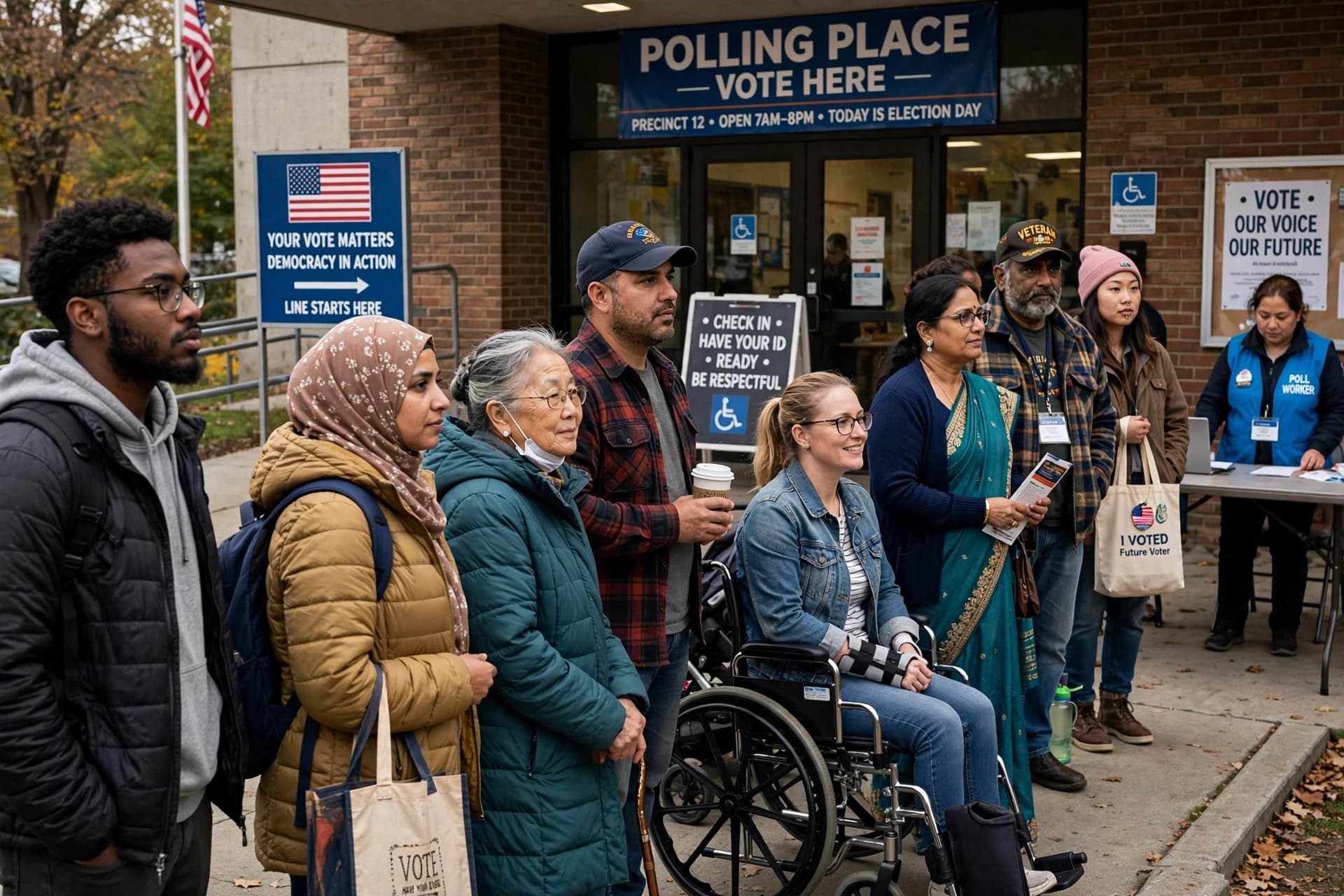
AI Image Disclaimer: The visual representations in this article are AI-generated illustrations designed to convey the thematic elements of voting and civic engagement, not actual photos of the referendum or ballots.
Sources: CBC News Elections Alberta Canadian Bar Association Global News
Published by Banx Network. This article is part of the Banx decentralized media programme, powered by the BXE token on the XRP Ledger.