In the bustling streets of Delhi, where protest and policy often collide, an ordinary citizen found themselves at the center of an extraordinary moment. What began as a routine demonstration escalated into a standoff with authorities, leading to the emergence of an "accidental hero" who stood firm against overwhelming odds. This individual’s act of defiance, captured on video and shared widely, has sparked a national conversation about courage, civil rights, and the power of individual agency.
The incident highlights the tension between state authority and public dissent in modern India. It serves as a reminder that history is often shaped not by grand gestures alone, but by the quiet resolve of those who refuse to back down in the face of injustice.
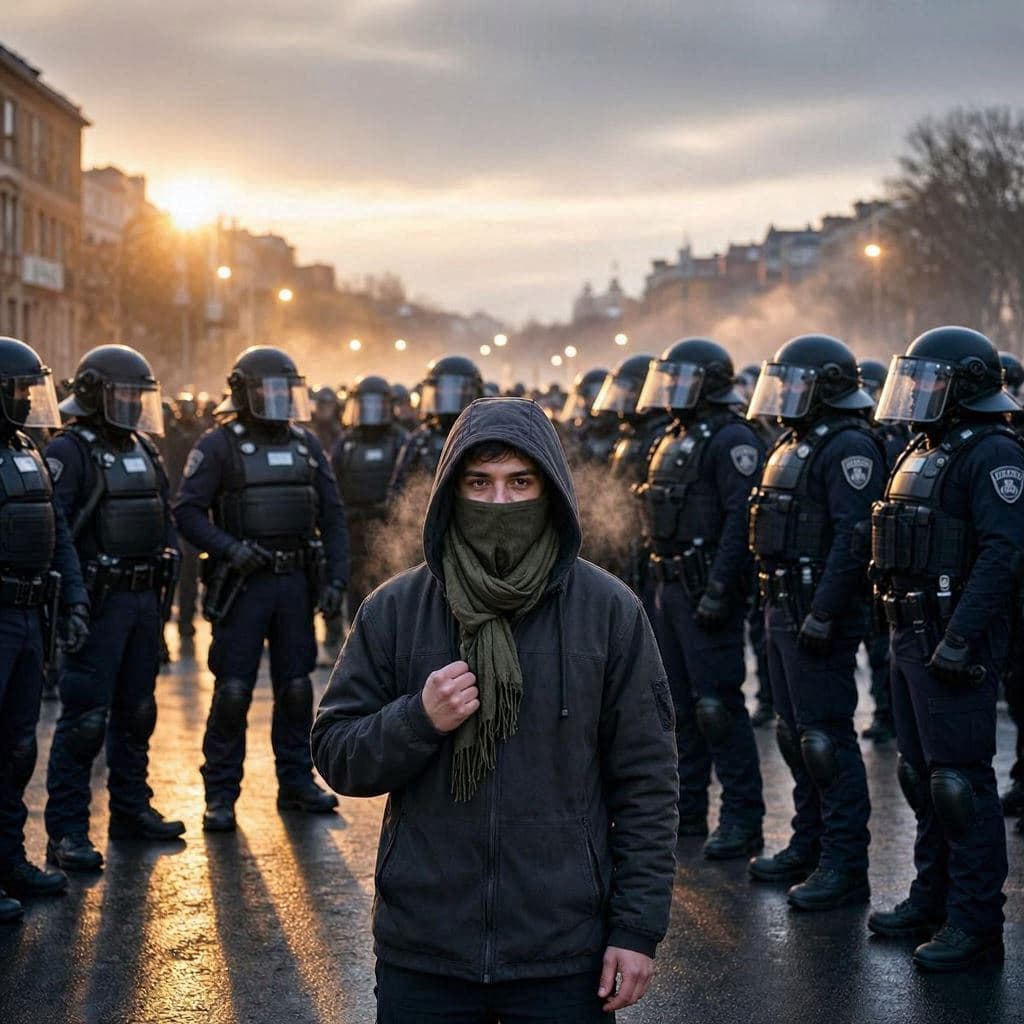
Body: The event occurred during a large-scale protest against new agricultural policies, which farmers and activists argued would undermine their livelihoods. As police moved to clear the area, one protester remained stationary, blocking the path of advancing officers. This simple act of non-violent resistance became a symbol of the broader movement, drawing attention from media outlets across the country.
Social media played a crucial role in amplifying the story. Videos of the standoff went viral, with users praising the individual’s bravery and calm demeanor. The term "accidental hero" was coined to describe someone who did not seek fame but found themselves thrust into the spotlight due to their principles. This digital solidarity provided a sense of protection and validation for the protester.
The government’s response was mixed, with some officials condemning the obstruction while others called for dialogue. The incident forced a reevaluation of crowd control tactics and the handling of peaceful protests. It highlighted the need for mechanisms that allow for dissent without escalating into conflict.
For the protester, the aftermath has been life-changing. They have received threats but also an outpouring of support from citizens who see their action as representative of their own frustrations. The individual has since become a spokesperson for the movement, using their platform to advocate for policy changes and greater transparency.
Legal experts note that such cases test the boundaries of constitutional rights. The right to protest is protected in India, but its exercise is often contested in practice. The outcome of any legal proceedings against the protester could set important precedents for future civil disobedience.
The broader context of the agricultural reforms adds depth to the story. Farmers have been struggling with debt and low prices, making the stakes of the protest deeply personal. The accidental hero’s stand resonated because it reflected the collective anxiety and determination of a large segment of the population.
International observers have also taken note, viewing the incident as a barometer of democratic health in India. The ability of citizens to challenge authority peacefully is seen as a key indicator of a vibrant democracy. The global attention has added pressure on the government to respond constructively.
As the movement continues, the legacy of this accidental hero remains uncertain. Whether it leads to tangible policy changes or serves as a momentary spark, the act itself has already inspired others to find their own voices.
Closing: The story of the accidental hero in India is a testament to the power of individual courage. It reminds us that even in the face of immense pressure, one person’s stand can ignite a broader call for justice and change.
AI Image Disclaimer: The visuals in this article are AI-generated illustrations designed to reflect the themes of protest and individual resilience.
Sources: The Guardian Al Jazeera BBC News The Wire India
Published by Banx Network. This article is part of the Banx decentralized media programme, powered by the BXE token on the XRP Ledger.