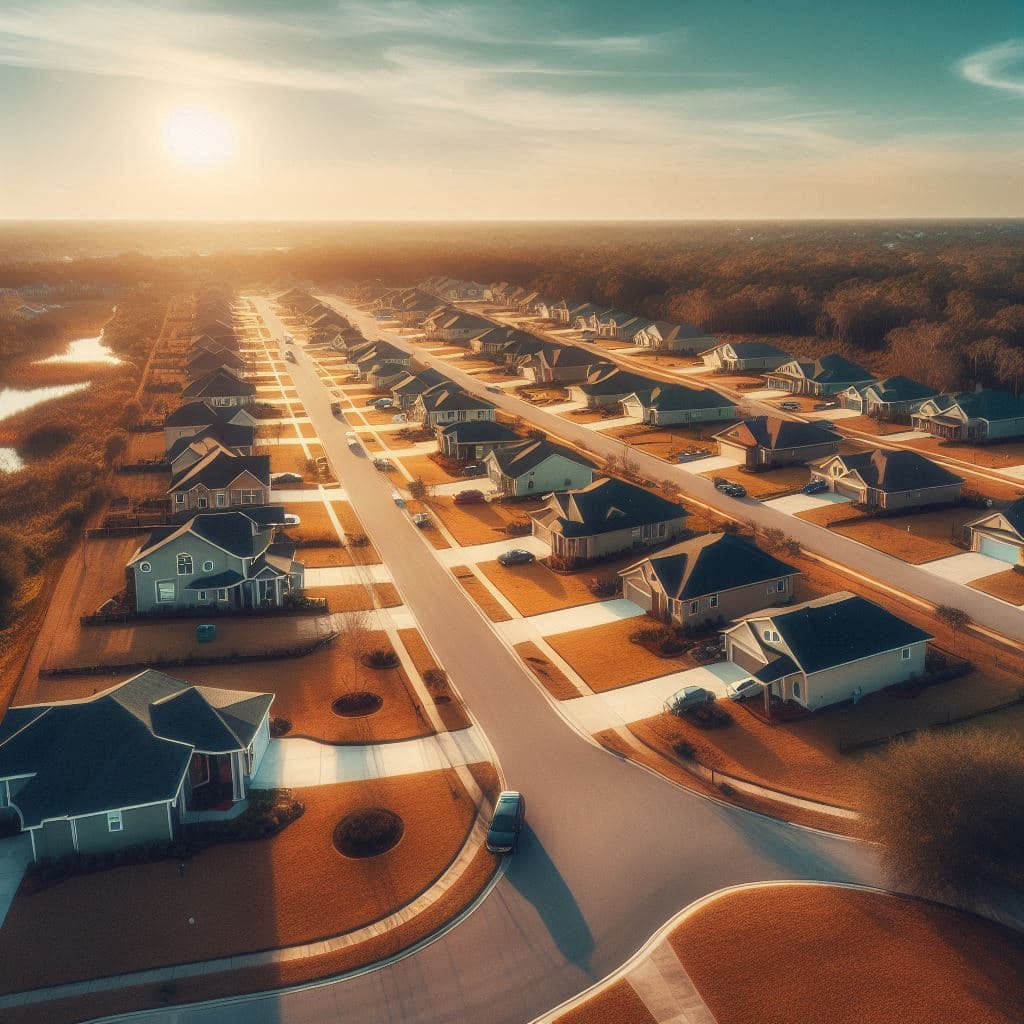
By late afternoon, the lawns of Tampa Bay have begun to change color. What was once a uniform green now breaks into shades of straw and dust, the soil tightening beneath the sun as if holding its breath. Sprinkler systems, once a background sound of suburban routine, fall mostly silent.
As the region’s drought stretches on, local officials have tightened watering restrictions, limiting residents to a single day per week. The decision is less a sudden intervention than a measured acknowledgment of conditions already visible in canals, retention ponds, and shrinking reservoirs. Water, for the moment, has become something to be paced.
Rain has arrived sporadically this season, but not with the consistency needed to replenish groundwater and surface supplies. Dry weeks have accumulated quietly, and evaporation has done the rest. Officials say the restriction is intended to slow demand rather than signal crisis, a way to stretch existing resources while waiting for weather patterns to shift.
Tampa Bay’s water system is a careful balance of rivers, aquifers, and reservoirs, all managed with an eye toward long-term stability. When rainfall falters, the margin narrows. Limiting outdoor irrigation—one of the most water-intensive daily uses—offers immediate relief, even if the impact feels personal in yards and gardens across the region.
For residents, the adjustment alters small rituals. Lawns are watered deliberately or not at all. Plants are moved into shade. Conversations turn to drought-tolerant landscaping, to native species better suited to Florida’s cycles of abundance and restraint. What looks like inconvenience at ground level reflects a larger recalibration underway.
Officials emphasize that the restriction is temporary and will be reassessed as conditions evolve. Compliance, they note, matters less as enforcement than as collective participation. Water systems respond not just to policy, but to behavior repeated across thousands of households.
Droughts in Florida rarely resemble those of the American West. They arrive without cracked earth or empty rivers, often masked by humidity and heat. Yet their effects are no less real, accumulating gradually until restraint becomes necessary.
For now, the rule is simple: one day a week, measured use, patience. The landscape adjusts slowly, waiting for the return of sustained rain. Until then, Tampa Bay learns again what it means to share a limited resource, quietly and together.
AI Image Disclaimer Illustrations were created using AI tools and serve as conceptual representations.
Sources Tampa Bay Water Southwest Florida Water Management District National Weather Service Florida Department of Environmental Protection
Published by Banx Network. This article is part of the Banx decentralized media programme, powered by the BXE token on the XRP Ledger.