
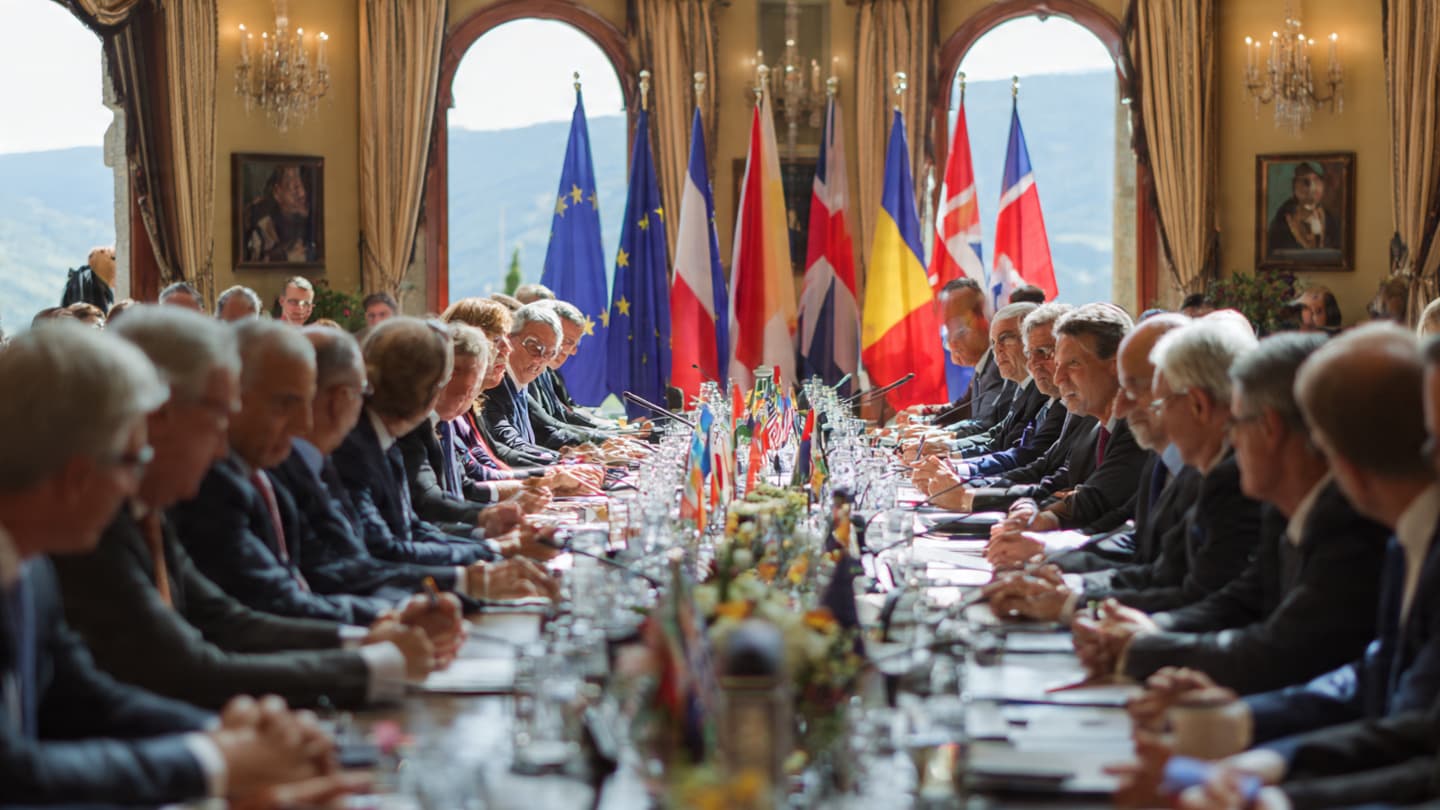
A union of nations is often compared to an orchestra. Each instrument contributes to the larger performance, yet not every note is played in the same way. Across Europe, discussions about future relations with Russia have highlighted the challenges of maintaining unity while accommodating diverse national perspectives.
Recent debates among European leaders have revealed differing views regarding diplomatic engagement with Moscow. While some policymakers advocate maintaining strong pressure through sanctions and political isolation, others have expressed support for limited dialogue aimed at reducing tensions.
The discussion takes place against the backdrop of the ongoing conflict involving Ukraine. Since the outbreak of war, European governments have implemented extensive sanctions and coordinated various forms of political, economic, and humanitarian support.
Countries located closer to Russia's borders have generally emphasized caution, citing security concerns and historical experiences. For many of these governments, maintaining a firm position remains an essential element of regional stability.
Meanwhile, some political leaders argue that communication channels should remain open even during periods of disagreement. They contend that diplomacy can serve as a tool for crisis management and may help prevent misunderstandings from escalating into broader confrontations.
The debate reflects the complexity of European policymaking. The European Union consists of member states with different economic interests, security priorities, and domestic political considerations, all of which shape foreign policy discussions.
Economic factors also influence the conversation. Energy markets, trade relationships, and long-term economic planning continue to be affected by the broader geopolitical environment surrounding Russia and Europe.
Observers note that disagreement within democratic institutions is not unusual. In many cases, policy differences are part of a broader process through which governments evaluate risks, opportunities, and strategic objectives.
As discussions continue, European leaders face the challenge of balancing unity with national priorities. The outcome of these debates may influence the future direction of European foreign policy and its relationship with Russia for years to come.
AI Image Disclaimer: Illustrative images accompanying this report are AI-generated and are intended solely to provide visual context for the topic discussed.
Sources Verification Check Verified through:
Reuters Politico Europe BBC News Financial Times Euronews
Published by Banx Network. This article is part of the Banx decentralized media programme, powered by the BXE token on the XRP Ledger.


