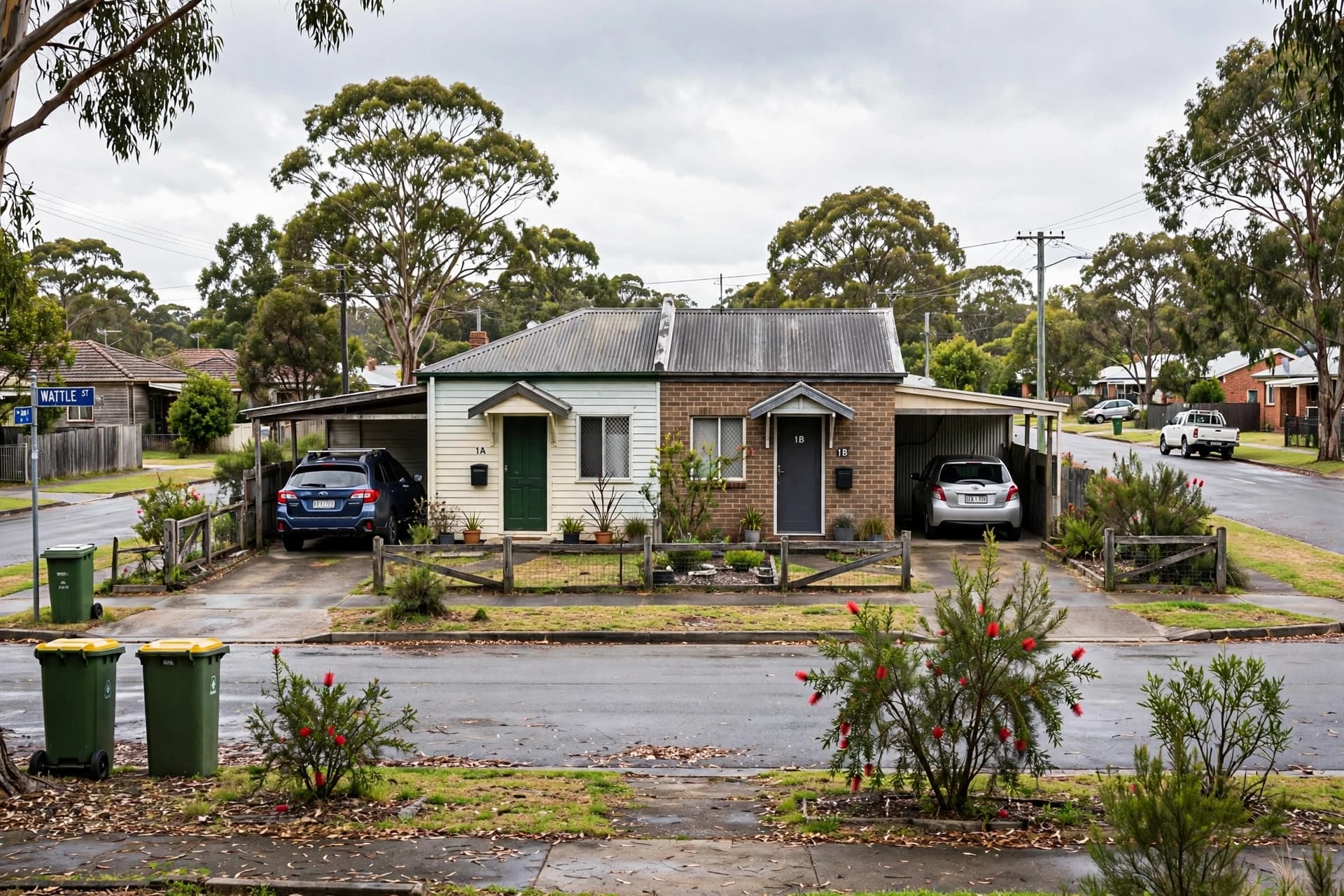
On many streets, the signs of ownership are subtle: a painted door, a tended hedge, a light left on after dusk. Property, for most people, is not an abstraction but a rhythm of daily care. Yet beneath these familiar surfaces lie legal structures that quietly shape who holds control, who bears risk, and who feels secure enough to invest for the long term.
That quiet architecture has come into view again as proposed reforms to the leasehold system move closer to reality. Designed to rebalance power between freeholders and leaseholders, the shake-up promises greater transparency and fairness for homeowners. Still, as policymakers outline change, experts have begun to warn that the scale and uncertainty of reform could unsettle investors who rely on clarity and predictability in property markets.
Leasehold has long been a defining feature of housing in parts of the United Kingdom, particularly in dense urban developments. For supporters of reform, it represents an outdated arrangement—one that can leave residents paying escalating fees for homes they do not fully control. The proposed changes aim to limit such practices, making ownership feel closer to what it appears to be in everyday life.
But investment tends to move cautiously, listening closely for signals of stability. Analysts note that large-scale alterations to property law, especially when timelines and final details remain unresolved, can introduce hesitation. Developers, institutional investors, and lenders often build long-term models around existing frameworks. When those frameworks shift, even with good intentions, capital may pause before deciding where to land.
The concern is not opposition to reform itself, but to its execution. Experts point to the risk that poorly phased or ambiguously defined rules could discourage funding for new housing projects, particularly rental developments that already operate on tight margins. In a market strained by supply shortages, any slowdown in construction or financing could ripple outward, affecting prices, availability, and confidence.
Supporters of the changes argue that fairness and investment need not be opposing forces. They suggest that clearer rights for residents could, over time, create healthier and more sustainable markets. Yet the transition period—the space between old rules and new certainty—remains delicate. It is there that hesitation often grows.
As discussions continue, the debate settles into a familiar tension between protection and participation. Reform seeks to correct long-standing imbalances, while investment seeks reassurance that the ground beneath it will remain steady. The challenge lies in aligning the two, so that homes remain not only fairer places to live, but reliable places in which to build the future.
AI Image Disclaimer Visuals are AI-generated and serve as conceptual representations.
Sources Reuters Financial Times Property Industry Analysts UK Housing Experts Real Estate Research Firms
Published by Banx Network. This article is part of the Banx decentralized media programme, powered by the BXE token on the XRP Ledger.