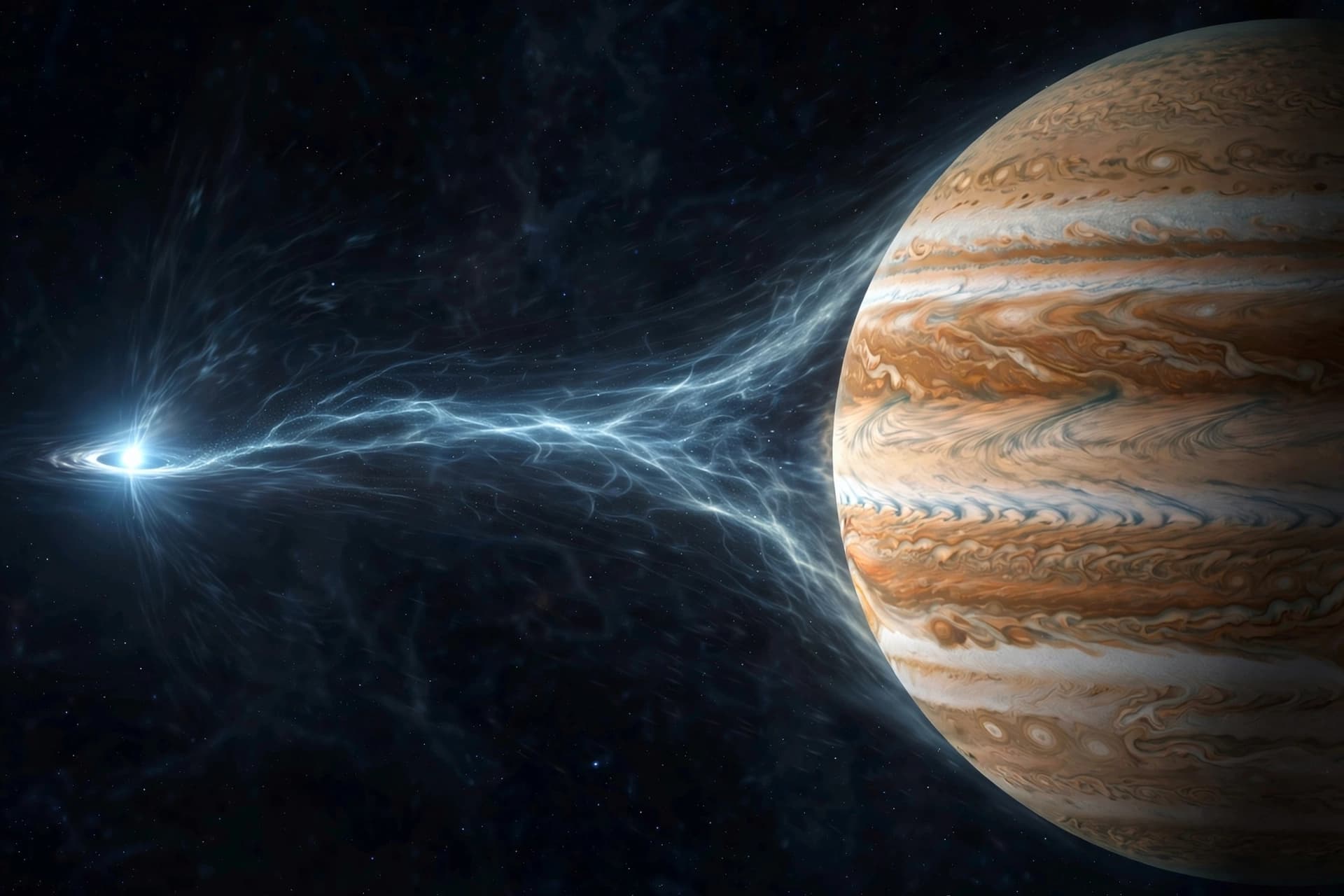
On the night of April 13, 2029, the sky will hold a rare and breathtaking spectacle. Apophis, a massive asteroid roughly 375 meters wide, will sweep past Earth at a distance of just 32,000 kilometers—closer than many of our communications satellites. For the first time in recorded history, an object of this size will be visible to the naked eye across much of the globe. New calculations suggest that up to 90% of humanity may have the chance to witness this celestial visitor streaking across the heavens.
Apophis was discovered in 2004 and initially caused concern due to early predictions of a potential impact. However, subsequent observations refined its orbit, ruling out any collision risk for at least the next century. Instead of a threat, it has become an opportunity—a natural laboratory for studying near-Earth objects. Its close approach will allow astronomers to gather unprecedented data on its composition, shape, and rotation, enhancing our understanding of asteroid dynamics.
The visibility of Apophis will depend on location and weather conditions. Those in Europe, Africa, and western Asia will have the best view, as the asteroid will pass overhead during nighttime hours. It will appear as a bright, fast-moving point of light, comparable in brightness to the dimmest stars visible from urban areas. For many, it will be a fleeting moment of wonder, a reminder of the dynamic nature of our solar system.
Scientists are preparing for the event with a fleet of telescopes and radar systems. By tracking Apophis as it passes, they hope to detect subtle changes in its trajectory caused by Earth’s gravity. These gravitational keyholes could influence its future orbits, making precise measurements crucial for long-term planetary defense strategies. The data collected will help refine models used to predict the paths of other potentially hazardous asteroids.
For the general public, the event offers a unique educational opportunity. Schools and astronomy clubs are planning viewing parties, encouraging people to look up and connect with the cosmos. It is a chance to demystify asteroids, transforming them from objects of fear into subjects of curiosity. Sharing this experience can foster a global sense of unity, as people around the world watch the same sky.
The proximity of Apophis also raises questions about space safety. As we launch more satellites and plan for lunar missions, the density of objects in near-Earth space is increasing. Understanding how large asteroids interact with our planet’s gravitational field is essential for navigating this crowded environment. Apophis serves as a test case for our ability to monitor and respond to nearby celestial bodies.
Looking beyond 2029, Apophis will return in 2036 and 2068, though at much greater distances. Each pass offers new chances for study, but the 2029 encounter remains the most significant in our lifetime. It is a milestone in astronomical observation, marking a transition from theoretical prediction to direct visual confirmation.
As the date approaches, anticipation builds. Whether you are an amateur astronomer or a casual observer, the passage of Apophis is an event not to be missed. It invites us to pause, look up, and appreciate the intricate dance of planets and rocks that defines our place in the universe. On that April night, the sky will belong to everyone.
AI Image Disclaimer: Images accompanying this report are AI-generated artistic interpretations of asteroid trajectories and night skies, intended to visualize the scale and visibility of Apophis without depicting real-time proprietary tracking data.
Sources: NASA CNEOS, European Space Agency (ESA), Space.com, Live Science
Published by Banx Network. This article is part of the Banx decentralized media programme, powered by the BXE token on the XRP Ledger.