Key Highlights
- Oil prices fell to a two-month low following the midterm elections.
- The election results signal continued political gridlock in Washington.
- Global demand for oil has softened amid economic slowdowns.
The recent midterm elections have brought a significant shift in the political landscape, leading to a notable decline in oil prices. Following the election results, oil prices dropped to a two-month low, as traders began to assess the implications of the outcomes. This decline, while modest, reflects the market's response to the potential direction of energy policy and economic growth in the United States.
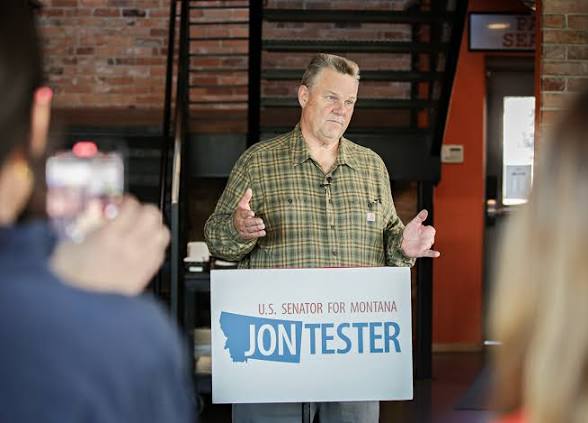
The election results have resulted in one party controlling Congress while the other retains the presidency. This division has led to interpretations among market participants that political gridlock may persist, which can have mixed implications for the oil industry. On one hand, the lack of decisive legislative action may prevent the introduction of new regulations or taxes that could impact oil production. On the other hand, it also means that significant subsidies or approvals for new projects may be unlikely, leading to a status quo that does not strongly favor either bullish or bearish sentiments for oil prices.
In addition to the political context, broader economic factors are also influencing oil prices. Global demand has been weaker than anticipated, particularly as economic growth in major markets such as China and Europe has slowed. Meanwhile, supply levels have remained relatively stable, with OPEC and its allies maintaining production cuts while U.S. shale output continues to increase. This combination of soft demand and stable supply has created a market environment that is well-supplied and sensitive to any signs of economic weakness.
For consumers, the recent drop in oil prices is a welcome development, as gasoline prices have also decreased, providing some relief at the pump as the holiday season approaches. However, for the energy industry, this decline serves as a reminder that the high-price boom years may not return in the near future. Companies in the sector will need to focus on efficiency and cost control to navigate this challenging environment.
Looking ahead, the future trajectory of oil prices will depend on various factors, including the strength of the global economy, decisions made by OPEC and its allies, and the policies enacted by the incoming Congress. The market's initial reaction to the election results offers a snapshot of current sentiments but is not necessarily indicative of future trends. As new information emerges, oil prices are likely to continue fluctuating. For now, the two-month low serves as a signal that the market has found some clarity in a previously uncertain political landscape, with that clarity carrying its own implications for pricing.
AI Image Disclaimer: The visuals in this article are generated using AI tools and are illustrative only; they do not depict the actual election, the oil market, or the specific price movements described.
Published by Banx Network. This article is part of the Banx decentralized media programme, powered by the BXE token on the XRP Ledger.