Key Highlights
- Allegations:A Mexican judge is accused of accepting a $2 million bribe.
- Connection:The bribe is linked to Ryan Wedding, a fugitive drug lord.
- Extradition:U.S. authorities seek the extradition of both the judge and the trafficker.
The recent arrest of a Mexican judge has unveiled a complex web of corruption tied to a notorious drug trafficking case involving Ryan Wedding, a former Olympic snowboarder turned fugitive. The judge, whose identity remains undisclosed, is accused of accepting a staggering $2 million bribe to facilitate the release of an alleged drug trafficker connected to Wedding's criminal organization. This case, outlined in a U.S. indictment unsealed this week, underscores the pervasive influence of drug cartels and the corruption that enables their operations.
According to the indictment, the judge was bribed to issue a ruling that allowed the trafficker, who was in custody in Mexico, to be released. This trafficker is believed to be a significant player in Wedding's network, which has been implicated in transporting large quantities of cocaine from Colombia to both the United States and Canada. The implications of this ruling are severe, as it not only jeopardizes ongoing investigations but also highlights the vulnerabilities within the Mexican judicial system.
Ryan Wedding, who represented Canada in the 2002 Winter Olympics, has since become one of the FBI's most wanted fugitives. His organization is accused of employing violence and bribery to maintain its drug trafficking operations across North America. Following his arrest in Mexico City last year, Wedding was extradited to the U.S., where he awaits trial. The allegations against the judge reveal the extent to which Wedding's influence has permeated the judicial system, raising concerns about the integrity of legal proceedings in Mexico.
The U.S. indictment does not name the judge but describes him as a federal judge assigned to the case of the trafficker. Prosecutors allege that the bribe was orchestrated through an intermediary, with cash delivered directly to the judge. While the Mexican government has yet to comment on these allegations, the U.S. has formally requested the judge's extradition, a process that could be lengthy and complicated.
For the families affected by Wedding's drug trafficking activities, the allegations of judicial corruption serve as a painful reminder of the challenges they face in seeking justice. The case also poses a significant test for the Mexican government, which must confront the entrenched corruption within its judiciary. This situation highlights the broader implications of drug trafficking, which is not merely a law enforcement issue but a systemic problem that requires comprehensive solutions across borders.
As the case unfolds, it will be crucial to monitor the responses from both the U.S. and Mexican authorities. The outcome may set important precedents for how judicial corruption is addressed in the context of international drug trafficking, emphasizing the need for cooperation in combating this transnational issue.
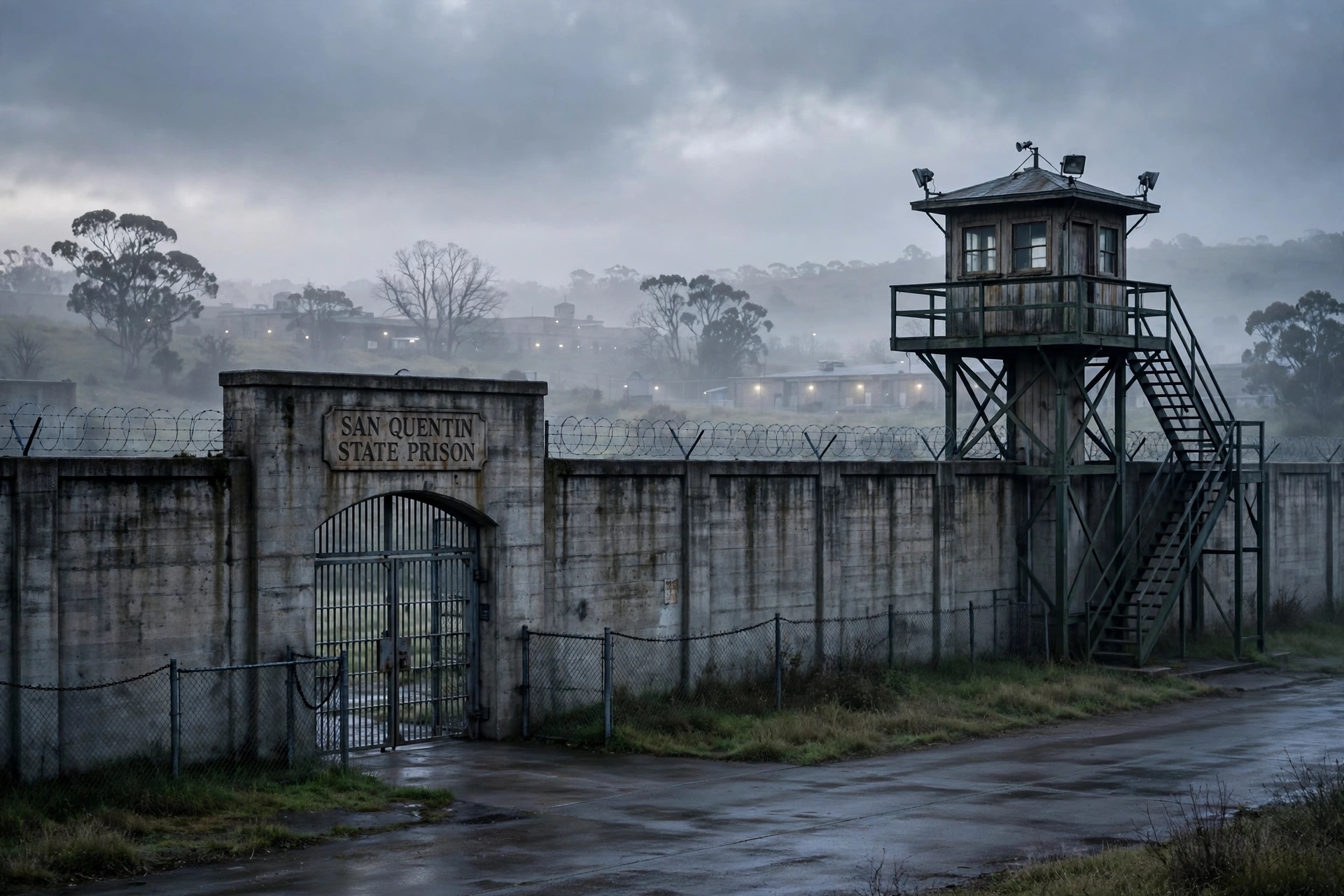
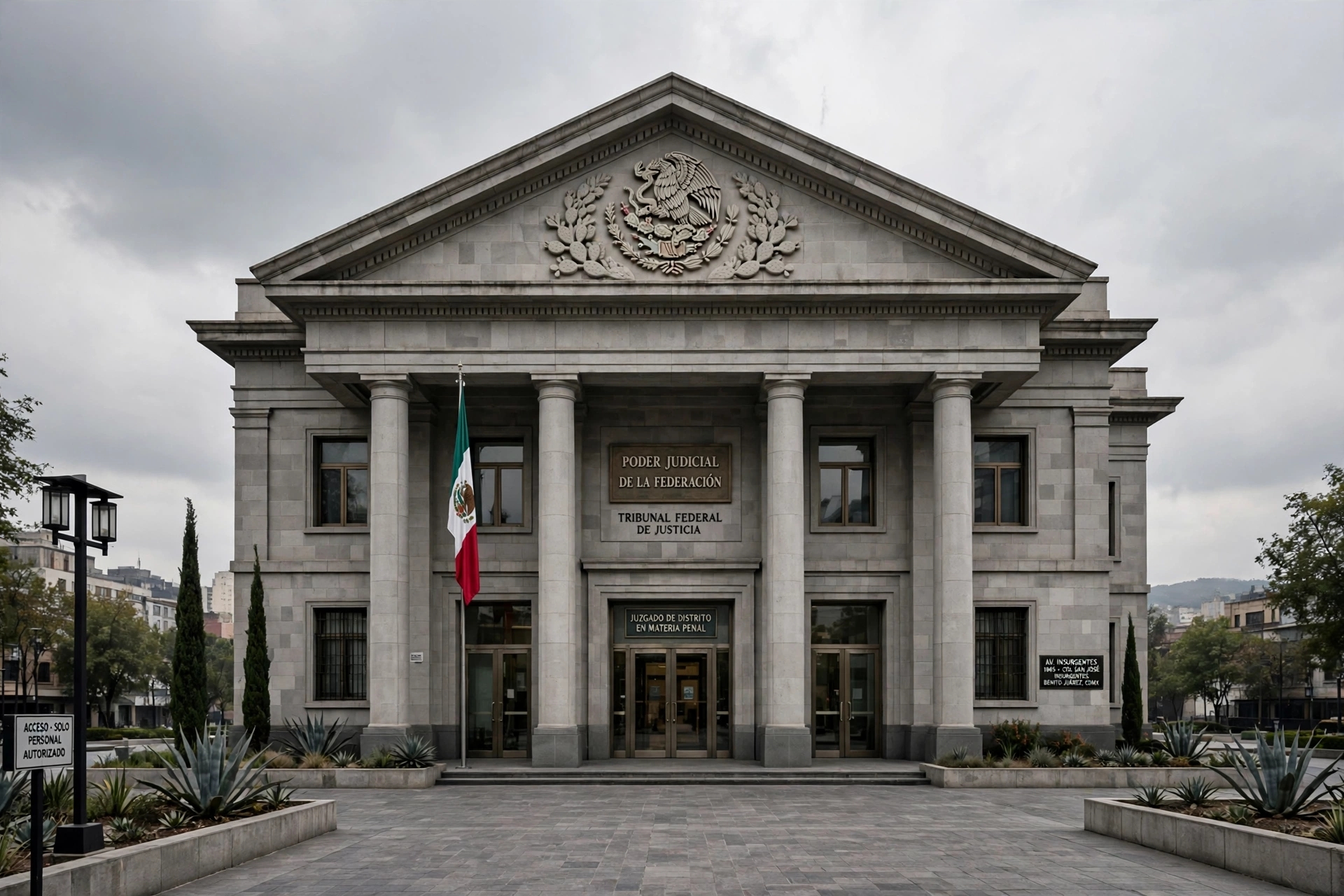
AI Image Disclaimer: The images in this article are generated by artificial intelligence and are for illustrative purposes only; they do not depict the actual judge, the trafficker, or the individuals involved in the case.
Published by Banx Network. This article is part of the Banx decentralized media programme, powered by the BXE token on the XRP Ledger.