
Key Highlights
- Initiative:The Department of Conservation (DOC) launches a pilot program with One NZ.
- Technology:Over 50 satellite-enabled sensors installed in remote areas.
- Impact:Expected savings of over $1 million in operational costs and reduced carbon emissions.
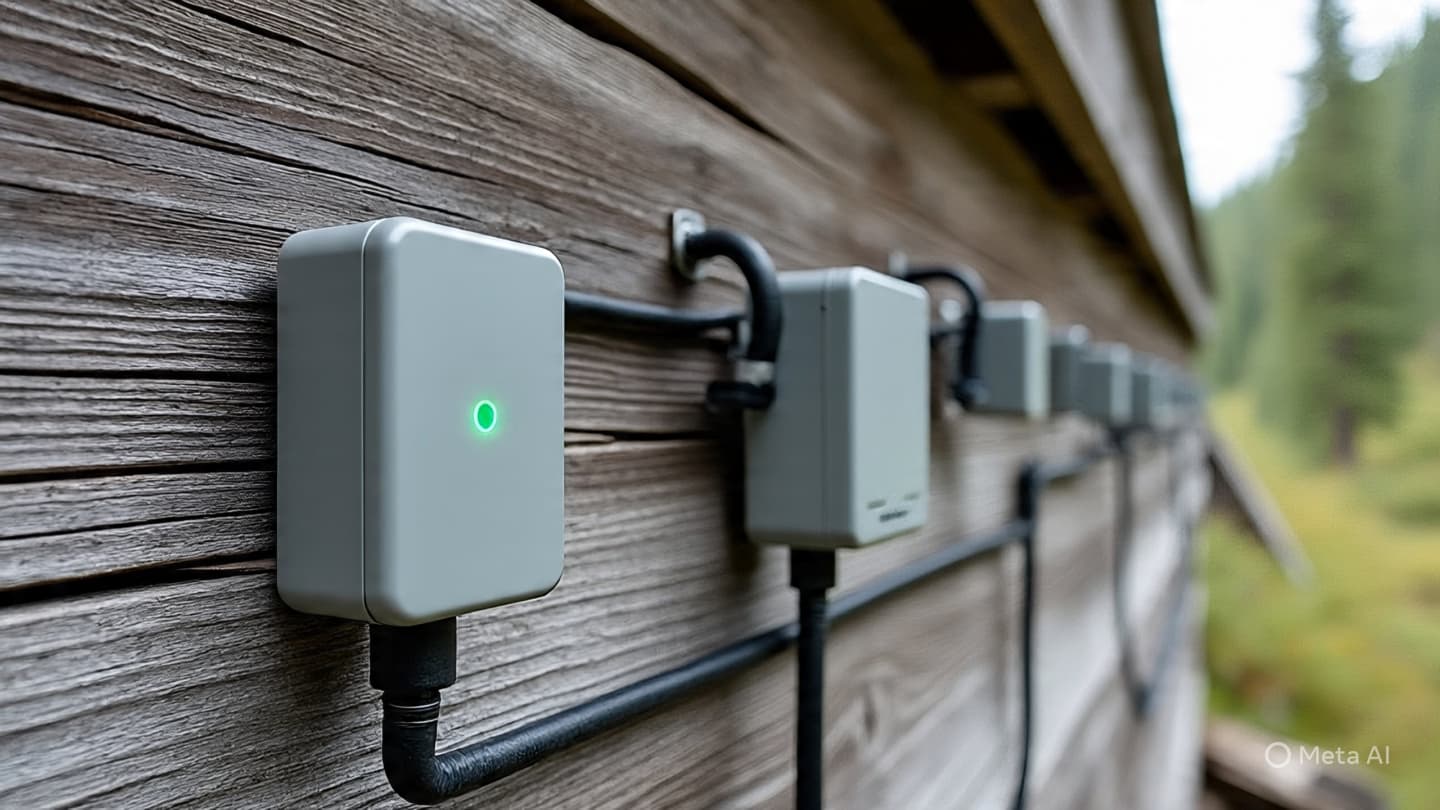
The Department of Conservation (DOC) in New Zealand has embarked on an innovative journey to enhance the stewardship of its natural heritage through a new pilot program called "Connected Conservation." In collaboration with One NZ, the DOC has installed over 50 satellite-enabled sensors across some of the most remote backcountry sites on the South Island. This initiative marks a significant shift from traditional conservation methods to a more data-driven approach, allowing for real-time monitoring of various environmental factors.
These sensors, strategically placed in huts, toilets, and wastewater systems, serve as a digital nervous system for the wilderness. They provide crucial data on visitor numbers, facility usage, and the status of wildlife traps. This technological integration not only streamlines the management of New Zealand's national parks but also allows rangers to focus their efforts on critical tasks such as species recovery and predator control, ultimately enhancing the effectiveness of conservation efforts.
The development of the Connected Conservation program is a collaborative effort that brings together engineers and conservationists who share a deep respect for the land. As they traverse the stunning landscapes of Fiordland and Mt Aspiring National Parks, they ensure that the technology complements the natural environment rather than disrupts it. This approach embodies the principles of biomimicry, where the satellite network mimics the interconnectedness of the ecosystem itself.
One of the most compelling aspects of this initiative is its potential to reduce operational costs significantly. Officials estimate that the program could save the DOC over $1 million in the next six years by minimizing the need for helicopter flights and vehicle travel. This not only translates to financial savings but also contributes to a substantial reduction in carbon emissions, aligning with New Zealand's commitment to environmental sustainability.
As the sun sets over the majestic peaks of the Tongariro National Park, the sensors continue their silent work, transmitting valuable data back to the rangers. This constant flow of information creates a dialogue between the technology and the landscape, allowing for a deeper understanding of the health and needs of the environment. The integration of advanced technology into conservation practices represents a new dawn for New Zealand, where the preservation of its wild places is supported by innovative solutions.
The Connected Conservation pilot program is a testament to New Zealand's dedication to protecting its unique ecosystems while embracing the benefits of modern technology. As the DOC and One NZ move forward with this initiative, they set a precedent for how technology can be harnessed to safeguard the natural world for future generations.
Published by Banx Network. This article is part of the Banx decentralized media programme, powered by the BXE token on the XRP Ledger.



