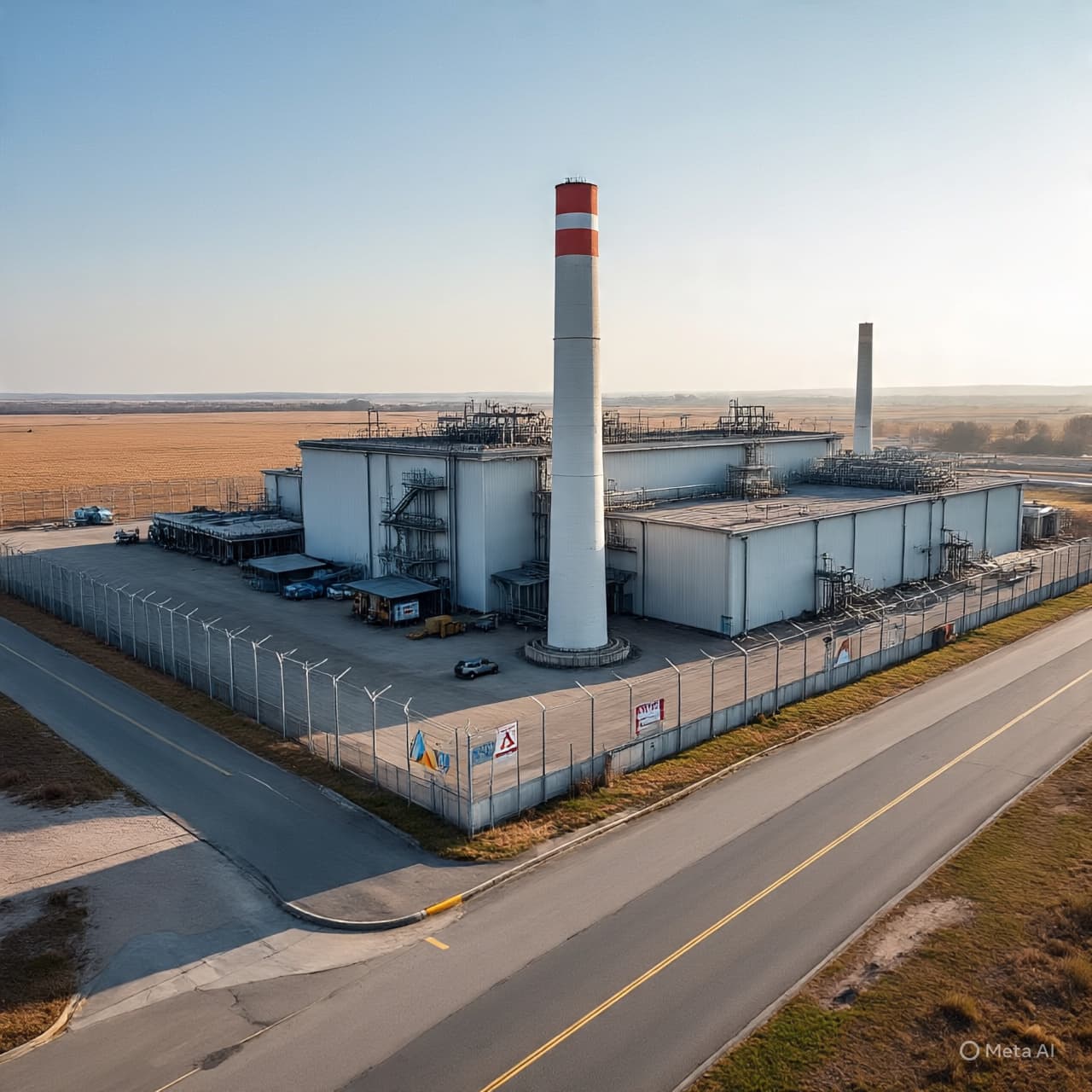
In the hushed corridors of institutional authority, there are moments when numbers seem to speak louder than words — when figures that ought to reflect value and prudence instead echo with questions of fairness. In Argentina this week, such a moment has unfolded, sparking conversation across workplaces, political offices, and civic groups. What began in the nuclear sector has broadened into what many are calling “the overpricing scandal” — a series of allegations that public funds were used to pay far more than market value for goods and services, provoking scrutiny, internal dissent, and calls for accountability.
At the centre of the controversy is Nucleoeléctrica Argentina S.A., the state‑owned company that runs the country’s nuclear facilities, including Atucha I, Atucha II, and Embalse. Union leaders and internal critics have raised concerns that a range of contracts — from cleaning services to software procurement — were agreed at prices well above normal market rates, prompting formal complaints and headlines that suggest a broader discussion about how public money is spent.
One of the most striking allegations involves a software purchase that, according to union analysis, cost about $7 million despite having a market alternative that could have cost around $600,000 — suggesting a purported price increase of more than 1,000 %. At the same time, contracts for basic services such as cleaning at the nuclear sites are said to have been awarded at roughly 140 % above what might have been expected, adding weight to concerns of irregular bidding or weak oversight.
Critics — including members of the Asociación Trabajadores del Estado (ATE) — have called these situations not just inefficiencies but “acts of corruption” that risk wasting taxpayer funds and undermining confidence in public institutions. The denouncements have spurred internal investigations, led some managers to be relieved of certain responsibilities, and placed the company’s leadership under intensified examination.
For many observers, the evolving story goes beyond any single contract. Instead, it points to broader themes that emerge when large sums of public money are involved: the importance of competitive bidding, transparent processes, and clear documentation that ensures value for the public purse. When prices balloon far beyond market norms — whether in cleaning services, software, or any other procurement — it becomes harder for citizens to trust that resources are being used prudently.
At the same time, defenders of the company’s procurement practices argue that technical requirements, specialized vendor availability, and unique operational needs can affect costs in complex sectors such as nuclear energy. These nuances are part of the ongoing conversation, as auditors, union representatives, regulators, and legal authorities continue to review documents, bid details, and internal correspondence that could help clarify what happened and why.
In the days ahead, parliamentary committees, judicial bodies, and oversight agencies may also take interest in the case, exploring whether norms were followed and whether changes to procurement rules are needed to prevent similar controversies in the future. For citizens watching closely, the real significance of the scandal lies not only in the numbers on a contract but in the expectation that public resources be managed transparently and efficiently — wherever they are invested.
AI Image Disclaimer Visuals are created with AI tools and are not real photographs, intended for representation and concept purposes.
Sources Página/12 Filo.news Infocielo El Cronista Aries Online
Published by Banx Network. This article is part of the Banx decentralized media programme, powered by the BXE token on the XRP Ledger.