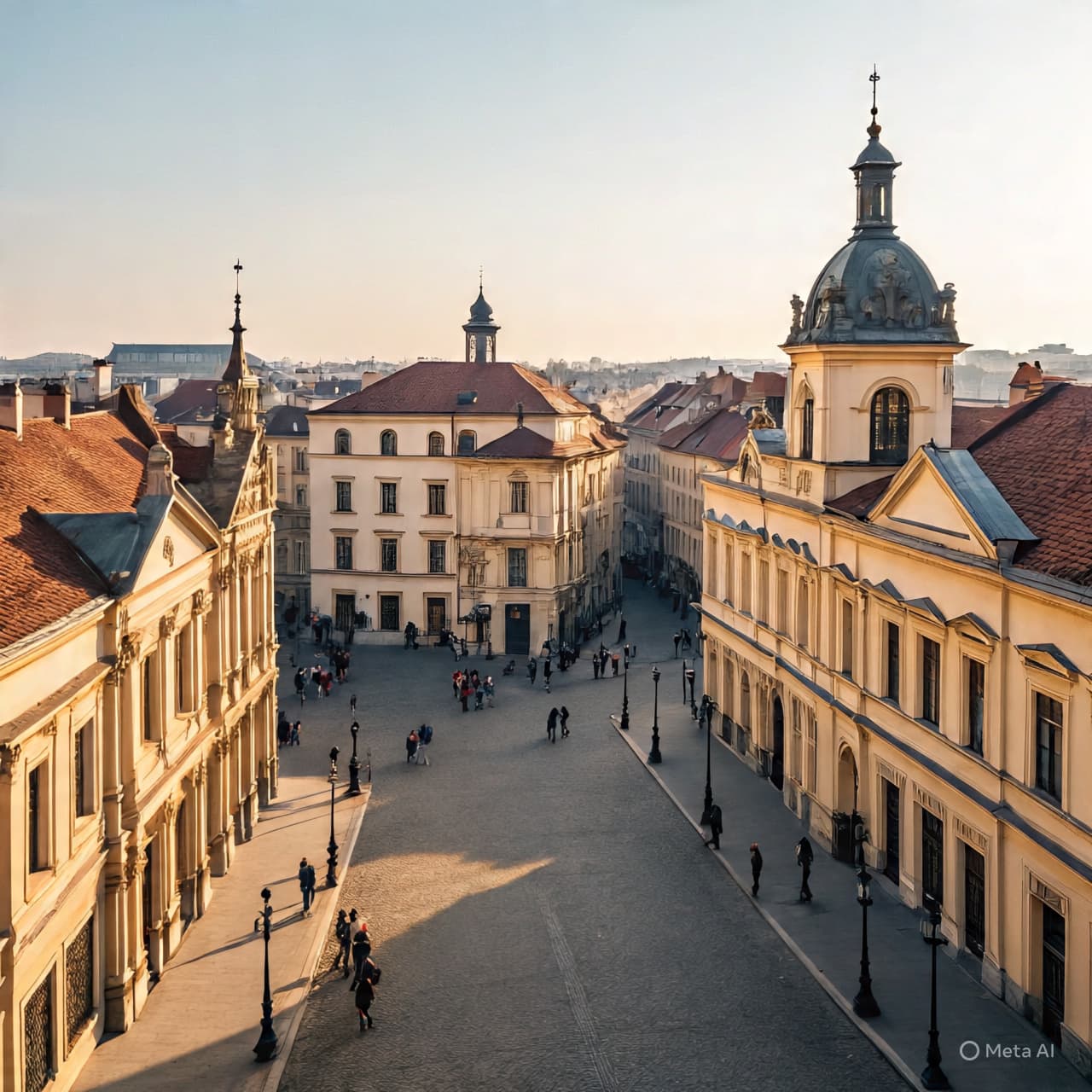
There are moments when a city’s heartbeat seems woven into the slow rhythm of its streets — the gentle echo of footsteps on cobblestones, the light falling through narrow windows of centuries‑old churches, the distant call of bells at dusk. In Lviv, a city where red roofs and Baroque facades trace lines of history and grace, the cadence of everyday life has been shaped by the centuries that stood between east and west. Yet even here, in the western reaches of this country’s enduring spirit, the hum of recent days has been interrupted by an unexpected note.
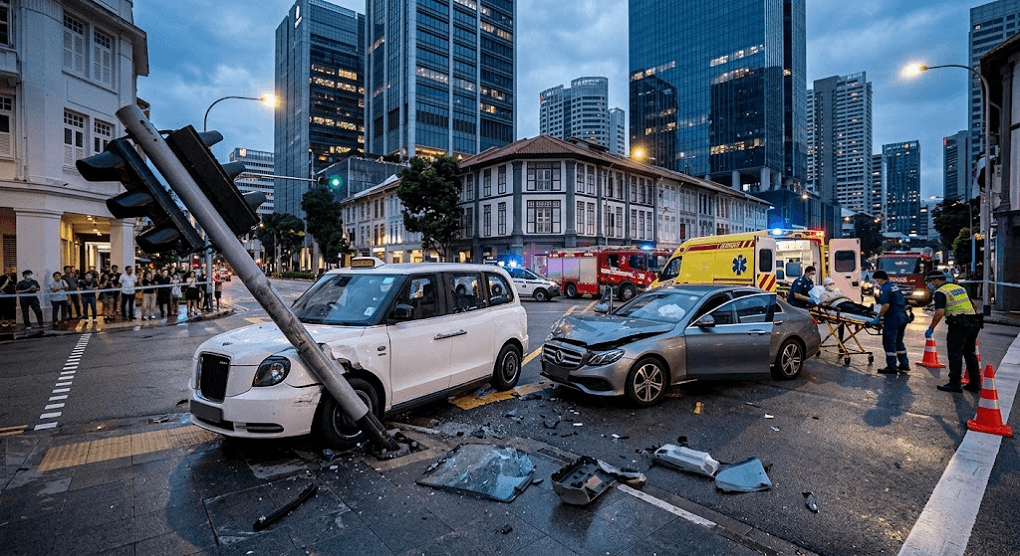
On a clear Tuesday afternoon, the sky above the historic center of Lviv — a place where generations have walked beneath sculpted stone and frescoed ceilings — was crossed by the flight of drones. In a rare daylight strike, several of these unmanned craft reached deep into the heart of this old city, leaving damage to buildings that form part of Lviv’s UNESCO World Heritage site, including the 17th‑century Bernardine monastery and adjacent historic structures. Dozens of residents were reported injured as emergency responders wove through streets once filled with laughter and slow‑paced commerce, tending to wounded neighbors and assessing the patterns of cracked stone and shattered glass that now mark familiar doorways.
Here in Lviv’s central squares, history isn’t a distant artifact but a living presence — in the interplay of light on carved facades, the tender lines of fountains, and the migration of shadows as church bells signal mid‑day prayers. The UNESCO‑listed ensemble of the historic centre stands among the most treasured cultural landscapes in Ukraine, its cobblestones and courtyards a heritage not only to this nation but to the wider tapestry of European art and architecture. For many who carry coffee cups through Market Square or pause by a bench near St. George’s Cathedral, these are places shaped by countless quiet mornings and contemplative evenings.
In the wake of the attacks, there has been a distinct hush, as if the city itself pauses to reconcile the familiarity of its heritage with the stark imprint of a strike that seemed to traverse that space. Artists whose studios line the labyrinthine streets have spoken softly of the shock — not only at the damage, but at how swiftly the interplay of past and present can shift from preservation to repair. Local volunteers, familiar with the dance of restoration and protection that has accompanied the conflict, have gathered with buckets and brushes, trying to separate broken masonry from fragments of stained glass that once reflected sunlit afternoons.
Beyond the visible scars, there is a dialogue unfolding about what it means to shelter history amid uncertainty. UNESCO itself has voiced alarm, stressing deep concern over attacks on cultural treasures and urging renewed attention to the importance of safeguarding such places. In quiet meetings at heritage offices and behind the screens of digital gatherings, experts debate not only restoration priorities but the broader resonance of these historic walls — how their endurance speaks to both memory and hope.
As dusk settles over Lviv’s steep rooftops and soft lamplight begins to glow in café windows, the city’s heartbeat returns to its evening rhythm. Children play near fountains that once echoed with laughter just hours before, and dinner conversations drift into the twilight. Yet beneath this return to routine lies a shared awareness, a reflection on how the present moment — marked by both resilience and vulnerability — has been etched into the living stones of a timeless city. In every careful sweep of a brush and every whispered recollection of what once was, Lviv’s people honor not just the monuments but the quiet pulse of life that carries forward through time.
AI Image Disclaimer Visuals are AI‑generated and serve as conceptual representations.
Sources Reuters The Guardian UNESCO official statements The Art Newspaper Georgia Today (Ukraine cultural heritage report)
Published by Banx Network. This article is part of the Banx decentralized media programme, powered by the BXE token on the XRP Ledger.