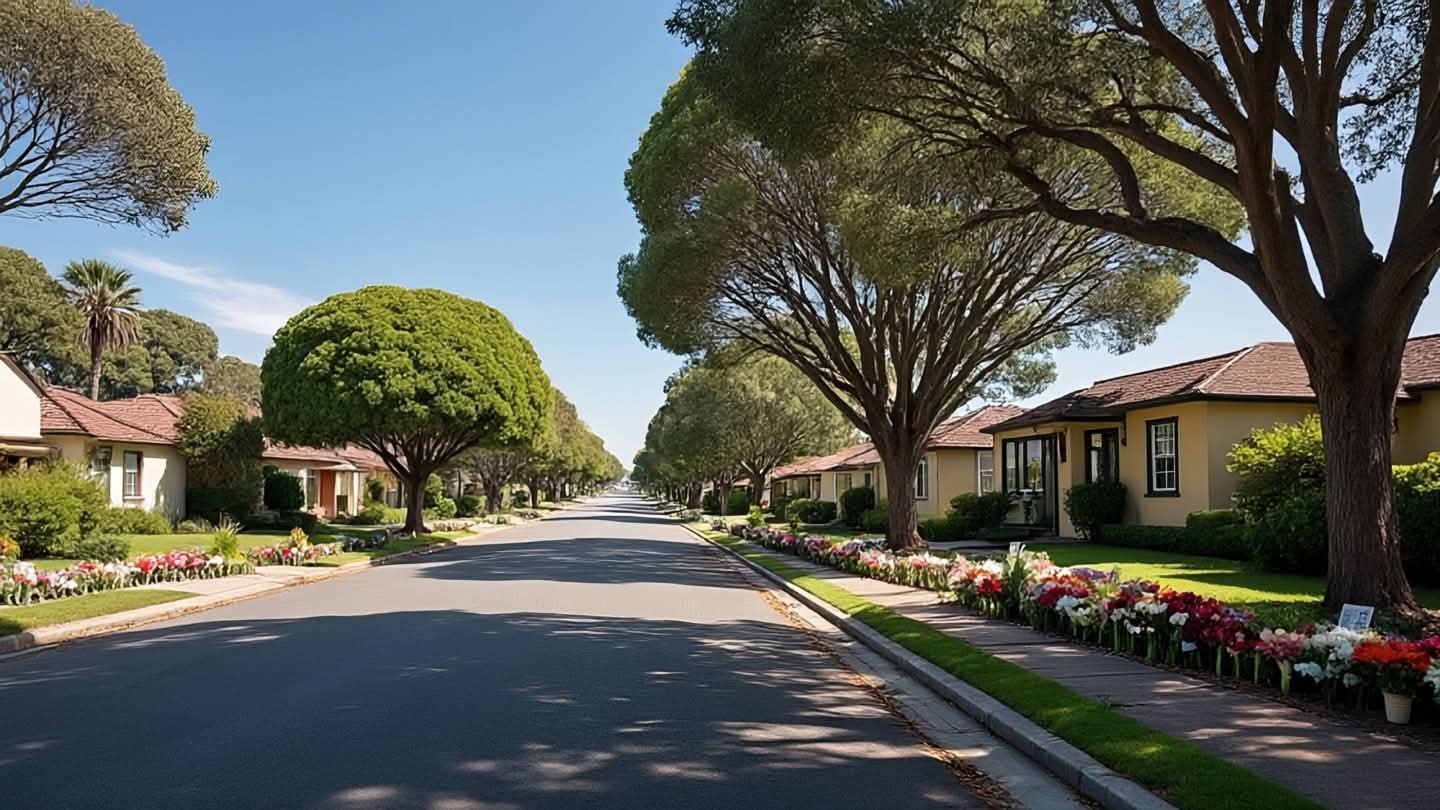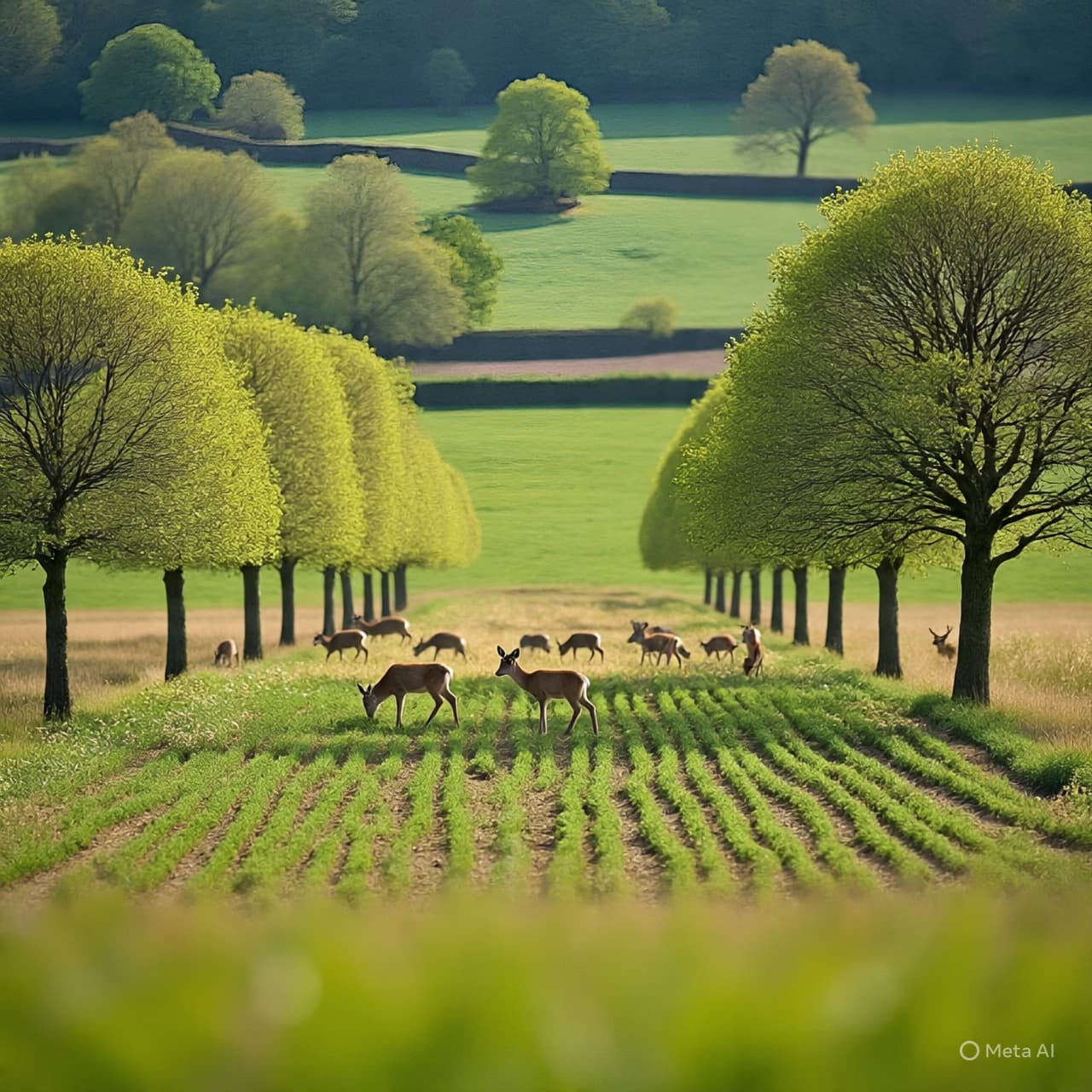
In the quiet folds of Britain’s green countryside, a gentle presence has flourished into something far more untamed than many anticipated. Deer—once symbols of serene woodland life—now move through fields, forests, and even suburban spaces in numbers unseen in a millennium. What was once a backdrop to the rural idyll has, in recent decades, become an expensive and complex problem that reaches deep into agriculture, ecology, and public safety.
The current deer population in Britain is estimated at close to two million animals, a dramatic rise from roughly 450,000 in the 1970s. This extraordinary growth reflects a landscape where mild winters, abundant habitat, and a lack of natural predators have allowed deer to multiply largely unchecked. The result is a series of pressures that ripple outward—affecting farmers struggling with crop losses, land managers battling woodland damage, and motorists facing increasingly common collisions.
For farmers like those in Suffolk who cultivate thousands of acres of arable land, deer are no passing nuisance but a source of real financial strain. Some landowners report losses of tens of thousands of pounds a year, with high-value crops sometimes suffering damage exceeding £1 million in a single season—a figure that adds up quickly when multiplied across the countryside.
The effects extend into Britain’s woodlands as well. Deer voraciously browse young saplings and strip bark from trees, impairing forest regeneration and reducing the value of future timber crops. In areas with heavy deer pressure, natural undergrowth struggles to survive, diminishing habitat quality for many other species and complicating national efforts to expand woodland cover as part of environmental and climate goals.
Public safety concerns further underscore the challenge. With tens of thousands of deer–vehicle collisions reported annually, the human and economic toll is significant. Recent estimates suggest up to 74,000 collisions each year, resulting in hundreds of injuries, occasional fatalities, and millions of pounds in vehicle damage—figures that include both personal losses and broader societal costs.
The root of this situation lies partly in Britain’s legal and ecological history. Unlike parts of the world where large carnivores keep herbivore numbers in check, Britain’s apex predators—wolves, lynx, and bears—have long been absent, hunted to extinction centuries ago. Without these natural checks, deer populations have continued to expand, especially where landowners manage hunting activity unevenly and differing local policies produce a patchwork of control efforts.
Government and conservation agencies increasingly recognize the need for coordinated action. A recent Defra consultation on deer management strategy highlighted the substantial costs deer cause to woodlands, agriculture, and biodiversity, and underscored the need for sustainable approaches to bring populations to levels that the environment can support without harm.
Yet how to achieve that balance remains controversial. Traditional culling is by far the most common management tool, but it faces ethical objections and practical challenges in urban and peri-urban areas. Some animal welfare advocates promote non-lethal alternatives such as contraceptive darting or improved fencing, though these measures can be costly, labor-intensive, and difficult to scale across millions of acres.
Amid these debates, some voices even propose the reintroduction of natural predators—a strategy with deep historical roots but fraught with social and practical challenges in a densely inhabited island nation. Whatever path is chosen, the reality remains that Britain’s deer population has grown beyond what many landscapes and communities can comfortably accommodate.
In fields and forests alike, the consequences of this growth are felt—not as a distant environmental abstraction but in the damage tally, the disrupted ecosystems, and the conversations now unfolding across farms, parliaments, and neighbourhoods. The deer that once existed in balance with the land are now part of a story about how nature and human societies adapt to each other in an ever-changing world.
AI Image Disclaimer Visuals are created with AI tools and are not real photographs.
Source Check AOL / Yahoo News Singapore – explaining population rise and economic damage. Forestry Commission and DEFRA deer management consultation documents. RSPCA / wildlife traffic accident research (vehicle collision costs). Country File / UK rural media on deer impacts and culling practices. Countryside Alliance commentary on invasive and expensive species impacts (context).
Published by Banx Network. This article is part of the Banx decentralized media programme, powered by the BXE token on the XRP Ledger.