
Key Highlights
- Incident Duration:Nine days of untreated sewage discharged into Fish River.
- Financial Penalty:Oberon Council to pay $75,000 for environmental remediation.
- Community Impact:Local residents remain unaware of the spill's extent and implications.
In September 2025, a significant environmental incident unfolded in the Oberon region of New South Wales, where a malfunctioning pump station led to the discharge of untreated sewage into the Fish River for nine consecutive days. This event raised serious concerns about the infrastructure designed to protect the community, which instead became a source of harm. The sewage, which included effluent, toilet paper, and baby wipes, flowed downstream, impacting properties and towns along the river.
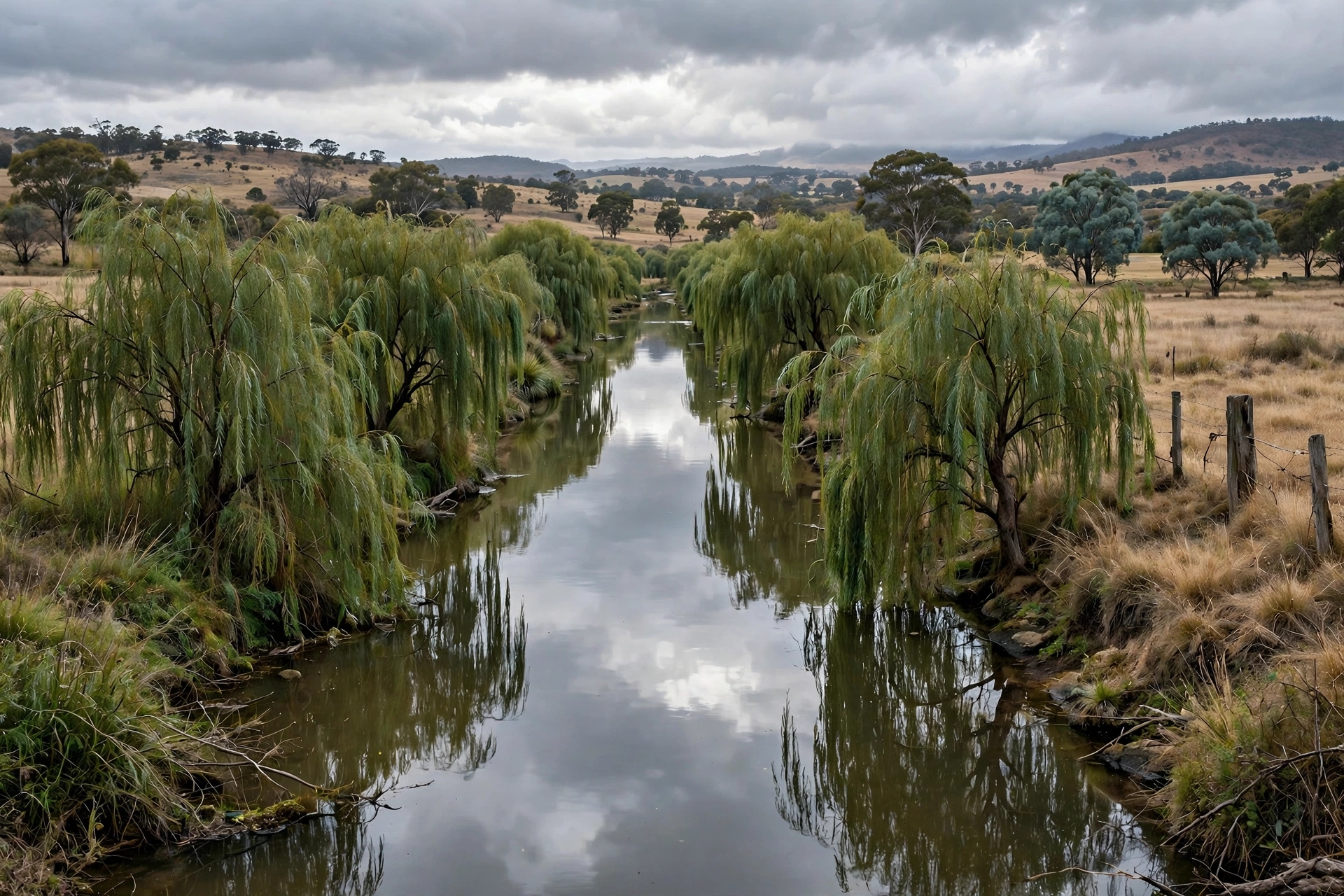
The New South Wales Environment Protection Authority (EPA) announced this week that the Oberon Council has entered into an enforceable undertaking, which mandates a payment of $75,000. Of this amount, $60,000 is earmarked for a three-year project aimed at removing invasive willow trees along the riverbank and replanting native species to enhance the health of the stream. The remaining $15,000 will cover the costs incurred during the EPA's investigation into the incident. Mayor Andrew McKibbon publicly acknowledged the situation, labeling it an "unacceptable event" caused by a fault in one of the council's pumps.
The EPA's assessment of the sewage discharge revealed alarming levels of E. coli and fecal bacteria in the river. Observations noted the presence of large items such as toilet paper and baby wipes, indicating the severity of the contamination. Scott Kidd, the EPA's operations director, expressed concern that native wildlife likely suffered due to the prolonged exposure to toxic sewage, although quantifying the exact impact remains challenging. The Fish River serves as a water source for approximately 230 properties in the Oberon and Lithgow areas and eventually flows into the Macquarie River, a popular destination for fishing and swimming. Fortunately, the council has stated that there is no evidence to suggest that drinking water was affected by the incident.
A critical aspect of this case is the issue of notification. The EPA was not informed of the sewage spill until September 15, six days after the discharge began. State law mandates that pollution incidents posing a threat of material harm must be reported immediately upon awareness by the responsible party. However, the council has not disclosed when its staff first became aware of the situation. Wayne Cole, chair of a local volunteer group dedicated to restocking the river with native fish, voiced his concerns to the ABC, stating that many residents downstream remained unaware of the sewage contamination. He criticized the penalty imposed on the council as merely a "slap on the wrist."
The council's pollution response plan, which was reviewed in March 2024, highlights significant gaps in monitoring. While pumping stations 1 and 2 are equipped with alarms for power loss, mechanical failure, and high water levels, stations 3 and 4 lack telemetry. This means that a fault in those stations would only be indicated by a light on a switchboard, potentially delaying response times. The council has not specified which station was responsible for the failure. In response to the incident, the council is currently constructing an $18.6 million sewage treatment plant, expected to be operational next year, to replace a facility that has been in use for over 65 years.
The irony of the council's remedial actions is not lost on observers. The $60,000 allocated for willow removal and native replanting is intended to improve the health of the Fish River, as Mayor McKibbon noted. However, while restoration efforts are essential, they do not equate to prevention. The new treatment plant aims to address the aging infrastructure that allowed the spill to occur, and it is hoped that the monitoring deficiencies identified in the response plan will be rectified. Nevertheless, the nine days of sewage discharge and the six days before the EPA was notified remain a troubling reality for the affected communities.
For residents along the Fish River, the settlement represents a regulatory conclusion but leaves lingering questions about the timeline of awareness regarding the spill. The EPA's enforceable undertaking serves as a formal legal instrument, outlining costs, timelines, and obligations. However, it cannot restore the confidence of residents who learned about the contamination long after it had already flowed past their homes.
AI Image Disclaimer: The visuals in this article were generated using artificial intelligence and are illustrative only; they do not depict the actual river or infrastructure involved.
Published by Banx Network. This article is part of the Banx decentralized media programme, powered by the BXE token on the XRP Ledger.